
 EN
 English
 Español
 中文
Heavy-duty bags need to withstand repeated handling, friction, and demanding carrying conditions. Material selection therefore plays an important role in product durability and manufacturing costs. Among the available textile options, 1000D Oxford fabric attracts attention from bag manufacturers looking for a stronger woven construction. However, its heavier structure may also increase finished-product weight, transportation expenses, and sewing requirements.
At Zhenye, we believe the decision should depend on the intended application rather than denier alone. Understanding the relationship between yarn specifications, fabric weight, coating, and mechanical performance helps buyers determine whether 1000D Oxford fabric provides sufficient value for their projects.
1. What Makes 1000D Oxford Fabric Different?
Denier (D) measures the linear mass of yarn. A 1000D specification indicates relatively thick yarn compared with common 300D or 600D constructions. This heavier yarn structure is frequently considered for products that require a substantial fabric body and resistance to demanding handling conditions.
Several characteristics deserve attention:
- Thicker yarn construction: 1000D yarn provides a substantial woven structure suitable for demanding bag applications.
- Fabric stability: Appropriate weaving density helps maintain the material structure during cutting, sewing, and use.
- Surface durability: Suitable yarn and finishing combinations can support resistance to repeated friction.
- Coating compatibility: PU or PVC treatments can provide additional functional properties according to project requirements.
However, 1000D does not represent the complete fabric weight or guarantee a specific strength rating. Density, fiber composition, weave construction, and finishing treatment also influence the final result.
2. Does Higher Fabric Weight Provide Better Durability?
Heavier fabric can offer practical benefits, particularly for bags exposed to frequent loading and surface friction. Nevertheless, additional weight does not automatically translate into proportional improvements in durability.
Buyers should distinguish between three important measurements:
- Denier: Indicates yarn linear density and helps describe the basic material construction.
- GSM: Measures fabric mass per square meter and reflects the combined weight of yarns and finishing treatments.
- Tear and tensile strength: Provide measurable information about resistance to tearing and pulling forces.
For example, a 1000D polyester Oxford construction may have a weight around 280–320 GSM, while PVC-backed versions can reach considerably higher weights depending on coating thickness and fabric density. These differences can influence flexibility, handling, and finished-bag weight.
At Zhenye, we recommend evaluating GSM alongside mechanical test results instead of using denier as the only purchasing criterion.
3. Which Heavy-Duty Bags Benefit from 1000D Construction?
Not every bag requires a heavy-duty textile. The additional weight is more justifiable in products that experience substantial friction, frequent transportation, or demanding working conditions.
- Tool bags: Frequently carry metal tools and equipment, making fabric durability an important consideration.
- Equipment bags: Require a stable material structure to accommodate bulky or heavy contents.
- Travel and luggage products: Exterior panels may experience repeated abrasion during transportation and handling.
- Outdoor storage bags: May require additional protection against friction, moisture, and environmental exposure.
- Industrial carrying bags: Often need stronger construction to support repeated loading and workplace use.
Lightweight promotional bags and compact everyday backpacks may not benefit sufficiently from the additional material weight. A 300D or 600D construction could satisfy their requirements with easier folding and lower material consumption.
4. How Does Coating Affect Weight and Application Performance?
Coating treatment changes more than the surface appearance of Oxford fabric. It can influence water resistance, flexibility, stiffness, and overall fabric weight.
PU Coating
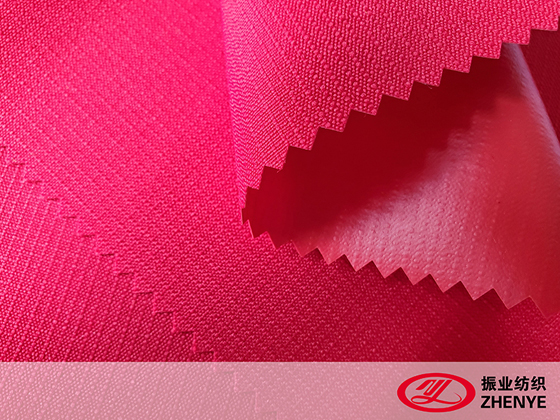
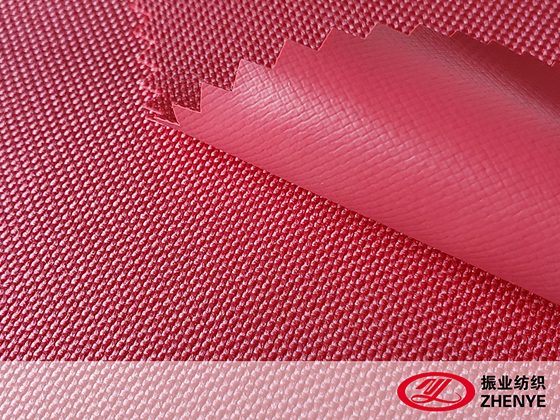
PU-coated 1000D Oxford fabric is suitable for bag applications requiring water resistance alongside a relatively manageable material hand feel. Its final properties depend on coating formulation, application thickness, and base-fabric construction.
PVC Coating
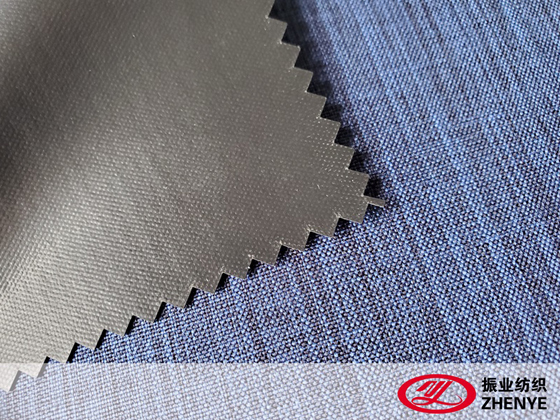
PVC coating generally creates a more substantial protective layer. It may be appropriate for heavy-duty storage bags and outdoor products requiring a thicker, more structured material. However, additional coating weight can make the finished bag less flexible and increase transportation costs.
Buyers should compare coated fabric samples rather than assuming that two materials with identical 1000D yarn specifications will have similar weight and handling characteristics.
5. What Should Buyers Check Before Ordering 1000D Oxford Fabric?
Material specifications should reflect the actual requirements of the finished bag. A detailed purchasing checklist helps avoid paying for unnecessary weight or receiving fabric that does not match the intended application.
- Fiber composition: Confirm whether the base fabric uses polyester or nylon.
- Yarn specification: Verify the warp and weft denier.
- Fabric weight: Establish the target GSM range, including the coating.
- Weaving density: Review warp and weft density for structural consistency.
- Mechanical performance: Request tensile, tear, and abrasion test results relevant to the application.
- Coating requirements: Specify PU or PVC treatment and the required water resistance.
- Processing compatibility: Test the material during cutting, folding, and sewing to check whether its stiffness suits the production process.
Sample approval is particularly valuable for heavy-duty bag projects. Buyers can compare actual fabric weight, surface texture, flexibility, and sewing performance before confirming production specifications.
6. How Can Zhenye Support 1000D Oxford Fabric Sourcing?
At Zhenye, we understand that bag manufacturers need materials that balance durability, product weight, and production requirements. Our approach focuses on understanding the intended application before discussing fabric construction and finishing options.
Customers can share their target GSM, desired coating, fabric width, color requirements, and intended bag application during the inquiry process. These details help establish a clearer material specification and support sample evaluation.
We also encourage buyers to consider the complete finished-product design. Reinforced handles, suitable stitching, protective bottom panels, and appropriate seam construction contribute to the overall durability of heavy-duty bags.
Match 1000D Fabric Weight with Actual Bag Requirements
1000D Oxford fabric can justify its additional weight in heavy-duty bags that require a substantial woven structure and resistance to repeated handling. However, higher denier and GSM should not automatically determine purchasing decisions. Coating type, mechanical performance, finished-product design, and transportation considerations all deserve attention.
At Zhenye, we welcome inquiries from bag manufacturers, wholesalers, and outdoor equipment producers seeking suitable Oxford fabric solutions. Contact our team with your application details and technical specifications to discuss an appropriate material for your next bag production project.