

 EN
EN
 English
 Español
 中文
中文Recycled polyester has become a widely discussed material in the textile industry, especially for bags, outdoor products, sports fabrics, and functional textiles. Many buyers appreciate its resource-saving advantages, but another question often appears during material evaluation: does recycled polyester maintain the same strength as traditional polyester?
The answer depends on recycling technology, yarn production methods, fabric structure, and quality control processes. Recycled polyester, commonly known as rPET, is produced from recovered PET materials that are processed into new fibers. The chemical structure of high-quality recycled polyester is similar to virgin polyester because both are based on polyethylene terephthalate (PET). However, differences may appear during recycling and fiber processing, affecting certain mechanical properties.
A professional recycled polyester fabric manufacturer needs to consider more than the recycled source itself. Fiber quality, spinning technology, weaving density, finishing treatment, and application requirements all influence the final fabric performance.
1. Recycled Polyester Is Not Simply Weaker Polyester
A common misunderstanding is that recycled fibers automatically have lower durability than virgin fibers. The reality is more complicated. During the recycling process, PET materials are cleaned, processed, melted, and regenerated into new fibers. Advanced recycling methods can produce yarns with stable performance suitable for many textile applications.
The molecular structure of quality recycled polyester can be very close to virgin polyester. This means recycled polyester fabrics can provide similar characteristics such as:
- Good tensile performance: Suitable for products requiring reliable pulling strength.
- Dimensional stability: Helps fabrics maintain shape during repeated use.
- Abrasion resistance: Supports applications involving daily friction.
However, recycled polyester quality varies depending on the condition of recycled materials and manufacturing processes. Poorly controlled recycling may create inconsistent fibers, which can influence fabric strength and appearance.
2. Where Does Strength Difference Actually Come From?
The strength difference between recycled and virgin polyester is usually related to fiber processing rather than the recycling concept itself. Mechanical recycling may shorten polymer chains during repeated melting and processing, which can influence fiber properties.
Research comparing recycled and virgin polyester fibers has shown that some recycled polyester samples may have lower tensile strength, while other studies and industrial applications demonstrate that well-produced recycled yarns can achieve performance close to virgin polyester.
Several technical factors influence the final result:
- Raw material quality: Cleaner recycled PET sources help create more stable fibers.
- Polymer processing: Controlled regeneration improves fiber consistency.
- Yarn structure: Filament size and spinning methods affect strength characteristics.
- Fabric construction: Weaving density and finishing processes influence overall durability.
3. Why Do Some Recycled Polyester Fabrics Feel Different?
Two recycled polyester fabrics may have different hand feelings, even with similar specifications. This difference comes from fiber quality, yarn design, and finishing technology.
Some recycled fabrics may feel slightly rougher or have different surface characteristics because recycled fibers can have variations during processing. However, advanced finishing technologies can improve softness, texture, and functional performance.
Fabric features affected by processing include:
- Surface smoothness: Influenced by yarn quality and finishing treatment.
- Fabric flexibility: Related to fiber arrangement and fabric weight.
- Color consistency: Depends on recycled material sorting and dyeing control.
4. Can Recycled Polyester Handle Heavy-Duty Applications?
Many people assume recycled polyester is only suitable for lightweight products, but this is not accurate. Properly engineered recycled polyester fabrics can be used for backpacks, luggage, outdoor equipment covers, and industrial textile applications.
Performance depends on the complete fabric design rather than recycled content alone.
- High-density weaving: Improves resistance against tearing and abrasion.
- Suitable yarn selection: Helps achieve required strength levels.
- Coating compatibility: Allows waterproof or protective finishes to bond effectively.
For example, recycled polyester Oxford fabric with appropriate yarn density and coating technology can meet the requirements of bags and outdoor products where durability is important.
5. Does Recycled Polyester Affect Color Stability?
Color performance is another concern among buyers. Since recycled polyester comes from recovered materials, differences in source materials may influence dye absorption and color uniformity.
A professional recycled polyester fabric manufacturer usually manages this challenge through:
- Material sorting: Separating recycled sources helps maintain consistency.
- Fiber purification: Removes unwanted substances before fiber production.
- Dyeing control: Improves shade stability between production batches.
Modern production methods allow recycled polyester fabrics to achieve reliable color performance for commercial applications.
6. How Do Manufacturers Test Recycled Polyester Quality?
Appearance alone cannot determine whether a recycled polyester fabric is suitable for a specific application. Testing provides measurable information about material performance.
- Tensile strength testing: Measures resistance against pulling forces.
- Tear strength testing: Evaluates resistance against fabric damage.
- Abrasion testing: Checks durability under repeated friction.
- Color fastness testing: Evaluates resistance to fading.
- Coating adhesion testing: Measures bonding strength between layers.
These tests help buyers compare recycled polyester fabrics based on actual performance rather than assumptions about recycled materials.
7. Choosing Recycled Polyester Based on Application Needs
The right recycled polyester fabric depends on where the material will be used. Different products require different balances between strength, flexibility, weight, and appearance.
- Daily bags: Focus on abrasion resistance and comfortable handling.
- Outdoor products: Require stronger weather resistance and protective finishes.
- Industrial applications: Need stable mechanical performance and long service life.
Instead of judging recycled polyester only by its origin, buyers should evaluate fiber quality, fabric construction, and production standards.
Recycled polyester does not automatically mean reduced strength. Its performance depends on recycling technology, fiber processing, and fabric engineering. High-quality recycled polyester can provide durability, stability, and functional properties suitable for many textile applications.
A reliable recycled polyester fabric manufacturer focuses on controlling every stage from recycled material preparation to final fabric testing. With proper production methods, recycled polyester can achieve a balance between material reuse and dependable fabric performance.
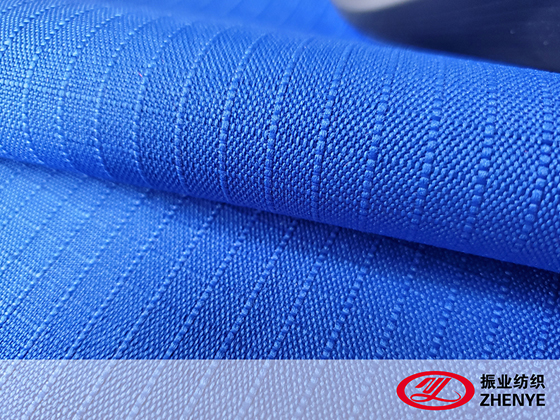
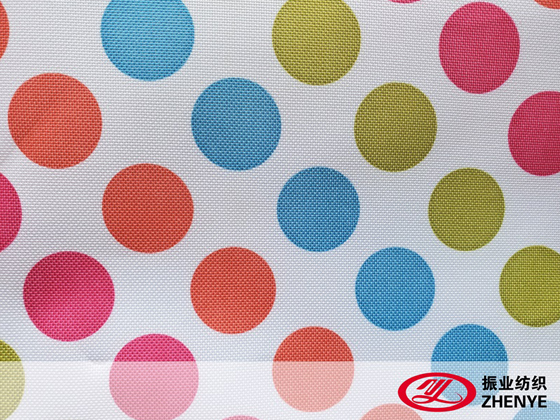
.jpg "300D Oxford Fabric PU")
.jpg "600D Oxford Fabric PVC Coating")
.jpg "600D Double Tone Fabric PVC")
.jpg "1200D Oxford Fabric")

