

 EN
EN
 English
 Español
 中文
中文Outdoor bags, protective covers, travel products, and technical textiles often face challenging weather conditions. A material that feels soft and flexible at room temperature may become stiff after exposure to cold environments. This raises an important question for designers and buyers: can PU fabric maintain flexibility in cold weather?
The answer depends on several factors, including polyurethane formulation, coating thickness, base fabric structure, and application conditions. PU fabric is widely used because it combines water resistance, lightweight characteristics, and a comfortable surface feel. However, different PU coating systems can show different behaviors under low temperatures. A professional pu fabric factory needs to consider material chemistry and end-use requirements rather than only focusing on appearance or thickness. Research on polyurethane coatings shows that formulation design has a significant influence on flexibility, mechanical resilience, and temperature-related performance.
1. Why Does PU Fabric Change Under Cold Conditions?
Polyurethane is a polymer material with flexible segments and stronger bonding segments. This structure allows PU coatings to bend and recover during normal use. However, lower temperatures can reduce molecular movement inside the polymer structure, making the coating less flexible.
Cold environments can affect PU fabric in several ways:
- Reduced elasticity: The coating may require more force to bend compared with performance at room temperature.
- Increased stiffness: Some PU coatings become harder and less comfortable to fold during cold exposure.
- Higher cracking risk: Repeated folding under harsh cold may create stress on the coating surface.
However, not every PU fabric reacts the same way. Advanced coating formulations can maintain better flexibility at lower temperatures by adjusting polymer components and coating structures.
2. PU Coating Formulation Determines Low-Temperature Performance
The chemical composition of PU plays an important role in cold-weather behavior. Different raw materials create different levels of softness, toughness, and temperature resistance.
Manufacturers may adjust the following elements:
- Polyol selection: Different polyol types influence flexibility and resistance to environmental changes.
- Hard segment ratio: The balance between hard and soft segments affects coating strength and movement ability.
- Additive technology: Specific additives can improve cold resistance and reduce brittleness.
A fabric designed for indoor bags may not require the same low-temperature performance as material used for winter sports equipment, outdoor backpacks, or protective covers exposed to snow and wind.
3. Does Thicker PU Coating Mean Better Cold Resistance?
Many buyers believe that a thicker coating automatically provides better durability. However, coating thickness alone does not determine cold-weather flexibility.
A thicker PU layer can improve waterproof performance and surface protection, but excessive thickness may increase stiffness after temperature drops. A balanced coating structure is usually more effective because it protects while maintaining fabric movement.
- Thin coating: Provides a softer touch but may require careful design to achieve sufficient protection.
- Medium coating: Often balances flexibility, waterproof ability, and durability.
- Heavy coating: Offers stronger barriers but may reduce softness in cold environments.
The relationship between coating weight and flexibility needs to be evaluated through actual performance testing rather than simple thickness comparison.
4. How Does Base Fabric Affect Winter Performance?
PU coating is only one part of the complete material system. The textile underneath also influences how the finished fabric behaves in cold environments.
Polyester and nylon fabrics are commonly used as PU coating bases because they provide strength, dimensional stability, and resistance to daily wear. The weaving density, yarn quality, and fabric weight can affect how easily the material bends.
- Tightly woven fabrics: Provide stronger support for the coating layer.
- Flexible fabric structures: Allow easier folding and movement in colder climates.
- Balanced fabric weight: Helps maintain both strength and handling comfort.
This is why two PU coated fabrics with the same surface coating may show different results during winter use.
5. What Temperature Range Can PU Fabric Handle?
The usable temperature range of PU fabric depends on the specific formulation and production technology. Standard PU coated fabrics can perform well under normal outdoor conditions, while specially developed low-temperature PU materials are designed for harsher environments.
Some PU waterproof Oxford fabrics may experience reduced flexibility at extremely low temperatures, especially below around -20°C, depending on coating structure and material quality.
Applications requiring frequent movement in cold areas should consider additional testing, including:
- Low-temperature bending tests: Evaluates whether the fabric can repeatedly fold without surface damage.
- Cold cracking tests: Checks resistance against coating fractures after freezing exposure.
- Flex durability tests: Measures performance after repeated mechanical movement.
6. Why Do Some PU Fabrics Crack While Others Remain Soft?
Different PU fabrics may look similar but have significant performance differences. The difference usually comes from production details and material selection.
- Raw material quality: Higher-quality polyurethane systems usually provide better flexibility retention.
- Coating process control: Uniform coating application helps prevent weak areas.
- Fabric compatibility: The coating must bond properly with the textile base.
- Application matching: Materials should match the expected climate and usage environment.
Experienced suppliers normally evaluate the complete structure instead of treating PU coating as an independent layer. A reliable pu fabric factory focuses on coating formulation, fabric selection, and performance testing together.
7. How Can Buyers Choose PU Fabric for Cold Weather Applications?
The right material depends on the product purpose. A lightweight cosmetic bag, a winter backpack, and an outdoor equipment cover have different requirements.
- Check low-temperature test data: Testing information provides a clearer understanding of actual performance.
- Review coating specifications: Coating type, weight, and structure influence flexibility.
- Consider real usage conditions: Temperature, moisture, folding frequency, and abrasion all affect service life.
Material selection should focus on long-term performance rather than only initial touch and appearance.
PU fabric can remain flexible in cold weather, but performance depends on formulation, coating design, and fabric construction. A well-developed PU material can maintain softness and durability under challenging conditions, while unsuitable formulations may become stiff or develop cracks after repeated cold exposure.
Understanding the relationship between polyurethane chemistry, textile structure, and environmental requirements helps buyers find materials that match their applications. With proper design and testing, PU fabric continues to be a practical solution for products requiring waterproof protection and flexible performance in changing climates.
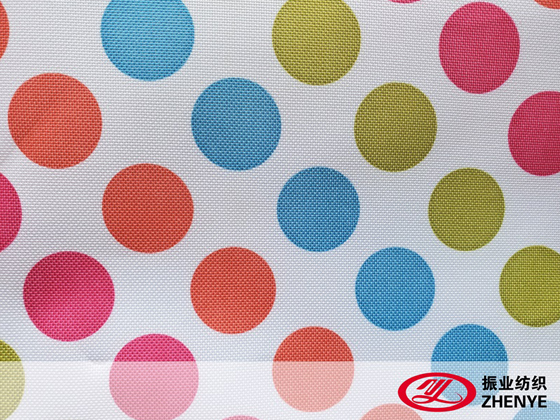
.jpg "600D Oxford Fabric PVC Coating (diamond)")
.jpg "600D Oxford Fabric PU (WR) ZY-501")
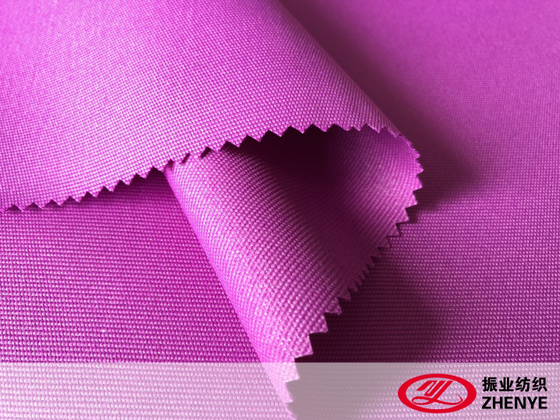
-1.jpg "ZY-677 600D Linen Type Cationic Fabric (WR)")
-1.jpg "Linen Type Cationic Fabric Pvc")

