
 EN
 English
 Español
 中文
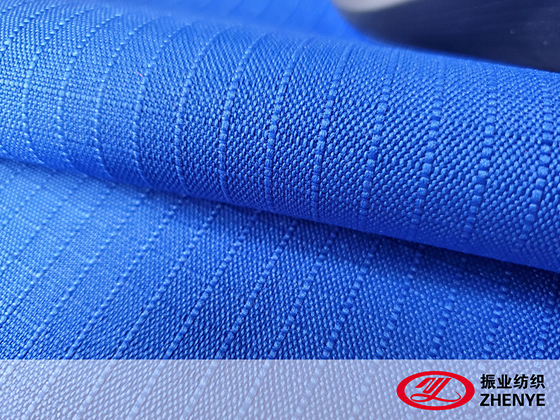
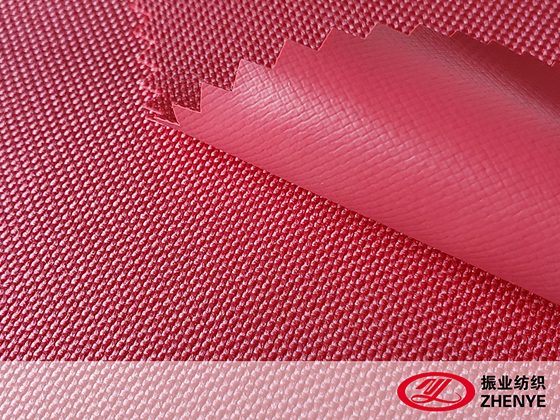
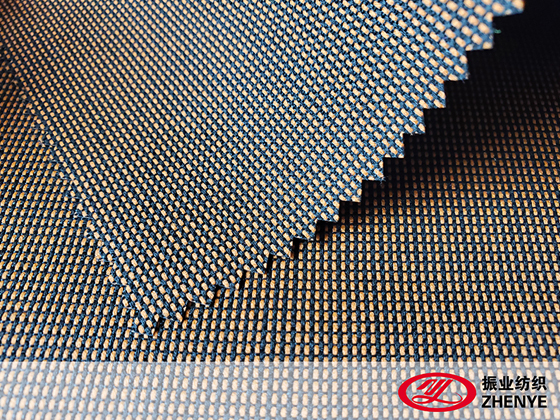
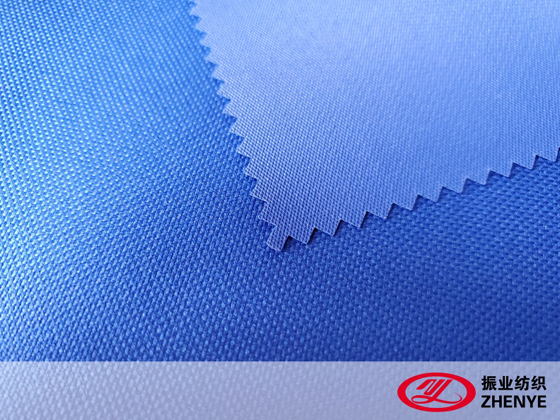
Fabric softness can influence much more than the way a textile feels in the hand. It affects how easily material folds around corners, passes through sewing equipment, fits curved product panels, and performs during repeated handling. For manufacturers developing backpacks, luggage, storage bags, and outdoor accessories, PU coated Oxford fabric offers a practical combination of woven polyester construction and a polyurethane finish.
However, a softer finish does not automatically mean better performance in every application. Coating formulation, fabric weight, yarn density, and the intended operating environment all influence the final result. Understanding these factors helps buyers determine whether flexibility should take priority over stiffness, surface protection, or structural support.
1. What Makes PU-Coated Oxford Fabric Feel Softer?
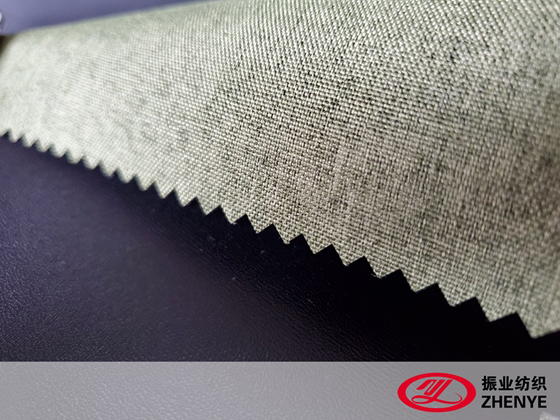
Oxford fabric typically uses a woven structure that provides the textile with its basic mechanical properties. A polyurethane (PU) coating is then applied to modify the surface and improve resistance to moisture. The coating also influences the fabric's flexibility, drape, and tactile characteristics.
Three factors influence the hand feel
- Coating formulation: Different PU formulations have different levels of flexibility and surface friction. The final hand feel depends on the polymer composition and finishing process.
- Coating weight: A heavier coating can increase the material's body and stiffness, although the actual effect depends on the formulation and application method.
- Base fabric construction: Yarn denier, weave density, and fabric weight affect how the textile bends and drapes before the coating is applied.
A soft finish can help a bag panel follow curved shapes and make the material easier to fold for storage. Nevertheless, softness should be evaluated alongside the fabric's mechanical properties rather than treated as an independent indicator of quality.
2. What Are the Advantages of a Softer Finish?
Flexible coated fabric can support several practical requirements in consumer and industrial product design.
Easier sewing and assembly
Bag manufacturers frequently work with multiple fabric panels, pockets, zippers, reinforcement sections, and curved seams. A fabric with suitable flexibility can be easier to position around these details. Its behavior still depends on the sewing equipment, needle, thread, and material thickness.
Improved foldability
Travel organizers, shopping bags, compact backpacks, and portable storage products may need to collapse into a smaller space. A flexible coating can help the finished material fold more readily, provided that the coating also tolerates repeated bending without cracking or separating.
A more textile-like appearance
Some product designs call for a fabric surface rather than a rigid, sheet-like appearance. A softer PU finish can preserve more of the underlying textile's drape, which may be useful for casual bags, luggage linings, and everyday accessories.
Lower material bulk in suitable constructions
PU-coated Oxford fabrics are available in relatively lightweight constructions. A lighter specification can help control the finished product's weight, although the actual result depends on the base fabric, coating amount, and additional components.
3. What Trade-Offs Should Buyers Consider?
Softness is useful, but it cannot replace other material requirements. A fabric designed to bend easily may provide less natural structure than a heavier construction, while a lightweight coating may not suit applications involving severe abrasion or prolonged exposure to demanding conditions.
| Design Factor | Potential Benefit of a Softer Finish | Potential Limitation |
| Flexibility | Easier folding and shaping | Less body for products requiring rigid panels |
| Material weight | Can support lightweight product designs | Weight alone does not establish strength |
| Water resistance | PU coating can create a moisture barrier | Performance depends on coating quality and construction |
| Abrasion resistance | Suitable formulations can withstand everyday handling | Heavy-duty applications may require additional testing |
| Repeated folding | Flexible material may accommodate regular movement | Coating durability must be verified through flex testing |
| Shape retention | Works well for products intended to drape naturally | May require reinforcement for structured designs |
The right choice depends on the finished product. A foldable travel bag and a rigid equipment case have different structural needs, even if both use coated Oxford fabric.
4. How Do Fabric Specifications Affect the Final Result?
Buyers should review the complete technical specification rather than relying on the coating type alone. Commercial 600D PU-coated Oxford fabric listings illustrate the range of available constructions. One published specification describes polyester fabric using 600D × 600D yarn, a weight of 235 GSM, a thickness of 0.34 mm or greater, and a width of 150 cm. These figures represent a particular product, not a universal specification for all 600D fabrics.
Key parameters to confirm include:
- Yarn denier: Indicates the linear density of the yarn and helps identify the base construction.
- Fabric weight: Measured in grams per square meter (GSM), it helps estimate material consumption and finished-product weight.
- Thickness: Influences the material profile and may affect sewing, folding, and assembly.
- Coating specification: Identifies the coating system and any relevant application or performance requirements.
- Water-pressure rating: Provides a measurable indication of resistance to water penetration under a defined test method.
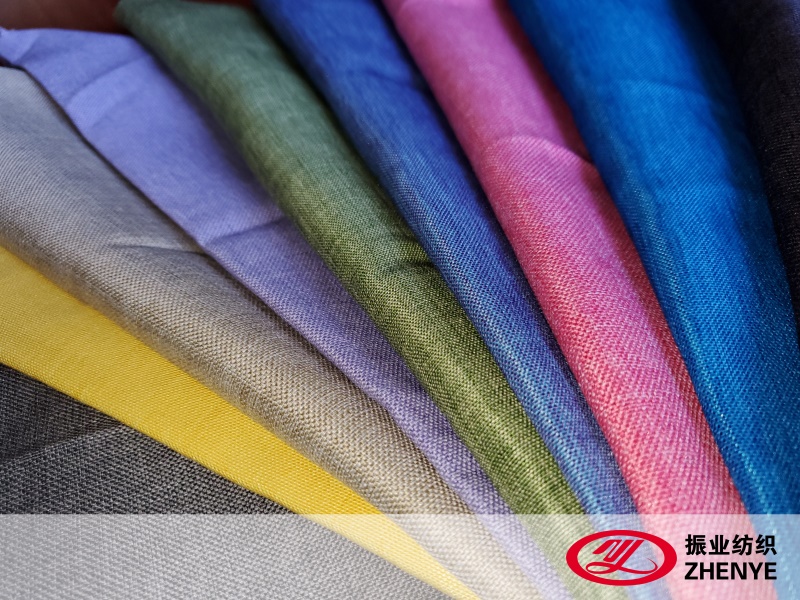
- Color and surface finish: Help establish visual consistency across production batches.
These specifications should be reviewed together. Two fabrics with the same denier may have different weights, thicknesses, flexibility, and water-resistance results because their weave density and coating constructions differ.
5. Which Applications Benefit from Softer PU-Coated Oxford?
Backpacks and everyday bags
Flexible 300D or 600D Oxford constructions may suit backpacks, shoulder bags, and casual luggage. Buyers should balance softness with seam strength, abrasion resistance, and the need to support pockets or reinforced base panels.
Travel organizers and foldable products
Travel pouches, packing cubes, and compact storage accessories often benefit from materials that can bend without creating excessive bulk. Repeated folding tests can help determine whether the coating remains intact during normal use.
Outdoor covers and portable equipment
Some outdoor covers require a flexible surface that can wrap around irregular shapes. In these applications, water resistance, UV exposure, temperature changes, and surface wear should be considered alongside softness. The required performance should be confirmed using suitable tests.
Structured luggage and tool bags
Products that carry heavy objects may need a firmer fabric or additional reinforcement. A softer PU-coated textile can still be used in selected panels, while stronger backing materials or internal supports provide the necessary shape and load distribution.
6. How Can Buyers Evaluate Softness Before Ordering?
Hand feel is difficult to describe using a single numerical value. A practical evaluation should combine physical sample inspection with measurable technical requirements.
- Compare physical samples: Check drape, bending resistance, surface texture, and recovery after folding.
- Test the intended construction: Sew sample panels or assemble a prototype to evaluate corners, seams, and closures.
- Review water resistance: Request test results that match the expected exposure conditions.
- Assess coating durability: Examine the material after repeated bending and abrasion relevant to the product's use.
- Confirm tolerances: Agree on acceptable ranges for weight, thickness, color, and other critical specifications.
Testing the fabric in its intended product configuration can reveal issues that a flat sample may not show. A material that feels soft on a sample card might behave differently after stitching, reinforcement, or lamination.
Choose Softness According to the Application
A softer PU finish can offer practical benefits for products that require flexibility, foldability, and a textile-like appearance. Yet softness should not take priority over every other performance requirement. Structural support, coating adhesion, abrasion resistance, and water protection remain important considerations.
For B2B buyers, the decision comes down to defining how the finished product will be used and matching the material specification to those conditions. Comparing fabric weight, yarn construction, coating properties, and physical samples provides a clearer basis for approval. With these factors evaluated together, PU-coated Oxford fabric can be specified more effectively for bags, luggage, storage products, and selected outdoor applications.