

 EN
EN
 English
 Español
 中文
中文Bag design is no longer based only on appearance. Weight, structure, surface feel, water resistance, and abrasion performance can all influence how a finished bag performs in daily use. As manufacturers explore different textile constructions, Oxford fabric has become an interesting material direction for backpacks, luggage, tool bags, sports bags, and outdoor products.
The growing use of Oxford Fabric for Bag Material is not simply related to durability. Its range of yarn sizes, fabric weights, weave structures, and coating options gives designers more freedom to match the material with the intended function of a bag.
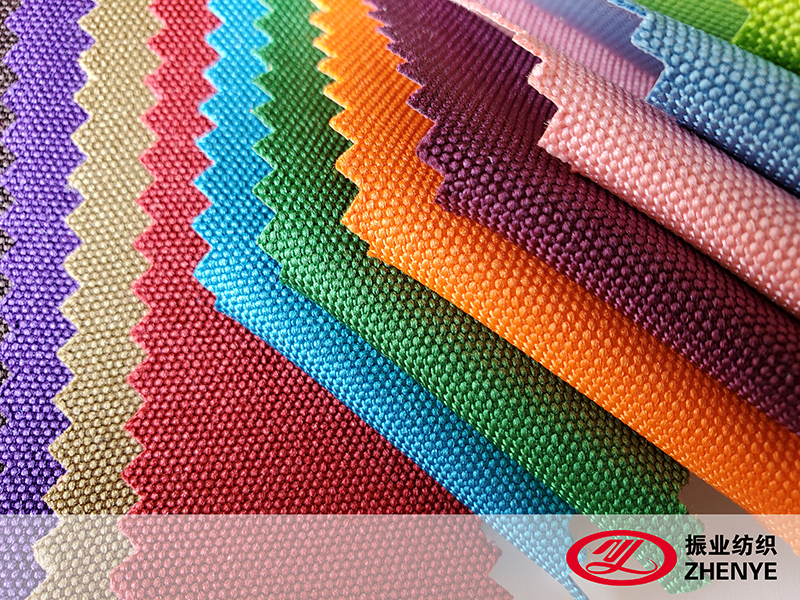
Denier Can Change the Character of a Bag
Oxford fabric is available across a broad range of deniers. A higher denier generally uses thicker yarns, which can increase fabric weight and provide a more substantial structure. However, the right specification depends on the bag's design rather than the number printed beside “D.”
| Fabric Type | Typical Weight Range | Possible Bag Applications | Design Character |
| 300D Oxford | Approx. 100–180 gsm | Light bags, organizers | Lightweight and flexible |
| 600D Oxford | Approx. 150–240 gsm | Backpacks, sports bags | Balanced structure |
| 900D Oxford | Approx. 220–280 gsm | Outdoor and equipment bags | More substantial body |
| 1680D Oxford | Approx. 300 gsm+ | Luggage, tool bags | Heavy-duty appearance |
Actual GSM can vary considerably according to yarn density, weave construction, coating, and finishing. Industry fabric specifications show that even fabrics sharing the same denier can have very different weights and physical characteristics.
Bag Structure Is Becoming Part of Material Selection
A fabric does more than cover the contents of a bag. It can influence how the bag holds its shape, how seams behave, and how panels interact with zippers, handles, webbing, and reinforcement layers.
Lightweight Bags
Compact travel bags and foldable products may benefit from lighter Oxford constructions. A 210D or 300D fabric can reduce bulk and make the finished product easier to fold or carry.
Everyday Functional Bags
600D Oxford is widely associated with backpacks, sports bags, computer bags, and general-purpose luggage. Fabric specifications can range around 150–240 gsm before considering heavier coating constructions, giving designers room to adjust the balance between body and weight.
Heavy-Duty Products
Equipment bags, tool bags, and luggage often require greater abrasion resistance and structural support. 900D, 1200D, or 1680D constructions can provide a more substantial surface, although additional material weight may affect carrying comfort and shipping requirements.
Coating Adds Another Design Variable
Raw woven Oxford fabric should not automatically be considered waterproof. Water resistance depends heavily on the fabric construction and finishing system. PU and PVC coatings are common options, with each creating a different combination of flexibility, surface feel, weight, and water resistance.
- PU coating: Often used where flexibility and a relatively soft handle are important, including backpacks and functional travel bags.
- PVC coating: Can provide a heavier and more structured construction for demanding bags and protective products.
- Different coating weights: The same 600D base fabric can have substantially different GSM values depending on the coating system.
This means a product specification such as “600D waterproof Oxford” may not provide enough information for a material comparison. Fabric density, GSM, coating type, water-pressure rating, and intended application can all be useful specification points.
Visual Texture Can Influence Product Positioning
Material selection also affects how consumers perceive a bag. Oxford's characteristic woven texture can create a technical or functional appearance, while different finishes can produce smoother, glossier, or softer surfaces.
Manufacturers can also combine fabric specifications within one product. A bag may use a lighter Oxford fabric across large panels while applying heavier material around the base, corners, handles, or other high-contact areas. This approach allows the overall construction to remain practical without making every panel unnecessarily heavy.
What Could Come Next for Oxford Bag Materials?
The development of bag materials is moving toward more application-specific combinations rather than a single fabric specification for every product. Designers can compare denier, GSM, coating, weave, hand feel, and structural requirements before finalizing a material direction.
For B2B buyers, this also changes the way fabric specifications should be discussed during product development. Instead of asking only for “Oxford fabric,” a technical inquiry can define the yarn count, fabric weight, width, coating type, waterproof rating, color requirements, and intended bag application.
Oxford fabric is therefore influencing bag design not simply because it is a durable textile, but because its construction can be adjusted around the product itself. From lightweight organizers to reinforced equipment bags, the material offers multiple routes for balancing appearance, structure, weight, and protection.
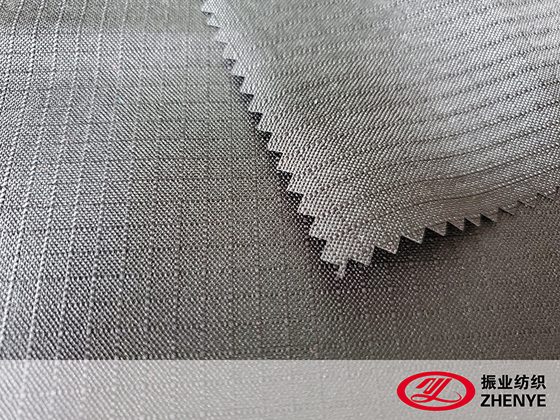
.jpg "600D Oxford Fabric PU (Plain weave)")
.jpg "600D Oxford Fabric PVC Coating")
.jpg "600D Oxford Fabric PVC Coating (diamond)")
.jpg "600D Oxford Fabric PU (WR) ZY-501")
-2.jpg "Linen Type Cationic Fabric PVC")

