

 EN
EN
 English
 Español
 中文
中文Fashion accessories are no longer focused only on appearance. Modern consumers also pay attention to texture, color expression, durability, and practical performance. Bags, backpacks, travel accessories, and lifestyle products require fabrics that can create attractive visual effects while maintaining reliable daily performance. Plain Weave Cationic Fabric has gained attention in accessory design because it combines a clean surface structure with distinctive color depth and a comfortable textile feel.
The growing interest in cationic fabrics comes from their unique dyeing characteristics and woven appearance. Compared with ordinary polyester fabrics, cationic polyester can achieve richer color effects and create a more refined surface appearance. Combined with a plain weave construction, the fabric offers a balanced structure suitable for various fashion and functional products.
The Textile Structure Behind Plain Weave Cationic Fabric
The performance of cationic fabric is closely connected with both fiber technology and weaving methods. Plain weave is one of the basic textile structures, created by alternating warp and weft yarns in an over-and-under pattern. This structure produces a stable surface with balanced strength and a smooth appearance.
Cationic polyester uses modified fibers designed to absorb cationic dyes differently from conventional polyester. This allows manufacturers to create deeper shades, special two-tone effects, and more visually appealing fabric surfaces.
Main Structural Components
- Cationic polyester yarn: Provides enhanced color absorption and supports unique visual effects.
- Plain weave construction: Creates a firm and even surface with balanced warp and weft distribution.
- Surface finishing: Additional treatments can improve hand feel, water resistance, and product appearance.
Why Texture Matters in Modern Accessories
The surface texture of a fabric influences how a finished product looks and feels. Accessories such as backpacks, handbags, cosmetic cases, and organizers often rely on fabric texture to create product identity.
A plain weave structure gives cationic fabric a neat and regular appearance. The smooth surface makes it suitable for printing, coating, embossing, and other finishing processes. This flexibility allows designers to create products with different visual styles while maintaining a stable fabric structure.
- Enhanced color presentation: Cationic fibers can create deeper and more attractive shades.
- Clean surface appearance: Plain weave offers a simple texture suitable for modern designs.
- Flexible customization: The fabric can support different colors, coatings, and finishing methods.
Technical Characteristics of Cationic Plain Weave Fabric
Different product categories require different fabric specifications. Yarn thickness, weaving density, and finishing technology influence the final performance of the material.
| Technical Item | Typical Specification | Design Advantage |
| Material Composition | Polyester or cationic polyester blend | Stable structure and color performance |
| Weave Type | Plain weave | Smooth surface and balanced strength |
| Denier Options | 150D, 300D, 600D and customized options | Suitable for different product weights |
| Fabric Weight | Approx. 120–300 GSM depending on construction | Supports lightweight and structured products |
| Finishing Options | PU coating, water-resistant treatment, printing | Improves functionality and appearance |
New Applications Beyond Traditional Fashion Items
Cationic fabrics were initially valued for their appearance and dyeing performance, but their application range has continued to expand. Designers now use these materials in products that require both style and practical functions.
Growing Product Categories
- Fashion bags: Used in handbags, shoulder bags, and casual backpacks where texture and color are important.
- Travel accessories: Applied in luggage organizers, passport holders, and storage cases.
- Lifestyle products: Suitable for cosmetic bags, electronic accessories, and daily carrying items.
- Outdoor accessories: Used in lightweight gear that requires attractive appearance and functional performance.
Cationic Fabric Compared with Regular Polyester Fabric
Both cationic polyester and conventional polyester are widely used in textile products, but their appearance and dyeing characteristics differ. Understanding these differences helps designers develop products with specific visual requirements.
| Feature | Cationic Polyester Fabric | Regular Polyester Fabric |
| Color Effect | Richer shades and special visual effects | Standard polyester color performance |
| Surface Appearance | Soft texture with refined appearance | More traditional synthetic look |
| Design Possibilities | Suitable for two-tone and textured effects | Common single-color applications |
| Main Uses | Fashion accessories, bags, lifestyle products | General textile and industrial products |
Finishing Technologies Expand Fabric Possibilities
Although the woven structure determines the basic characteristics of the fabric, additional finishing processes can further improve product performance. Surface treatments can provide additional functions such as water resistance, smoother touch, or enhanced visual effects.
Common finishing options include:
- PU coating: Adds moisture resistance while maintaining fabric flexibility.
- Water-repellent treatment: Helps reduce water absorption during daily use.
- Embossing and printing: Creates additional surface patterns and design features.
Design Trends Supporting Cationic Textile Growth
Accessory design is moving toward materials that combine visual appeal with practical value. Customers are looking for products that express personal style while providing dependable everyday performance.
Plain weave cationic fabric matches this direction by offering designers a flexible material platform. Its color performance, stable woven structure, and customization potential make it suitable for products that need a balance between fashion and function.
Future Possibilities of Cationic Fabric Applications
The development of functional fashion materials continues to create new opportunities for textile innovation. Fabrics are no longer evaluated only by strength or cost but also by appearance, touch, and design adaptability.
With its distinctive dyeing characteristics and clean woven texture, cationic fabric provides a valuable option for modern accessories. From everyday bags to lifestyle products, this material demonstrates how textile technology can support creative product development while maintaining practical performance.
As accessory markets continue to explore new textures and color experiences, plain weave cationic fabric will remain a material choice that connects textile innovation with contemporary design needs.
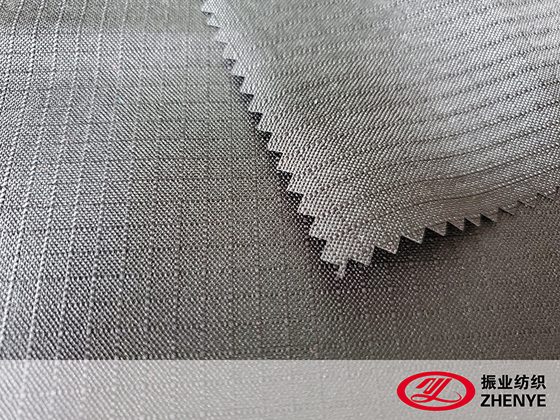
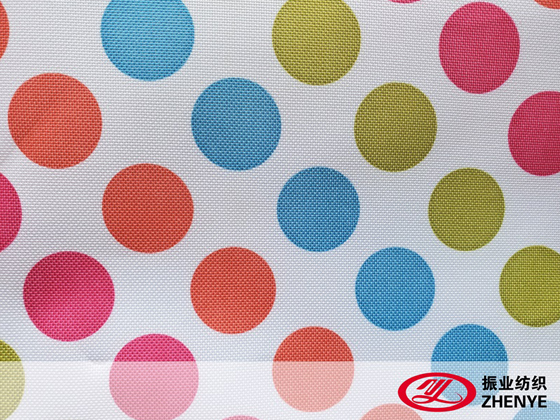
-1.jpg "300D Oxford Fabric")
.jpg "600D Double Tone Fabric PVC")
-1.jpg "300D Linen Type Cationic Fabric (PVC)")
-1.jpg "1000D Linen Type Cationic Fabric (WR)")

