
 EN
EN
 English
 Español
 中文
中文Polyurethane (PU) fabric is a type of synthetic textile created by coating or laminating a base fabric, such as polyester or cotton, with a thin layer of polyurethane. This coating provides a flexible, water-resistant surface, making PU fabric suitable for a range of applications, including clothing, upholstery, bags, and protective covers. Its combination of appearance, functionality, and adaptability has led to widespread use across multiple markets.

Applications of PU Fabric
PU fabric is valued for its water resistance, durability, and ease of maintenance. Common applications include:
Clothing and fashion
PU-coated leather or synthetic leather is used in jackets, skirts, shoes, and accessories.
Offers a leather-like appearance while remaining lightweight and flexible.
Bags and luggage
Handbags, backpacks, and travel bags frequently use PU fabric for durability and water resistance.
Provides a smooth surface for printing or embossing patterns.
Upholstery and furniture
Chairs, sofas, and automotive seats often include PU fabric for its easy cleaning properties.
Water and stain resistance make it suitable for commercial and residential use.
Protective gear and covers
Raincoats, workwear, and equipment covers utilize PU fabric to shield from moisture.
Flexible coating allows lightweight protection for outdoor or industrial applications.
PU fabric's versatility across multiple sectors explains its continued presence in consumer and industrial products.
Features Supporting Its Market Use
PU fabric has practical properties that support its adoption:
Water resistance
PU coating repels water, making the fabric suitable for rainwear, bags, and furniture protection.
Flexibility and comfort
Maintains softness and pliability, which is important for clothing and accessories.
Appearance
Can imitate leather or be finished in matte, glossy, or textured styles.
Supports a variety of designs and colors.
Maintenance
Easy to clean with a damp cloth.
Resistant to minor stains and spills.
These characteristics make PU fabric suitable for products requiring durability, appearance, and moderate weather resistance.
What Are the Problems with PU Fabric?
While PU fabric has many practical uses, it also has several limitations that affect durability, performance, and long-term usability.
Durability Issues
Peeling and cracking
Repeated bending or stretching may cause the polyurethane layer to crack over time.
High-friction areas, such as seat cushions or bag edges, are particularly susceptible.
Reduced lifespan compared to natural leather
PU fabric tends to degrade faster under heavy use or exposure to heat and sunlight.
Prolonged use in outdoor conditions can accelerate wear.
Water and Heat Limitations
Water resistance limitations
PU fabric can resist light moisture, but prolonged exposure to water may seep through seams or coating edges.
Heavy rain or submersion may reduce protection.
Heat sensitivity
High temperatures, including ironing or hot surfaces, can damage the PU layer.
May become sticky or discolored when exposed to heat for extended periods.
Environmental and Maintenance Considerations
Environmental impact
PU is a synthetic material derived from petroleum-based chemicals.
Production and disposal may contribute to environmental concerns if not recycled properly.
Cleaning limitations
Harsh detergents, solvents, or abrasive cleaning tools may degrade the surface.
Regular cleaning requires careful handling to maintain appearance and coating integrity.
Flexibility and Comfort Concerns
Some PU fabrics may feel less breathable than natural fabrics, which can affect comfort in clothing or furniture.
Excessive stretching or folding may reduce flexibility and bring about early damage.
PU fabric is a versatile material used in clothing, bags, furniture, and protective gear due to its water resistance, flexibility, and leather-like appearance. Its practical features make it suitable for a wide range of consumer and industrial applications. However, PU fabric has limitations including susceptibility to peeling, cracking, heat damage, and reduced durability under prolonged exposure. Environmental considerations and careful maintenance are also important factors. Understanding both the advantages and potential problems of PU fabric allows manufacturers and consumers to select appropriate applications and manage its use for longer-lasting performance.
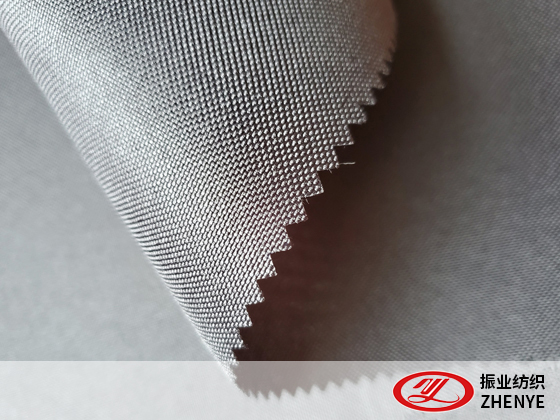
.jpg "300D Oxford Fabric PU")
.jpg "600D Oxford Fabric PVC Coating (plain)")
.jpg "600D Oxford Fabric PVC Coating (diamond)")
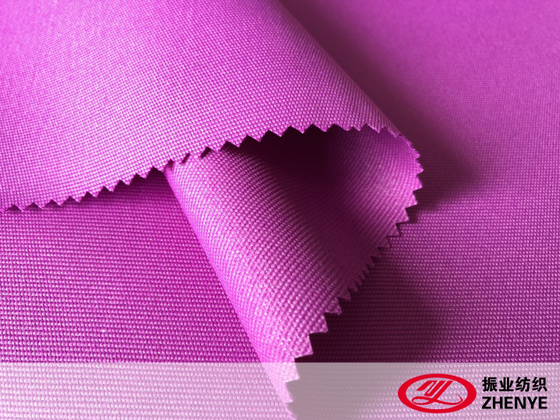
-1.jpg "ZY-677 600D Linen Type Cationic Fabric (WR)")