
 EN
EN
 English
 Español
 中文
中文PVC fabric is a synthetic textile created by coating or laminating a base material, usually polyester or cotton, with polyvinyl chloride (PVC). This coating provides water resistance, durability, and a smooth surface suitable for various applications. PVC fabric is widely used in fashion, furniture, outdoor gear, and industrial products due to its functional characteristics.
What Are the Types of PVC Fabric?
PVC fabric is available in several types depending on its base material, coating method, and finishing. These variations are suited for different applications and performance requirements.
By Base Material
Polyester-based PVC fabric
Lightweight and strong, suitable for bags, raincoats, and tents.
Provides dimensional stability and consistent performance in outdoor applications.
Cotton-based PVC fabric
Softer texture and more flexible, used in apparel, upholstery, and decorative items.
May be more comfortable for direct contact with skin while retaining water resistance.
By Coating and Lamination
Single-coated PVC fabric
PVC layer applied to one side of the base fabric.
Often used for applications requiring water resistance on one surface, such as umbrellas or table covers.
Double-coated or laminated PVC fabric
PVC applied to both sides of the base fabric, increasing thickness, durability, and water resistance.
Suitable for heavy-duty applications like tarpaulins, protective covers, or outdoor furniture.
Printed or textured PVC fabric
PVC coating may include patterns, textures, or color layers.
Used in fashion products, bags, and decorative items to provide aesthetic appeal.
Different types of PVC fabric allow manufacturers to select materials based on strength, flexibility, appearance, and intended use.
Why Is PVC Fabric Worth Buying?
PVC fabric provides practical advantages that make it widely adopted in consumer and industrial products.
Water Resistance and Protection
Provides a waterproof surface for outdoor applications, rainwear, and protective covers.
Protects underlying materials from moisture, dirt, and light spills.
Durability and Maintenance
Resistant to abrasion, tearing, and repeated use.
Easy to clean with a damp cloth; does not require special detergents.
Maintains performance in moderate outdoor conditions, making it suitable for both residential and commercial use.
Versatility and Customization
Available in multiple colors, finishes, and textures.
Can be printed, embossed, or laminated for decorative or functional purposes.
Suitable for a wide range of products including bags, upholstery, tents, rainwear, and industrial covers.
Cost and Availability
Generally more affordable than natural leather or heavy-duty coated fabrics.
Available in bulk and standard sheet sizes for large-scale manufacturing.
These benefits support PVC fabric's adoption in markets where protection, versatility, and cost-efficiency are important.
What Are the Design Features of PVC Fabric?
The design of PVC fabric focuses on functional performance, durability, and adaptability for various applications.
Material Composition
Base fabric provides strength, flexibility, and dimensional stability.
PVC coating adds water resistance, smoothness, and surface protection.
Surface Finish
Glossy, matte, or textured finishes are available to meet aesthetic requirements.
Textured coatings may improve slip resistance, grip, or decorative appeal.
Thickness and Weight
Fabric weight and coating thickness are selected based on use:
Lightweight fabrics for clothing and bags.
Heavier, double-coated fabrics for outdoor or industrial applications.
Additional Features
Flame retardant treatments for industrial or commercial applications.
UV-resistant coatings to reduce degradation from sunlight.
Reinforced edges or laminated layers for high-stress applications.
These design features make PVC fabric adaptable to multiple environments while providing protection, durability, and appearance options. Proper selection of base material, coating type, and surface finish ensures the fabric meets the functional requirements of its intended application.
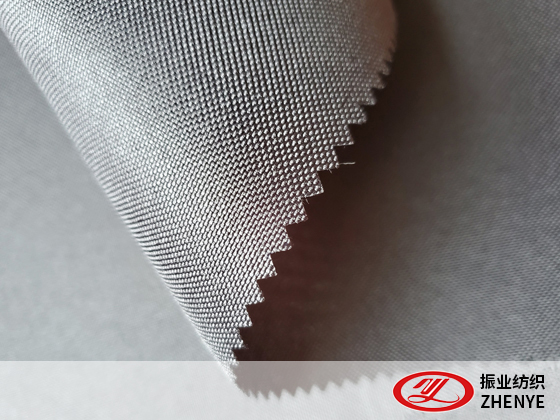
.jpg "600D Oxford Fabric PVC Coating (plain)")
.jpg "1200D Oxford Fabric")
.jpg "600D Oxford Fabric PU (WR) ZY-501")
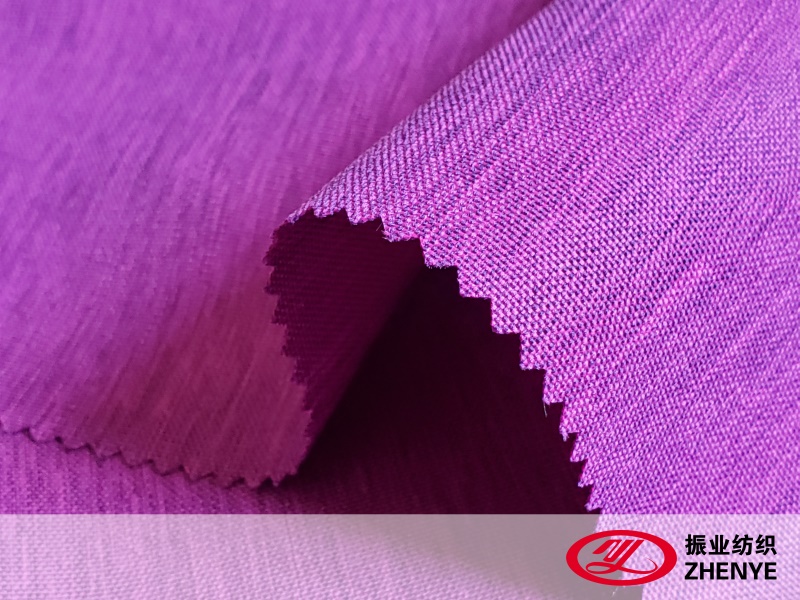
-2.jpg "Linen Type Cationic Fabric PVC")
-1.jpg "300D Linen Type Cationic Fabric (PVC)")