

 EN
EN
 English
 Español
 中文
中文Outdoor bags have long been associated with coated textiles, but the application range of Oxford fabric is becoming much broader. Travel luggage, equipment cases, tool bags, storage products, vehicle covers, and protective accessories all require fabrics that can handle repeated contact while providing a barrier against moisture.
PVC Coated Polyester Oxford Fabric is attracting attention across these applications because its woven polyester base and PVC surface layer provide a combination of structural support, water resistance, and surface protection. Current textile specifications include 600D, 900D, 1200D, and 1680D constructions, allowing the material to be matched with products requiring different levels of body and protection.
Beyond Backpacks: Where Is PVC Oxford Going?
The traditional image of PVC-coated Oxford fabric often involves tents, tarpaulins, and outdoor covers. New product categories are creating additional demand for the same material characteristics.
- Luggage and suitcases: Heavier Oxford constructions can provide a firm exterior surface for high-contact panels.
- Tool bags: A coated surface can help protect the fabric from moisture, dirt, and repeated handling.
- Equipment cases: Greater fabric body can support products that need additional structural stability.
- Vehicle protection: PVC-coated polyester is used in covers for vehicles, equipment, trucks, and trailers.
- Outdoor storage: Storage covers and protective accessories can benefit from a coated waterproof surface.
Commercial 600D PVC-coated Oxford specifications already list backpacks, bags, cases, prams, sleeping bags, curtains, furniture covers, and other products among potential applications.
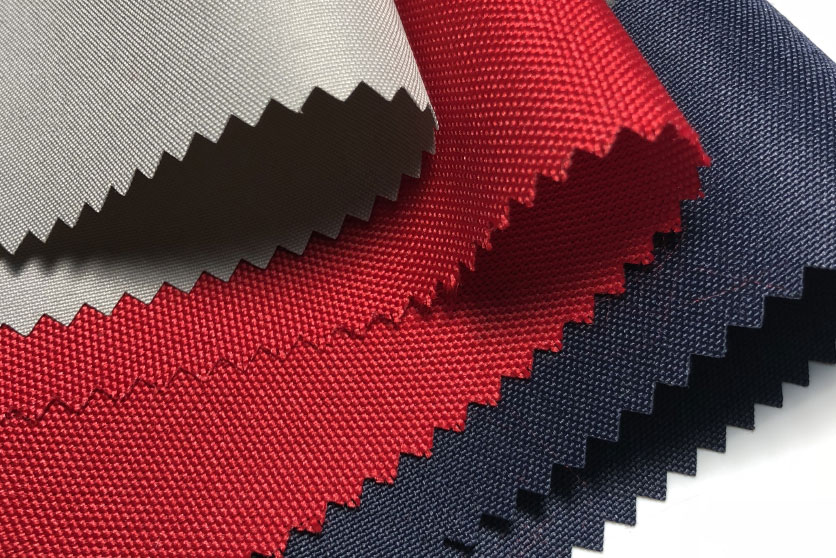
600D Is Not the Only Option
Denier provides a useful starting point for comparing Oxford fabrics, but it does not describe the complete material. Fabric density, GSM, coating weight, and weave construction can produce substantially different results even under the same denier number.
| Oxford Construction | Example Weight | Possible Application | Material Character |
| 300D | Approx. 120–180 GSM | Light bags and accessories | Light and flexible |
| 600D | Approx. 200–350 GSM | Backpacks, gear bags, covers | Balanced structure |
| 900D | Approx. 220–400+ GSM | Tool bags and heavy-use products | More substantial body |
| 1680D | Approx. 280–640 GSM | Luggage and protective products | Firm and heavy-duty |
These figures are indicative rather than universal specifications. A current 600D PVC-coated polyester example is listed at 330 g/m² with a 150 cm width, while a 1680D PVC-coated luggage fabric is offered around 380 GSM.
PVC Coating Can Change the Product's Physical Character
The PVC layer does more than create water resistance. It can alter the fabric's surface, stiffness, weight, and resistance to external contact.
A relatively heavy PVC coating can give Oxford fabric a firmer handle that suits covers, equipment bags, and protective products. Lighter constructions can retain greater flexibility for products that need to be folded or manipulated frequently.
Protection Versus Flexibility
This creates an important design consideration. A rigid coated fabric may provide useful structure for luggage or equipment cases, while a softer construction can be more practical for a foldable bag.
The intended product should therefore determine the coating specification rather than treating PVC coating as a single standardized material.
Waterproof Performance Needs a Number
The word “waterproof” is widely used in fabric marketing, but buyers working on technical products often need a measurable performance target.
Hydrostatic head testing is one method used to evaluate resistance to water penetration. Commercial PVC-coated Oxford specifications can reach hydrostatic-pressure levels above 5,000 mm, while some heavy-duty products are designed around substantially higher ratings.
- Check the stated hydrostatic head or water-pressure rating.
- Confirm whether the coating is applied to one side or both sides.
- Review fabric GSM together with the coating specification.
- Consider seams, zippers, and construction details on the finished product.
A higher waterproof rating may be useful for protective covers or products exposed to prolonged rain, while everyday bags may have different requirements.
Surface Finish Is Also Part of Product Design
PVC-coated Oxford does not have to look purely industrial. Depending on the formulation and finishing process, manufacturers can develop glossy, matte, embossed, or printed surfaces.
That creates additional possibilities for consumer-facing products. A luggage brand might combine a textured coated panel with molded components. A tool bag can use a dark PVC surface with contrasting webbing. Storage products can use different colors to separate product categories.
The fabric therefore becomes both a functional layer and a visible design element.
How Does PVC Compare With PU?
PU and PVC coatings can both be applied to polyester Oxford fabric, but their physical characteristics can differ.
| Property | PVC Coated Oxford | PU Coated Oxford |
| Surface character | Generally firmer | Generally softer |
| Water resistance | Suitable for strong moisture protection | Available across light to high waterproof specifications |
| Structure | Can add body and stiffness | Usually retains greater flexibility |
| Typical applications | Covers, luggage, tool bags, protective products | Backpacks, travel bags, tents, flexible outdoor products |
Recent material comparisons describe PVC-coated polyester as a more structured option for heavy-use products, while PU-coated Oxford is generally associated with softer and more flexible applications.
Could PVC Oxford Become a More Versatile Bag Material?
The expansion of coated Oxford fabric is closely connected with the diversification of bag products. A single category now covers commuter backpacks, professional tool bags, travel luggage, equipment carriers, protective cases, and outdoor storage products.
Each application can require a different combination of denier, GSM, coating thickness, flexibility, surface finish, and waterproof performance. A 600D fabric around 330 GSM may suit a different product concept from a 1680D construction around 380 GSM.
That difference is important for B2B buyers. Rather than ordering simply by the phrase “PVC Oxford fabric,” a more detailed specification can include denier, yarn count, GSM, width, coating type, coating weight, waterproof rating, color, surface finish, and intended application.
PVC-coated Oxford fabric is no longer limited to the traditional image of outdoor protection. Its combination of woven polyester structure and coated surface allows it to move into luggage, transportation, equipment storage, industrial protection, and functional bags. As product requirements become more specialized, the material's real value lies in how its specifications can be adjusted around the final application.
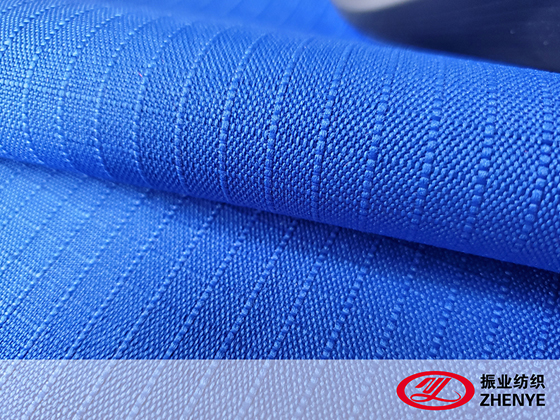
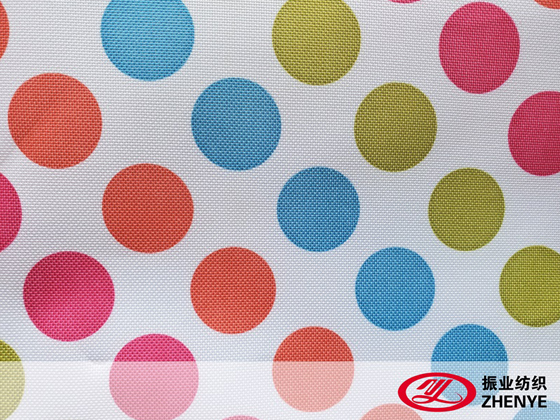
.jpg "600D Double Tone Fabric PVC")
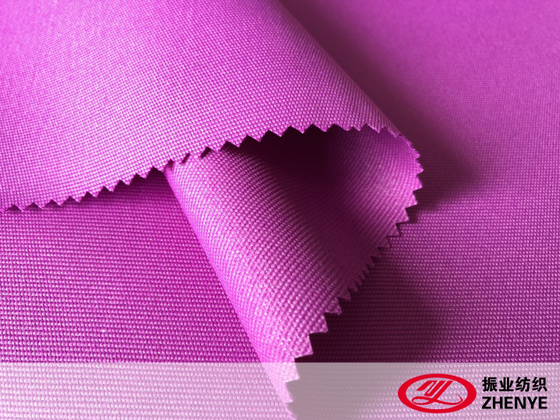
-1.jpg "1000D Linen Type Cationic Fabric (WR)")
-1.jpg "Linen Type Cationic Fabric Pvc")

