

 EN
EN
 English
 Español
 中文
中文The material chosen for a bag depends on its intended use, desired aesthetic, and durability requirements. Here are some common materials used in the production of bag fabrics:
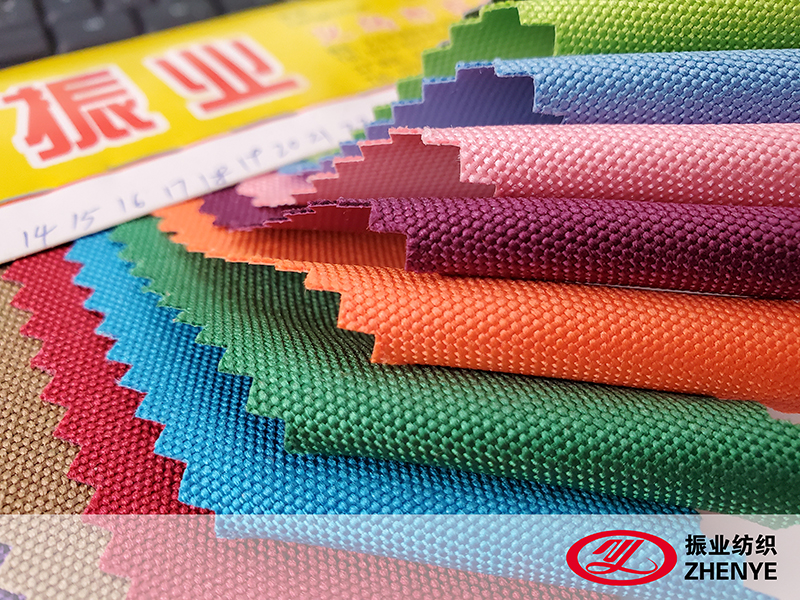
· Cotton
A natural, breathable material that is soft to the touch and environmentally friendly. Cotton is often used in casual bags, such as totes, and is popular for its ability to hold prints and designs.
· Polyester
A synthetic fabric that is durable, lightweight, and resistant to wrinkles. Polyester bags are often more affordable and are commonly used for travel bags, backpacks, and sports bags.
· Nylon
Known for its strength, water resistance, and flexibility, nylon is commonly used in backpacks, laptop bags, and outdoor gear. It is lightweight yet highly durable, making it ideal for bags subjected to wear and tear.
· Leather
A premium, natural material that is durable and stylish, leather is frequently used in high-end handbags, briefcases, and accessories. It ages well over time, developing a unique patina.
· Canvas
A heavy-duty, woven fabric, often made from cotton or a cotton blend. Canvas bags are known for their durability and versatility, commonly used for both casual and work bags.
· Jute
A sustainable, eco-friendly material that is used for tote bags and environmentally conscious brands. Jute bags are durable but tend to have a more rustic look.
Types of Bag Fabric and Their Characteristics
Bag fabric types vary based on their composition, texture, and performance characteristics. Here's a breakdown of some key fabric types commonly used in bag manufacturing:
· Woven Fabrics
Woven fabrics are made by interlacing two distinct yarns at right angles. This type of fabric is strong and durable, making it ideal for bags that need to withstand heavy use. Examples include canvas, denim, and tweed. The tightness of the weave influences the fabric's strength and appearance.
· Knitted Fabrics
Knitted fabrics are made by interlocking loops of yarn, which makes them more flexible than woven fabrics. While not as durable as woven materials, knitted fabrics can provide a softer and stretchier feel. They are used for smaller, softer bags like backpacks and some casual totes.
· Non-Woven Fabrics
Non-woven fabrics are made from fibers that are bonded together using methods like heat or chemical bonding, rather than weaving or knitting. These fabrics are commonly used for shopping bags, reusable bags, and disposable items. They are lightweight, affordable, and easy to customize but may not offer the same level of durability as woven fabrics.
How to Use Bag Fabric and What Are Its Effects?
Understanding how to use different types of bag fabric can greatly impact the functionality, longevity, and overall satisfaction with a bag. Here’s a guide to effectively using bag fabric:
Choosing the Right Fabric for Your Needs
Select the appropriate fabric based on the bag’s intended use. For a durable backpack, opt for nylon or polyester. For a stylish handbag, leather or canvas may be more suitable. Consider the fabric's durability, weight, and appearance when making your selection.
· Durability and Care
Some fabrics require more maintenance than others. For example, leather bags need regular conditioning to maintain their appearance, while cotton bags can be machine-washed. Pay attention to the care instructions for each fabric type to ensure the bag lasts as long as possible.
· Weather Resistance
If the bag will be exposed to moisture or harsh weather, consider a fabric that offers water resistance or waterproofing. Nylon and polyester are popular choices for travel and outdoor bags, while jute and cotton may require additional treatments to resist water.
· Environmental Impact
If eco-friendliness is a priority, consider using sustainable materials like organic cotton or recycled polyester. Many brands now offer bags made from biodegradable, recyclable, or ethically sourced materials, allowing consumers to choose an option that aligns with their values.
· Aesthetic Appeal
The choice of fabric can dramatically impact the appearance of the bag. For example, leather gives a more polished and professional look, while cotton or canvas offers a more casual, laid-back aesthetic. Choose fabric that complements your personal style or the purpose of the bag.
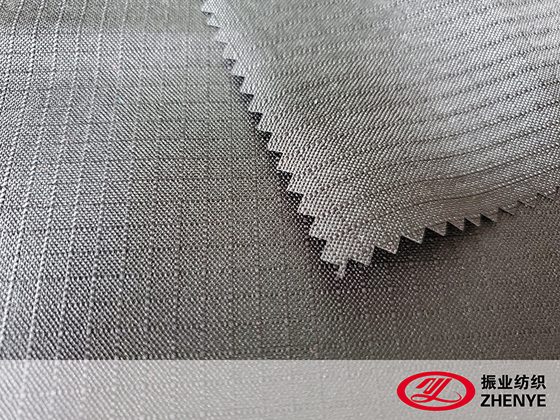
.jpg "300D Oxford Fabric PU")
.jpg "600D Oxford Fabric PU (Plain weave)")
.jpg "600D Oxford Fabric PU ZY-501")
-1.jpg "600D Linen Type Cationic Fabric PVC")
-1.jpg "1000D Linen Type Cationic Fabric (WR)")

