

 EN
EN
 English
 Español
 中文
中文What Are the Different Weaving Techniques Used for Polyester Fabric?
Polyester fabric can be produced using several weaving techniques, which influence its texture, durability, and overall performance.
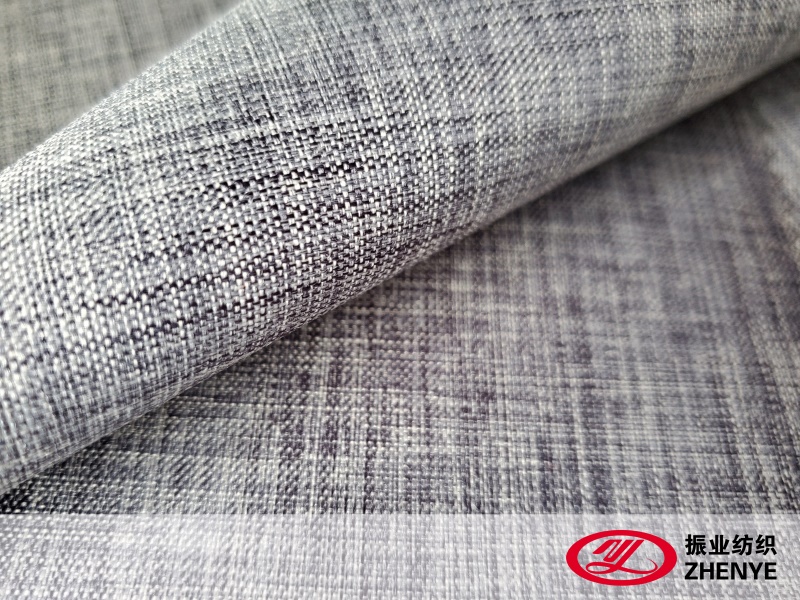
· Plain Weave
This is the simplest and most commonly used weaving technique for polyester fabric. In a plain weave, the threads are interlaced in an over-under pattern. This gives the fabric a balanced and uniform texture, making it durable and suitable for a variety of applications, from clothing to upholstery. Plain weave polyester is generally more breathable and lightweight compared to other weaves.
· Twill Weave
A twill weave creates a fabric with a distinctive diagonal pattern. The threads are woven in such a way that they form a series of diagonal lines. Twill-weave polyester fabrics are often stronger and more durable than plain-weave fabrics. They also tend to resist wrinkles and creases, making them ideal for uniforms, workwear, and other heavy-duty applications.
· Satin Weave
In satin weave, the threads are arranged in a way that they create a smooth and shiny surface. The over-under pattern is arranged to allow the fibers to float over several threads before going under one. This results in a glossy finish that is commonly seen in garments and home textiles like pillowcases and bed linens. Polyester satin fabric is often used for formal wear and accessories due to its elegant sheen.
· Jacquard Weave
Jacquard weaving uses a more complex process that allows for intricate patterns and designs to be woven directly into the fabric. In polyester fabrics, Jacquard weave is used to create rich patterns without the need for additional printing or dyeing. This technique is often employed in high-end upholstery and decorative fabrics.
What Are the Key Advantages of Polyester Fabric?
Polyester fabric offers some benefits, which contribute to its widespread use across various industries.
· Durability and Longevity
Polyester is known for its exceptional durability. It resists stretching and shrinking, and is highly resistant to abrasion, making it an ideal fabric for high-traffic areas, clothing, and outdoor gear. The fabric maintains its integrity over time, ensuring that products made from polyester last longer, even with regular wear and washing.
· Easy Care and Maintenance
Polyester fabrics are easy to care for, requiring minimal maintenance. They are generally resistant to wrinkles, stains, and fading, which makes them a convenient option for both clothing and home textiles. Polyester can be machine-washed and dried, making it a low-maintenance fabric that is ideal for busy lifestyles.
· Moisture Resistance
Polyester has moisture-wicking properties, meaning it can pull moisture away from the skin. This makes it a popular choice for sportswear and activewear, as it helps keep the wearer dry and comfortable during physical activity. Additionally, polyester dries quickly compared to natural fibers, reducing the chance of the fabric becoming soggy or retaining moisture.
How Does Polyester Fabric Compare to Natural Fibers in Terms of Comfort?
One of the key considerations when choosing a fabric is its comfort level. While polyester is durable and easy to maintain, some people wonder how it compares to natural fibers like cotton or wool in terms of comfort.
· Breathability
Polyester is less breathable than natural fibers like cotton or linen. While it does have moisture-wicking properties, it doesn’t allow air to circulate through the fabric as freely as natural fibers. This can make polyester feel warmer and less comfortable in hot weather, as it can trap heat and moisture against the skin. However, newer polyester fabrics are often designed to be more breathable and can be treated with moisture-wicking finishes to improve comfort.
· Softness
Polyester tends to feel less soft than natural fibers, such as cotton or silk. While some polyester fabrics are designed to mimic the softness of natural fibers, they may still feel slightly less smooth or plush. Polyester blends, which combine synthetic and natural fibers, can offer a softer feel while maintaining the durability and easy care of polyester.
· Temperature Regulation
Natural fibers like wool have better temperature-regulating properties, keeping the wearer warm in cold weather and cool in hot conditions. Polyester, while moisture-wicking, does not have the same natural insulating properties as wool. However, polyester can still be a comfortable choice in many settings, especially when blended with other fabrics to improve its comfort levels.
· Sensitivity and Allergies
Polyester is generally hypoallergenic and does not retain dust mites or allergens as much as natural fibers like wool. For people with sensitivities or allergies, polyester can be a good alternative to materials like wool, which can cause itching or irritation for some individuals.
Is Polyester Fabric Environmentally Friendly?
As sustainability becomes an increasingly important consideration for consumers, many people are concerned about the environmental impact of polyester fabric.
· Non-Biodegradable
Polyester is a synthetic fiber made from petrochemicals, and like many synthetic fabrics, it is not biodegradable. This means that polyester fabrics will not break down in the environment as natural fibers do, potentially contributing to long-term waste if not properly disposed of or recycled.
· Recyclability
On a positive note, polyester is recyclable. Recycled polyester, often made from post-consumer plastic bottles, reduces the need for virgin materials and can help reduce waste. Many brands are now using recycled polyester to make their products, which offers an environmentally friendlier option compared to new polyester.
· Energy and Water Consumption
The production of polyester requires significant energy and water resources. However, polyester fabrics are often more resource-efficient compared to other materials like cotton, which requires large amounts of water to grow. The environmental impact of polyester is a complex issue, but the fabric’s recyclability and long-lasting properties can make it a more sustainable option compared to some other textiles.
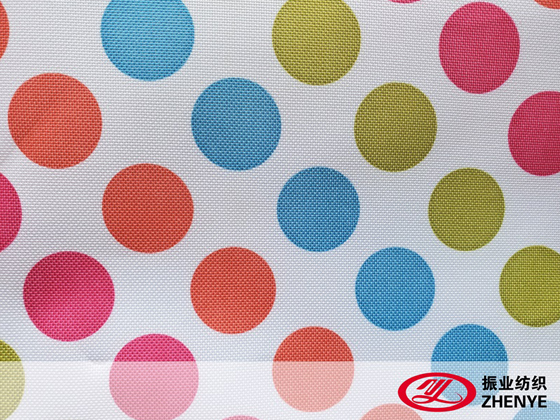
.jpg "600D Double Tone Fabric PVC")
.jpg "1200D Oxford Fabric")
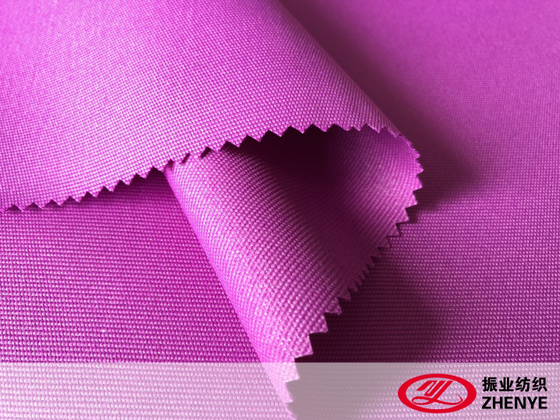
-1.jpg "300D Linen Type Cationic Fabric (PU)")
-1.jpg "ZY-700 300D Linen Type Cationic Fabric PVC")

