

 EN
EN
 English
 Español
 中文
中文Oxford fabric uses a basket-weave construction, specifically a 2×2 basket weave or 2×1 variation. In a standard 2×2 basket weave, two warp yarns cross over two weft yarns simultaneously, creating a checkerboard appearance. This differs from plain weave (1×1), where each warp crosses each weft individually.
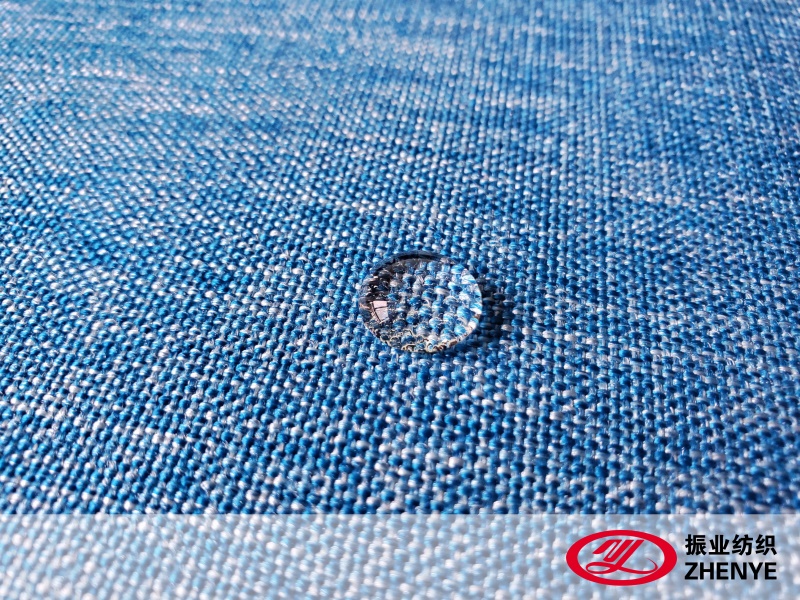
- Yarn spacing: 30 to 50 warp ends per inch and 20 to 40 weft picks per inch, depending on fabric weight
- Crimp percentage: Warp yarns have 8–12% crimp (undulation); weft yarns have 5–8% crimp
- Fabric thickness: 0.25 mm to 1.2 mm for uncoated Oxford; up to 2.0 mm for heavy coated versions
Mechanical effects of basket weave:
Tear strength: Basket weave distributes tearing force across two yarns instead of one, increasing tear resistance by 40–70% compared to plain weave of equivalent yarn size. A typical 600D Oxford fabric (denier = yarn weight in grams per 9,000 meters) has a tear strength of 15–25 N, compared to 10–15 N for plain weave 600D polyester.
Abrasion resistance: The flatter surface of basket weave (reduced yarn protrusion) shows 10–20% better Martindale abrasion cycles than plain weave—typically 15,000–25,000 cycles before yarn breakage.
Stiffness: Basket weave produces higher bending rigidity (2–4 times plain weave) due to yarn interlocking, which helps fabrics hold shape in bag panels or tent floors.
Yarn Materials and Denier Ranges
Oxford fabric is produced from several synthetic and blended yarns. The denier number (D) indicates yarn linear density—higher denier means thicker, heavier yarns.
|
Yarn Material |
Common Denier Range |
Tensile Strength (N per 5 cm strip) |
Abrasion Resistance (Martindale cycles) |
Typical Applications |
|
Polyester (PET) |
150D – 1,800D |
300–800 (warp), 250–700 (weft) |
10,000–25,000 |
Backpacks, luggage, awnings |
|
Nylon (Polyamide 6 or 6.6) |
210D – 1,680D |
400–1,200 (warp), 350–1,000 (weft) |
15,000–40,000 |
Tents, parachutes, military gear |
|
Polyester-cotton blend (65/35) |
300D – 600D |
200–500 |
5,000–12,000 |
Casual bags, aprons, workwear |
|
Recycled polyester (rPET) |
300D – 900D |
250–600 (slightly lower than virgin) |
8,000–18,000 |
Eco-friendly bags, promotional items |
Coating and Lamination Treatments
Many Oxford fabrics intended for water-resistant or waterproof applications receive a coating or laminate on the reverse side (or both sides). The following table compares common treatment types.
|
Coating Type |
Application Method |
Weight Added (g/m²) |
Water Resistance (mmH₂O hydrostatic head) |
Breathability (g/m²/24h, MVTR) |
Typical Durability (flex cycles) |
|
Polyurethane (PU) |
Knife-over-roll coating |
20–60 |
800–3,000 |
500–1,500 |
10,000–20,000 |
|
Acrylic |
Direct coating |
15–40 |
300–1,000 |
800–2,000 |
5,000–10,000 |
|
Polyvinyl chloride (PVC) |
Calendar coating |
100–300 |
5,000–10,000 |
50–200 |
30,000–50,000 |
|
Thermoplastic polyurethane (TPU) |
Extrusion lamination |
40–100 |
2,000–5,000 |
1,000–3,000 |
20,000–40,000 |
|
Silicone (liquid) |
Spread coating |
25–50 |
1,500–3,500 |
3,000–8,000 |
15,000–25,000 |
Coating characteristics in use:
PU coatings offer a balance of water resistance and cost. However, PU hydrolyzes (breaks down) after 3–5 years in humid storage (above 70% RH), becoming sticky or powdery.
PVC coatings provide the higher water resistance but are stiff, heavy, and contain plasticizers that may migrate to the fabric surface over time.
Silicone coatings maintain flexibility at low temperatures (-40°C) and resist UV degradation but are more expensive (2–3× PU) and cannot be heat-sealed.
TPU laminates are non-hydrolyzing and remain flexible for 8–10 years, used in high-end outdoor gear.
Water resistance ratings explained:
A hydrostatic head of 1,000 mmH₂O means a 1-meter column of water (10 kPa pressure) will not penetrate the fabric within a specified time. For reference:
500–1,000 mm: Light rain resistance (umbrella, light bag cover)
1,500–3,000 mm: Moderate rain (backpack, motorcycle cover)
5,000+ mm: Heavy rain and pressure (tent floor, truck tarp)
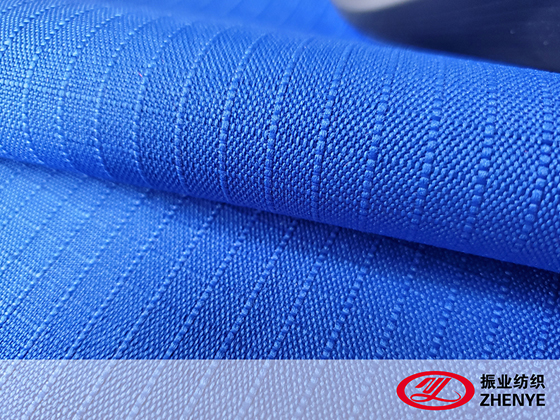
.jpg "600D Oxford Fabric PU (Cross Weave)")
.jpg "1200D Oxford Fabric")
-1.jpg "300D Linen Type Cationic Fabric PVC")
-1.jpg "600D Linen Type Cationic Fabric PVC")
-1.jpg "Linen Type Cationic Fabric Pvc")

