
 EN
 English
 Español
 中文
Purchasing coated textiles in large volumes involves more than checking color, thickness, or surface appearance. For bag manufacturers, outdoor equipment producers, and textile distributors, coating quality directly affects product durability, water resistance, and processing performance. A material that looks consistent during sample evaluation may show different characteristics across production batches without clearly defined inspection requirements.
At Zhenye, we understand that PVC coated oxford fabric procurement requires a clear quality verification process before bulk orders are confirmed. Buyers should establish measurable testing requirements, review laboratory reports, and check sample consistency. Several coating-related tests can help identify potential material issues before production and shipment.
1. Coating Adhesion Testing: Will the PVC Layer Stay Attached?
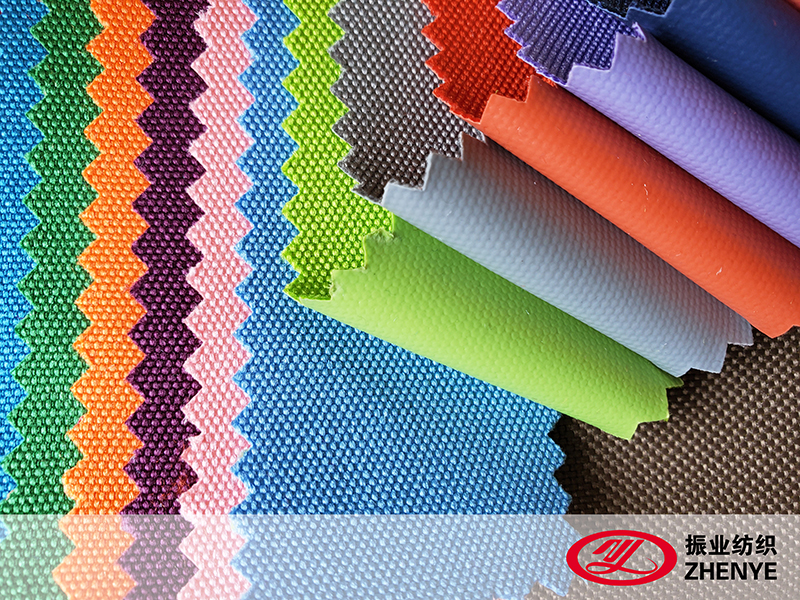
Coating adhesion is an important consideration for PVC-coated Oxford textiles. Poor bonding between the PVC layer and polyester base fabric may cause peeling, separation, or surface damage during repeated handling.
ISO 2411 provides a method for determining the adhesion of coatings to textile substrates. ASTM D751 also includes coating adhesion procedures for coated fabrics.
Buyers should pay attention to the following details:
- Adhesion force: Check the measured force required to separate the coating from the base fabric.
- Testing direction: Request results in the relevant fabric directions.
- Failure appearance: Examine whether separation occurs at the coating-substrate interface or within the material itself.
- Sample consistency: Compare adhesion results across samples from different production batches.
For products exposed to repeated folding, friction, and mechanical stress, stable coating adhesion is particularly important. Buyers should agree on an acceptable adhesion range before approving production.
2. Waterproof Testing: Does the Fabric Meet Application Requirements?
PVC coating is commonly used to improve the water resistance of Oxford fabric. However, the presence of a PVC layer does not automatically guarantee that every fabric construction meets the same waterproofing requirements.
Hydrostatic pressure testing helps evaluate resistance to water penetration. AATCC 127 is a recognized test method for measuring the hydrostatic pressure resistance of textile materials. ASTM D751 also covers relevant procedures for coated fabrics.
During procurement, buyers should confirm:
- The required hydrostatic pressure rating.
- Whether the test applies to one or both coated surfaces.
- Whether samples are tested before or after ageing or other treatments.
- The acceptable water penetration criteria.
Different applications require different waterproofing levels. Outdoor covers, storage bags, and camping equipment may have different exposure conditions. Zhenye recommends defining the intended use before establishing the testing specification.
3. Tensile and Tear Strength: Can the Material Handle Mechanical Stress?
Coating quality alone cannot determine the overall durability of PVC coated Oxford fabric. The polyester base construction also affects its ability to withstand pulling forces and localized damage.
Two mechanical tests deserve attention:
Tensile Strength
ISO 1421 evaluates the tensile properties of rubber- or plastics-coated fabrics. The results indicate the force required to break a specimen under specified conditions. Warp and weft directions should be evaluated separately because their mechanical properties may differ.
Tear Resistance
ISO 4674-1 provides methods for measuring the tear resistance of coated fabrics. This test examines how the material responds to an existing cut or tear under controlled loading conditions.
These measurements help buyers assess whether the selected fabric construction matches the expected load and handling conditions of the finished product. Higher fabric weight alone should not be treated as proof of stronger mechanical performance.
4. Abrasion and Flexibility Testing: How Does the Coating Handle Repeated Use?
Repeated rubbing and folding can gradually affect the surface of PVC-coated materials. Bags, protective covers, and outdoor accessories may experience friction during transportation, storage, and everyday operation.
Buyers can consider additional durability tests:
- Abrasion resistance: ISO 5470-2 provides a Martindale method for evaluating abrasion resistance of coated fabrics.
- Flex resistance: Repeated bending tests help identify coating cracks and surface deterioration.
- Low-temperature flexibility: Testing under specified cold conditions helps assess whether the coating remains suitable for outdoor applications.
The required test conditions should reflect the actual working environment. A fabric intended for indoor storage does not necessarily need the same flexibility requirements as material used in outdoor equipment exposed to seasonal temperature changes.
5. Visual and Dimensional Inspection: Are Production Batches Consistent?
Laboratory performance results should be supported by routine inspection. Differences in coating thickness, color, fabric width, and surface finish can create difficulties during downstream cutting and sewing operations.
Before bulk shipment, buyers should establish inspection criteria covering:
- Fabric weight in GSM and thickness.
- Usable width and roll length.
- Color consistency against the approved reference sample.
- Coating uniformity, pinholes, scratches, and visible defects.
- Roll identification, batch numbers, and packaging condition.
Consistent sampling and documented inspection records make it easier to identify production variations. Buyers should also specify sampling frequency and acceptable defect levels rather than relying entirely on visual approval.
6. What Should Buyers Include in a Pre-Order Testing Agreement?
A detailed quality agreement helps both the fabric manufacturer and purchasing team understand the expected material performance. At Zhenye, we recommend confirming technical requirements before production begins.
A practical pre-order checklist includes:
- Base fabric composition, yarn specification, and fabric weight.
- PVC coating type, thickness, and finishing requirements.
- Required adhesion, waterproof, tensile, and tear resistance results.
- Applicable ISO, ASTM, or AATCC testing methods.
- Approved sample specifications and color references.
- Batch inspection procedures and laboratory report requirements.
Buyers should also clarify whether testing will be performed internally or by an independent laboratory. Test reports should identify the tested material, applicable method, specimen conditions, results, and production batch wherever applicable.
Establish Testing Requirements Before Bulk Procurement
Reliable PVC coated Oxford fabric procurement depends on measurable quality requirements rather than appearance alone. Coating adhesion, hydrostatic pressure, tensile strength, tear resistance, abrasion, and dimensional consistency each provide different information about material performance.
At Zhenye, we encourage bag manufacturers, outdoor product producers, and textile distributors to communicate their application requirements before confirming large-volume orders. Clear specifications and approved samples provide a practical foundation for production inspection and material acceptance. Contact our team to discuss fabric construction, coating requirements, and suitable testing arrangements for your next sourcing project.