
 EN
EN
 English
 Español
 中文
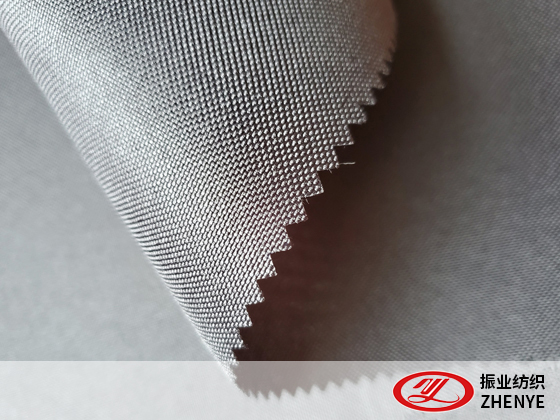
中文300D fabric, where "D" stands for denier, refers to a specific weight classification of textile material. Denier is a unit of measurement that indicates the linear mass density of fibers, with higher numbers representing thicker, heavier yarns. 300D fabric occupies a middle ground in the textile market—heavier than lightweight linings but lighter than heavy-duty upholstery or industrial fabrics. This material has established specific market positions across multiple industries due to its balance of durability, weight, and cost.

Material Composition and Variations
300D fabric is not a single material but rather a specification that can be applied to various fiber types. The denier measurement describes the yarn thickness, while the fiber composition determines many of the fabric's performance characteristics.
Polyester 300D: This is the common form of 300D fabric in the market.
Polyester offers good strength, dimensional stability, and resistance to stretching and shrinking.
It has resistance to UV degradation compared to some other synthetics, making it suitable for outdoor applications.
The material dries quickly and resists mildew, which is advantageous for luggage and outdoor gear.
Polyester 300D can be produced in various finishes, including matte, shiny, and textured surfaces.
It accepts printing well, allowing for detailed patterns and branding on finished products.
Nylon 300D: Nylon variants offer different properties that suit specific applications.
Nylon is generally stronger than polyester of equivalent denier, providing higher tear and abrasion resistance.
It has greater elasticity, which can be advantageous for applications requiring some stretch or conformability.
Nylon absorbs more moisture than polyester, which can affect drying time and dimensional stability in humid conditions.
It is typically more expensive than polyester, limiting its use to applications where its specific properties justify the cost.
Nylon 300D is often used in higher-end luggage, backpacks, and military-style equipment.
Polyester-Cotton Blends: Some 300D fabrics incorporate cotton or other natural fibers.
Blending with cotton improves breathability and alters the hand feel (texture) of the fabric.
These blends are less common in technical applications but appear in some apparel and home furnishing uses.
Cotton content increases moisture absorption and may reduce durability compared to synthetic fabrics.
Coatings and Finishes: 300D fabrics often receive additional treatments that modify their properties.
PU (Polyurethane) coating: Applied to the back of the fabric to improve water resistance and add stiffness. Common in luggage and bags.
PVC (Polyvinyl Chloride) coating: Provides greater water resistance and durability but adds weight and reduces flexibility. Used in industrial applications and some outdoor gear.
Water-repellent finishes: Durable water repellent (DWR) treatments cause water to bead and roll off the fabric surface.
Flame-retardant treatments: Applied for applications requiring compliance with fire safety standards.
Key Market Applications
300D fabric has established itself in several distinct market segments, each with specific requirements and performance expectations.
Luggage and Bags: This is perhaps the largest market for 300D fabric.
Backpacks and school bags: 300D provides sufficient durability for everyday use while remaining lightweight enough for comfortable carrying. It is often used for the main body, with heavier fabrics (600D or 1000D) for high-wear areas like the base.
Laptop bags and briefcases: The fabric offers adequate protection for electronic devices while maintaining a professional appearance. Coated versions provide water resistance.
Duffel bags and sports bags: 300D balances weight and durability for gym bags and travel duffels. It is often combined with heavier materials for stress points.
Trolley cases and suitcases: Many soft-sided suitcases use 300D polyester for the main panels, sometimes with reinforcing at corners and edges.
Outdoor and Camping Equipment: The outdoor industry utilizes 300D fabric for various applications.
Tents: 300D is used for tent bodies and floors in some models, particularly entry-level to mid-range products. Higher-end tents may use lighter fabrics for weight reduction.
Backpacks: Outdoor backpacks often use 300D for the main body, with heavier fabrics for the base and areas subject to abrasion.
Camp chairs and accessories: Portable furniture often incorporates 300D fabric for seat panels and storage pockets.
Promotional Products and Corporate Gifts: The printability of 300D polyester makes it popular for customized items.
Promotional bags: Tote bags, conference bags, and trade show giveaways are frequently made from 300D polyester with printed company logos.
Custom coolers: Soft-sided cooler bags often use coated 300D polyester for the exterior, providing durability and printability.
Industrial and Workwear: Some industrial applications specify 300D fabric.
Tool bags and equipment cases: The fabric provides adequate durability for tools and equipment in professional trades.
Workwear pockets and reinforcements: Some workwear incorporates 300D fabric for pockets or areas subject to high wear.
Automotive and Transportation: Limited applications exist in vehicle interiors and accessories.
Cargo organizers and nets: 300D fabric is used for some aftermarket cargo management products.
Seat covers: Some entry-level seat covers use 300D fabric, though heavier materials are more common for durability.
Regional Market Dynamics
The production and consumption of 300D fabric vary significantly by region, reflecting local manufacturing capabilities and market demands.
China as Primary Producer: China dominates global production of 300D polyester fabric.
Massive manufacturing capacity allows economies of scale that keep prices competitive.
Vertical integration from fiber production to finished fabric is common, reducing costs and lead times.
Environmental regulations in China have affected production costs in recent years, with some consolidation among smaller manufacturers.
Major production centers include Zhejiang, Jiangsu, and Fujian provinces.
Other Asian Producers: Vietnam, Bangladesh, and India have growing textile industries producing 300D fabric.
These countries often focus on specific market segments or finishing processes rather than competing on volume with China.
Labor costs in some of these countries are lower than in coastal China, attracting investment.
Trade agreements with Western markets influence sourcing decisions, with some buyers diversifying away from China.
Consumption Patterns:
North America: Significant importer of finished goods made from 300D fabric, particularly luggage, bags, and outdoor equipment. Domestic production of 300D fabric is minimal.
Europe: Similar to North America, Europe imports large quantities of finished goods. Sustainability and chemical compliance (REACH) are important considerations in sourcing.
Southeast Asia: Growing consumer markets and manufacturing bases create both consumption and production of 300D fabric within the region.
Middle East and Africa: Emerging markets with increasing consumption of luggage and promotional items made from 300D fabric.
Price Factors and Market Trends
The pricing of 300D fabric responds to multiple factors, and several trends are shaping its market position.
Raw Material Costs: Polyester and nylon are petroleum-derived, so oil prices influence base material costs.
Fluctuations in crude oil prices affect the cost of polyester chips and nylon polymers.
Currency exchange rates impact international trade, particularly for buyers importing from producing countries.
Recycled polyester (rPET) has gained market share, with prices sometimes higher than virgin material due to processing costs.
Manufacturing and Labor Costs:
Automation in weaving and finishing has reduced labor content in fabric production.
Energy costs affect production expenses, particularly for processes requiring heat setting or coating.
Environmental compliance costs have increased in some regions, affecting overall pricing.
Sustainability Trends:
Recycled 300D polyester: Made from post-consumer PET bottles or post-industrial waste, recycled polyester has grown significantly in market share. Major brands have committed to increasing recycled content in their products.
Certifications: Standards such as Global Recycled Standard (GRS) and OEKO-TEX influence sourcing decisions, particularly for European and North American buyers.
Circular economy considerations: Design for recyclability and end-of-life disposal are becoming factors in material selection.
Supply Chain Developments:
The COVID-19 pandemic highlighted vulnerabilities in global supply chains,some buyers to diversify sourcing or increase inventory.
Near-shoring trends have been modest for 300D fabric, with production remaining concentrated in Asia.
Digitalization of supply chains has improved transparency and reduced lead times for some buyers.
Quality Considerations and Specifications
Buyers of 300D fabric must consider several quality parameters that affect performance and suitability for specific applications.
Fabric Construction:
Weave type: 300D fabric is available in various weaves including plain, twill, and oxford. Oxford weave is particularly common for bags and luggage due to its texture and durability.
Thread count: The number of warp and weft yarns per inch affects fabric density, hand feel, and performance.
Ripstop versions: Some 300D fabrics incorporate reinforcement threads at regular intervals to prevent tear propagation, common in outdoor applications.
Coating and Lamination Quality:
Coating adhesion affects durability and water resistance. Poor adhesion can result in delamination over time.
Coating thickness varies by application, with heavier coatings providing better water resistance but reducing flexibility.
Lamination to other materials (such as foam for padding) requires consistent quality control.
Color Consistency and Fastness:
Dye lot consistency is important for products requiring multiple panels or subsequent production runs.
Lightfastness (resistance to fading) varies with dye quality and is particularly important for outdoor applications.
Crocking (color transfer through rubbing) can be an issue with poorly dyed fabrics.
Testing and Standards:
Tensile strength: Measures resistance to pulling forces.
Tear strength: Particularly important for outdoor and luggage applications.
Abrasion resistance: Affects durability in high-wear applications.
Hydrostatic head: Measures water resistance of coated fabrics.
Flammability: Required for certain applications and jurisdictions.
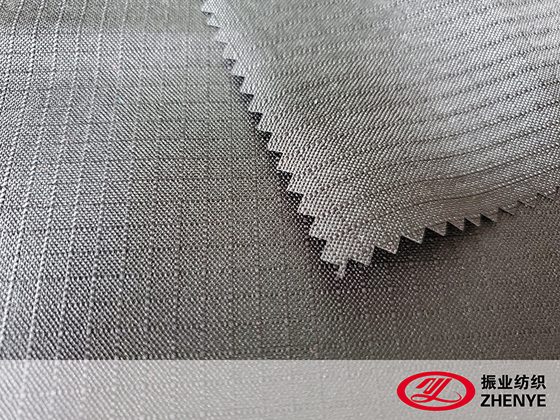
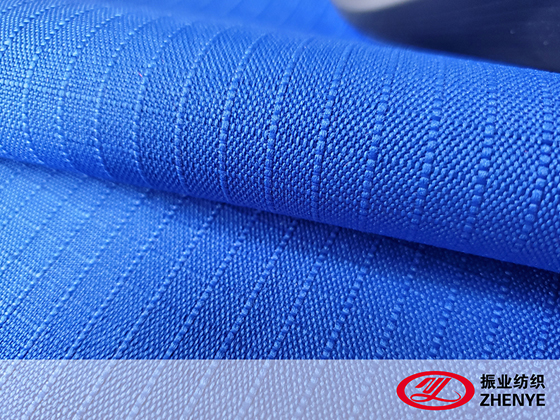
-1.jpg "1000D Linen Type Cationic Fabric (WR)")
-1.jpg "600D Linen Type Cationic Fabric (WR)")
-2.jpg "ZY-5768 600D Linen Type Cationic Fabric (WR)")