

 EN
EN
 English
 Español
 中文
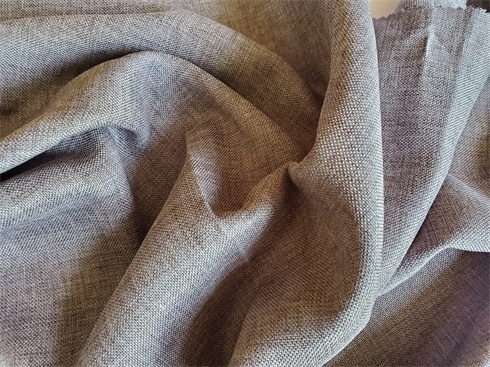
中文600D fabric is a type of polyester or nylon textile widely used in manufacturing bags, luggage, outdoor gear, and protective covers. The "600D" designation refers to the denier count of the threads used, indicating a medium-to-high weight and thickness suitable for durable applications. Its combination of strength, affordability, and versatility has contributed to its widespread use in consumer and industrial markets.
Applications of 600D Fabric
600D fabric is used in a wide range of products due to its strength, resistance to wear, and adaptability to different manufacturing processes. Common applications include:
Bags and luggage
Backpacks, travel bags, and handbags often use 600D fabric for its balance of durability and flexibility.
Reinforced stitching and coatings enhance water resistance for outdoor and travel use.
Outdoor equipment
Tents, awnings, and camping gear benefit from 600D fabric for its ability to withstand friction and moderate exposure to weather.
Can be used in outdoor furniture covers and protective cases for electronics.
Sporting goods
Gym bags, sports backpacks, and equipment pouches often use 600D fabric due to its ability to support moderate weight without tearing.
Protective covers
Car, motorcycle, or bicycle covers use 600D fabric with coatings for water resistance.
Industrial protective cases and tool bags utilize the fabric for its strength.
Pet accessories
Pet carriers, harnesses, and bedding may include 600D fabric for durability and ease of cleaning.
This range of applications demonstrates the versatility of 600D fabric and its suitability for products that require moderate strength and long-term usability.
Characteristics Supporting Market Popularity
Several practical characteristics contribute to the widespread adoption of 600D fabric:
Durability and strength
Able to resist abrasion, tearing, and stretching under normal use conditions.
Suitable for items that undergo frequent handling, such as backpacks and luggage.
Water and stain resistance
Often coated with polyurethane (PU) or polyvinyl chloride (PVC) to provide water resistance.
Coatings improve resistance to stains, moisture, and light exposure.
Lightweight
Compared to higher denier fabrics (e.g., 1000D or 1200D), 600D provides strength without significantly increasing weight.
Offers a balance suitable for consumer products requiring portability.
Ease of manufacturing
Compatible with various sewing techniques and cutting methods.
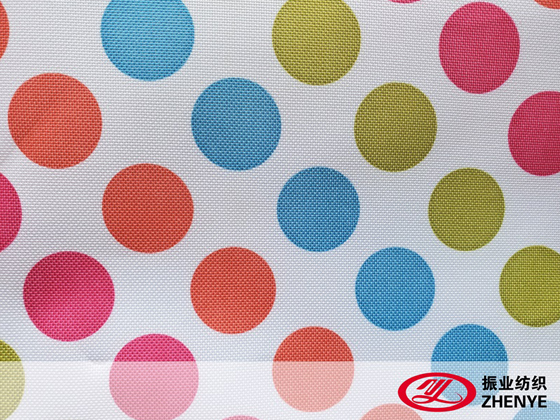
Can be printed, dyed, or laminated with additional layers for extra functionality.
Cost-effective
Provides durability at a lower price than heavier fabrics, making it attractive for both manufacturers and consumers.
These features make 600D fabric a practical choice for manufacturers looking to balance strength, cost, and usability.
Market Factors Supporting Popularity
Several market trends and factors help explain the increasing use of 600D fabric:
Consumer demand for durable everyday products
Bags, backpacks, and cases require materials that last under repeated use.
600D fabric supports this need without increasing overall product weight.
Versatility across industries
From outdoor gear to pet products, 600D fabric meets multiple industry requirements.
Reduces the need for multiple specialized materials in production.
Availability and supply
Polyester and nylon 600D fabrics are widely manufactured and readily available in bulk.
Facilitates large-scale production and reduces lead times for manufacturers.
Customization and finishing options
Can be coated, laminated, or printed with logos, designs, or protective layers.
Supports brand differentiation and marketing efforts in consumer goods.
Affordability for mass-market products
Offers a balance of cost and performance suitable for mid-range consumer products.
Helps brands provide value-oriented options without compromising basic durability.
These factors collectively explain the broad adoption of 600D fabric in multiple product categories.
-1.jpg "300D Oxford Fabric")
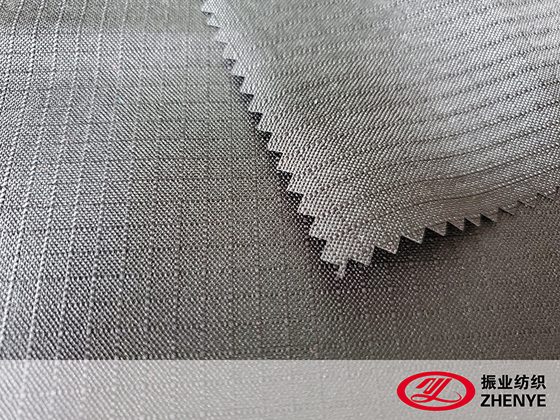
.jpg "600D Oxford Fabric PU (Cross Weave)")
.jpg "600D Oxford Fabric PU (WR) ZY-501")
-1.jpg "300D Linen Type Cationic Fabric PVC")

