

 EN
EN
 English
 Español
 中文
中文A bag may still have strong stitching, reliable zippers, and durable webbing, yet the fabric surface starts flaking or separating after only a short period of use. This problem frustrates both consumers and brands because peeling often appears long before the structural fabric wears out.
Contrary to popular belief, the woven fabric itself is rarely the source of failure. Polyester, nylon, and Oxford fabrics generally maintain their strength for years. The visible damage usually comes from the coating or laminated layer bonded to the fabric. Moisture, ultraviolet radiation, repeated bending, unsuitable storage conditions, and manufacturing variables all contribute to this process. Hydrolysis of polyurethane (PU) coatings and delamination between layers are among the primary causes reported across the bag industry.
Understanding these factors helps buyers compare materials more accurately and allows every bag fabric manufacturer to improve product performance through better material selection and production control.
Peeling Rarely Starts with the Fabric Itself
Many people assume the woven textile has failed. Reality is quite different. Common bag fabrics such as:
- 210D Polyester
- 420D Nylon
- 600D Oxford Fabric
- 1000D Oxford Fabric
can maintain their tensile strength long after peeling becomes visible.
The coating bonded to the back or front surface usually deteriorates earlier than the woven base. Once this layer loses adhesion, cracking, bubbling, or flaking begins to appear.
Hydrolysis Is a Common Cause of PU Coating Failure
PU-coated fabrics are widely used because they combine water resistance with flexibility. Typical coating thickness ranges include:
- PU 300–500 mm water resistance
- PU1000
- PU1500
- PU3000 for outdoor products
Although these coatings perform well, polyurethane gradually reacts with moisture in humid environments. This chemical reaction, known as hydrolysis, slowly breaks polymer chains inside the coating. Instead of remaining flexible, the surface becomes harder and more brittle until cracks develop and pieces separate from the fabric. Storage under warm and humid conditions accelerates this process considerably.
UV Radiation Gradually Weakens Polymer Coatings
Outdoor bags frequently experience prolonged sunlight exposure. Ultraviolet rays continuously attack polymer molecules, producing several visible changes:
- Loss of flexibility
- Surface chalking
- Color fading
- Fine cracks before peeling begins
Dark-colored bags exposed inside vehicles or near windows often age faster because higher temperatures accelerate oxidation. Combined UV and heat exposure shortens coating life even though the woven fabric underneath remains intact.
Repeated Flexing Places Stress on the Bonding Layer
Every opening, closing, folding, and carrying action bends the same locations repeatedly. High-stress zones include:
- Top handles
- Shoulder strap connections
- Bottom corners
- Zipper panels
Each bending cycle creates microscopic stress between the coating and textile substrate. Over thousands of cycles, tiny separations gradually expand until visible delamination develops. Once peeling starts, it generally spreads across surrounding areas because the bonding layer has already weakened.
Material Quality Makes a Significant Difference
Two fabrics with identical specifications may perform very differently. Both products may be labeled:
- 600D Oxford
- PU coated
- Water resistant
Yet several manufacturing variables influence durability. Important quality factors include:
- Polyurethane formulation
- Adhesive compatibility
- Coating uniformity
- Curing temperature
- Fabric surface preparation
- Quality inspection standards
Better control of these parameters creates stronger adhesion between coating and textile, reducing the possibility of early peeling.
PVC and PU Do Not Age in the Same Way
Bag buyers often compare PU and PVC coatings.
Each material has different characteristics.
| Property | PU | PVC |
| Flexibility | Higher | Moderate |
| Cold resistance | Better | Depends on plasticizer |
| Weight | Lighter | Slightly heavier |
| Typical aging | Hydrolysis | Plasticizer migration, brittleness |
Laboratory Testing Can Reveal Long-Term Performance
Professional testing provides useful indicators before products enter mass production. Frequently used evaluations include:
- Hydrolysis resistance testing
- Accelerated UV aging
- Peel adhesion strength
- Flex resistance testing
- Abrasion resistance
- Temperature cycling
Peel adhesion values above approximately 2.0 N/mm generally indicate stronger bonding than lower measurements, although exact requirements vary by product category and testing standard. These evaluations help manufacturers predict coating durability before products reach customers.
Storage Conditions Also Influence Service Life
Usage is only one part of the equation. Long-term storage affects coated fabrics as well. Several habits help preserve material quality:
- Store bags in dry, ventilated environments.
- Avoid sealed plastic containers with trapped moisture.
- Keep products away from prolonged direct sunlight.
- Reduce exposure to high interior vehicle temperatures.
- Clean surfaces with mild cleaners instead of strong solvents.
Industry discussions also show that prolonged storage under very humid or very dry conditions can accelerate coating degradation, particularly on PU-coated products.
What Should Buyers Ask Before Ordering?
Rather than focusing only on denier or color, buyers can request additional technical information. Useful questions include:
- What coating material is applied?
- Has hydrolysis resistance been tested?
- What peel strength values are available?
- Which UV aging standard has been used?
- Can laboratory reports be provided?
A knowledgeable bag fabric manufacturer should be able to explain coating systems, testing procedures, and expected application ranges rather than relying solely on fabric weight or denier specifications.
Surface peeling is rarely caused by weak woven fabric alone. Much more often, it reflects gradual changes occurring within coatings, adhesives, or laminated structures throughout the product's service life. Material formulation, processing quality, environmental exposure, and storage conditions all influence how rapidly visible deterioration appears.
Looking beyond basic specifications such as "600D" or "PU coated" gives buyers a clearer picture of long-term durability. Comparing coating technology, laboratory testing data, and manufacturing consistency provides a more reliable basis for evaluating bag materials intended for everyday use or demanding outdoor applications.
.jpg "600D Oxford Fabric PU (Cross Weave)")
.jpg "600D Oxford Fabric PU (Plain weave)")
.jpg "1000D Oxford Fabric PU (WR)")
-1.jpg "300D Linen Type Cationic Fabric (PVC)")
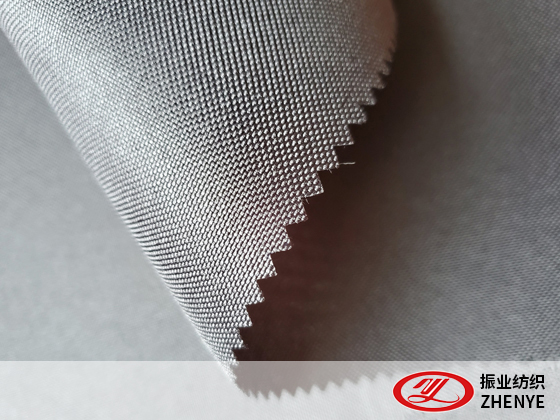
-1.jpg "Linen Type Cationic Fabric Pvc")

