
 EN
EN
 English
 Español
 中文
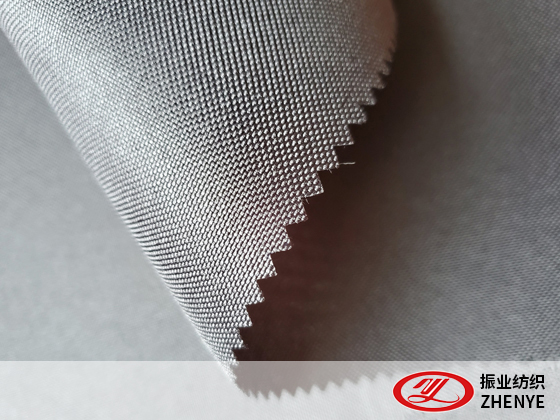
中文The demand for functional textiles is expanding as products need stronger protection, longer service life, and reliable performance in different environments. Traditional fabric applications are now moving into new fields, creating more opportunities for coated materials with specialized properties. PVC Coated Polyester Oxford Fabric has become a practical option for products that require water resistance, surface protection, and structural stability.
Combining a polyester woven base with a PVC protective layer creates a material that performs well in outdoor and industrial applications. The polyester structure provides mechanical strength, while the PVC coating improves resistance against moisture, abrasion, and external exposure. This combination allows designers to develop products that balance durability with functional requirements.
The Material Structure Behind PVC Coated Polyester Oxford Fabric
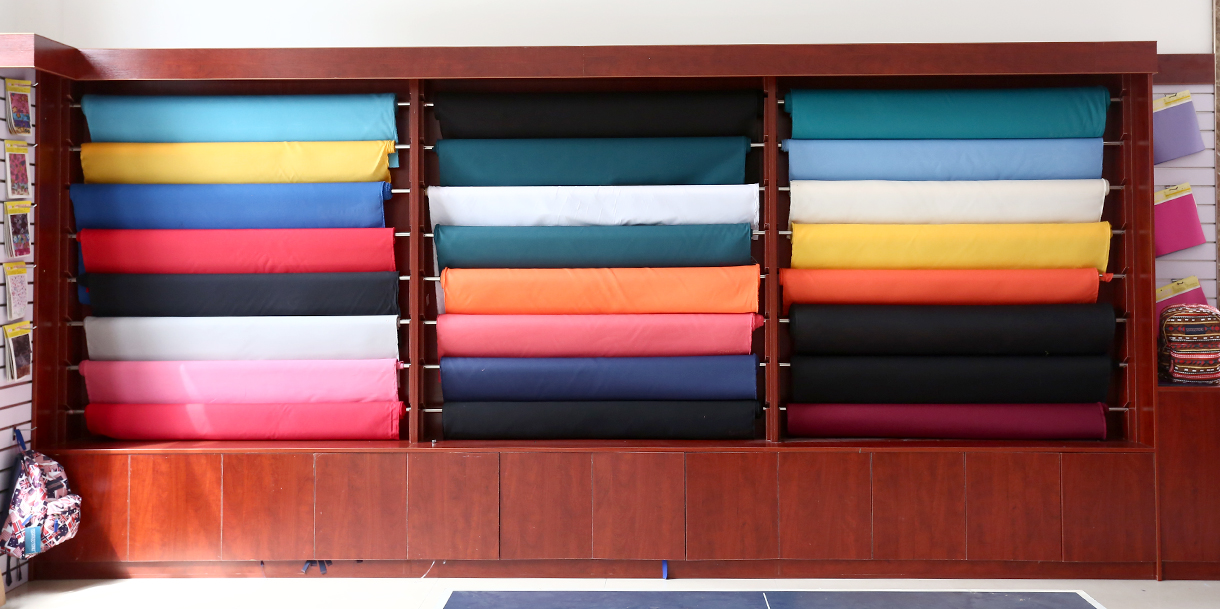
The performance of coated Oxford fabric comes from the interaction between the textile foundation and the surface coating. Polyester yarns create a stable woven structure, while PVC finishing adds an additional protective barrier.
A typical PVC coated polyester fabric consists of several important components:
- Polyester woven layer: Provides tensile strength, dimensional stability, and resistance to daily stress.
- Oxford weave structure: Creates a firm surface texture and supports long-term usage.
- PVC coating layer: Enhances waterproof performance, surface hardness, and resistance against environmental factors.
Compared with uncoated polyester fabrics, coated materials offer additional protection against rain, dust, and repeated contact. The coating thickness and formulation can be adjusted according to different product requirements.
Technical Features Supporting New Product Applications
Modern product developers are looking for materials that can perform across multiple environments. PVC coated polyester Oxford fabric provides several technical advantages that make it suitable for outdoor and protective products.
| Feature | Typical Specification | Application Value |
| Base Material | Polyester | Provides strength and dimensional stability |
| Coating Type | PVC coating on one or both sides | Improves water resistance and surface protection |
| Fabric Weight | Approx. 200–600 GSM depending on construction | Supports lightweight and heavy-duty product designs |
| Denier Options | 300D, 600D, 900D, 1000D and customized options | Matches different durability requirements |
| Surface Finish | Glossy, matte, embossed, printed | Expands appearance possibilities |
The ability to customize thickness, texture, and finishing treatment allows this material to adapt to various product categories. Heavy coating versions are commonly used where stronger protection is required, while lighter constructions provide easier handling.
Beyond Traditional Covers: Expanding Product Possibilities
PVC coated polyester materials were traditionally associated with covers, tarpaulins, and outdoor protection products. Today, designers are exploring new applications that require both functional performance and attractive appearance.
Growing Application Areas
- Outdoor furniture products: Used for patio covers, storage covers, and protective accessories that need resistance against rain and sunlight.
- Vehicle protection solutions: Applied in truck covers, equipment covers, and transportation protection products.
- Travel and lifestyle products: Used in luggage components, tool bags, and durable storage products.
- Industrial protection systems: Suitable for temporary structures, protective curtains, and heavy-use environments.
The combination of waterproof performance and structural strength allows PVC coated polyester fabrics to move beyond simple protective materials and become part of product design strategies.
How PVC Coating Changes Fabric Performance
The coating process significantly influences how polyester Oxford fabric behaves during use. A PVC layer creates a denser surface that reduces water penetration and improves resistance against external contact.
Important performance improvements include:
- Waterproof protection: The coated surface helps prevent moisture from entering the fabric structure.
- Abrasion resistance: The additional layer helps protect against friction during repeated handling.
- Easy cleaning: The smooth coated surface makes dust and stains easier to remove.
- Shape retention: The reinforced structure helps products maintain their original form during use.
PVC Coated Polyester Fabric Compared with PU Coated Oxford Fabric
Both PVC and PU coatings are widely used to improve Oxford fabric performance, but they provide different characteristics. Understanding these differences helps designers match materials with specific product needs.
| Comparison Item | PVC Coated Polyester Oxford Fabric | PU Coated Oxford Fabric |
| Surface Feel | More structured and protective | Softer and more flexible |
| Water Resistance | Strong waterproof performance | Suitable for lightweight waterproof applications |
| Durability | Suitable for heavy-use products | Suitable for products requiring flexibility |
| Common Applications | Covers, outdoor equipment, industrial products | Bags, tents, lightweight outdoor items |
PVC coatings are often chosen for products that require stronger surface protection, while PU coatings are commonly preferred where flexibility and lighter weight are important factors.
Design Trends Driving New Material Development
Product development is moving toward multifunctional fabrics that combine protection, appearance, and practical usability. Customers increasingly expect outdoor products to withstand changing weather while maintaining a clean and modern design.
PVC coated polyester Oxford materials support these trends through various customization possibilities:
- Color customization: Allows products to match different brand styles and market preferences.
- Surface patterns: Embossing and texture treatments create different visual effects.
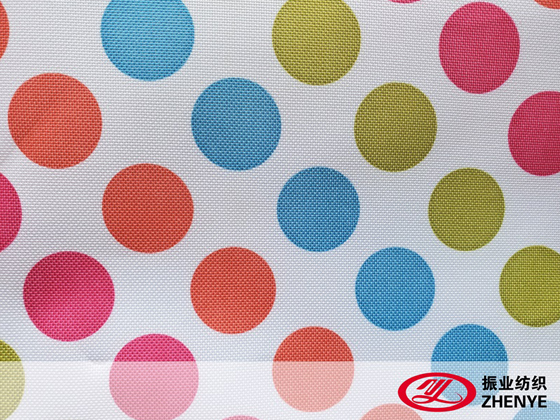
- Functional finishes: Additional treatments can improve UV resistance, flame resistance, or special performance requirements.
Future Opportunities for PVC Coated Polyester Materials
As industries continue searching for durable and adaptable materials, coated polyester textiles will remain an important choice across multiple product categories. Their ability to combine a strong woven foundation with protective surface technology creates new possibilities for outdoor equipment, commercial products, and everyday accessories.
The development of PVC coated polyester Oxford fabric shows how traditional textile structures can evolve through advanced finishing methods. By improving water resistance, durability, and design flexibility, this material continues to support innovative product concepts across different markets.
From protective covers to modern lifestyle products, PVC coated polyester materials demonstrate that functional textiles can offer both reliable performance and creative design potential.
.jpg "300D Oxford Fabric PU")
.jpg "600D Oxford Fabric PU (WR) ZY-501")
-1.jpg "300D Linen Type Cationic Fabric PVC")
-1.jpg "ZY-588 300D Linen Type Cationic Fabric (WR)")