

 EN
EN
 English
 Español
 中文
中文PVC fabric is a versatile material widely used in various industries, including fashion, construction, automotive, and outdoor applications. It is derived from PVC, a durable plastic polymer, which is combined with different textiles to produce fabrics that offer unique qualities. PVC fabrics are known for their strength, water resistance, flexibility, and ease of maintenance.
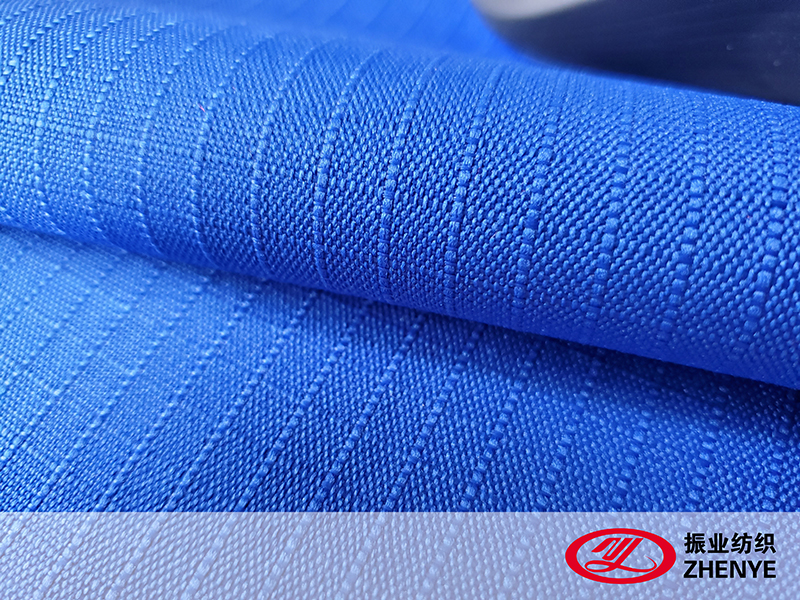
Durability and Strength
PVC fabric is renowned for its durability and strength, which are among its significant advantages. The fabric itself is made by combining PVC with a base material, often polyester or nylon, resulting in a product that is both lightweight and strong. This combination ensures that PVC fabrics can withstand mechanical stress, physical wear, and abrasion, making them ideal for a wide range of demanding applications.
The inherent strength of PVC fabric makes it suitable for heavy-duty uses like tarps, banners, and upholstery. In addition to being tear-resistant, the material is also highly resistant to punctures and abrasions, ensuring that it remains intact even when exposed to rough handling or harsh environments. Whether used in industrial applications or outdoor settings, PVC fabric can maintain its integrity even under challenging conditions, making it a preferred material for long-lasting products.
Moreover, PVC fabric can be reinforced with additional layers or coatings to further enhance its durability. This added reinforcement is often used in applications where extra strength is necessary, such as for vehicle covers, tents, or protective coatings. The result is a material that can handle heavy use and perform well in harsh environments without losing its form.
Weather and Water Resistance
One of the notable characteristics of PVC fabric is its exceptional resistance to weather elements, particularly water. The PVC coating on the fabric creates a waterproof barrier, preventing water from soaking into the material. This makes PVC fabric an good choice for applications in outdoor environments or areas where exposure to moisture is common.
Whether used for outdoor furniture covers, tents, or boat tarps, PVC fabric can resist heavy rainfall and maintain its shape without degrading over time. Its water resistance also prevents mildew and mold growth, which can be a concern with other fabrics, especially those used in humid or wet environments. This makes PVC fabric ideal for outdoor and marine applications, where protection from the elements is essential.
In addition to its water resistance, PVC fabric is also highly resistant to UV rays. The material's ability to withstand prolonged exposure to sunlight without fading or weakening adds to its appeal in outdoor settings. Whether it's a patio awning, sunshade, or outdoor banner, PVC fabric can maintain its color and integrity despite constant exposure to the sun, providing long-lasting protection and performance.
Versatility in Applications
PVC fabric is incredibly versatile, making it suitable for a wide variety of applications across multiple industries. Its flexibility allows it to be molded into different shapes and sizes, allowing manufacturers to create products that meet specific needs. Whether it's used in fashion, construction, automotive, or industrial sectors, PVC fabric offers adaptable solutions for many different purposes.
In fashion, PVC fabric is often used to create stylish waterproof garments, such as raincoats, boots, and outerwear. Its shiny, smooth surface gives it a unique, contemporary look, making it a popular material for trendy clothing and accessories. The flexibility of PVC also allows it to be used for custom designs and bold patterns, giving it an edge in creative industries.
PVC fabric is commonly used for tarps, tents, and canopies, offering durability and weather resistance to protect workers and materials on-site. The strength and durability of PVC make it ideal for temporary structures, providing shelter from rain, snow, or wind. In the automotive industry, PVC fabric is often used for car upholstery and convertible roofs due to its durability and resistance to wear. It is also utilized in the creation of protective covers for vehicles, providing an added layer of protection against environmental elements.
Ease of Maintenance
One of the key advantages of PVC fabric is its ease of maintenance. Unlike other fabrics that require delicate care and frequent cleaning, PVC fabric is relatively low-maintenance and easy to clean. Its smooth, non-porous surface prevents dirt and grime from being absorbed, making it easy to wipe down and keep clean with minimal effort.
In industrial and outdoor settings, where exposure to dirt, dust, and pollutants is common, PVC fabric stands out for its ability to resist staining and its simple cleaning process. Many stains and dirt can be removed with a damp cloth, while more stubborn spots may require a gentle cleaning solution. This ease of maintenance makes PVC fabric an ideal choice for applications where regular cleaning and upkeep are essential, such as for outdoor furniture covers, tents, or boat covers.
Because PVC fabric is water-resistant and does not absorb moisture, it is less likely to develop issues like mold or mildew, which can be a concern with other fabrics. This feature not only contributes to its longevity but also reduces the need for constant maintenance or treatment, making it an efficient choice for both residential and commercial use.
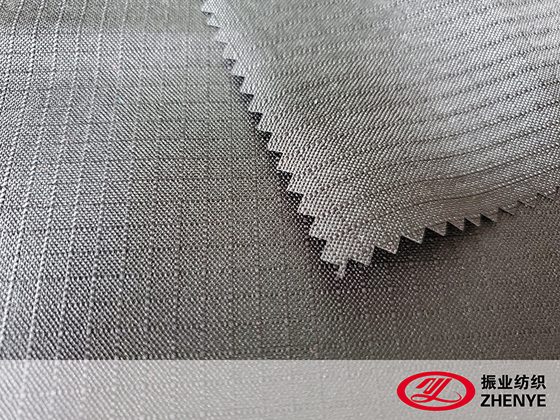
.jpg "600D Oxford Fabric PVC Coating (plain)")
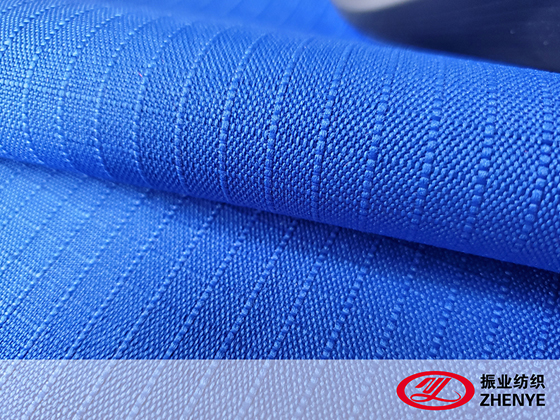
-2.jpg "Linen Type Cationic Fabric PVC")
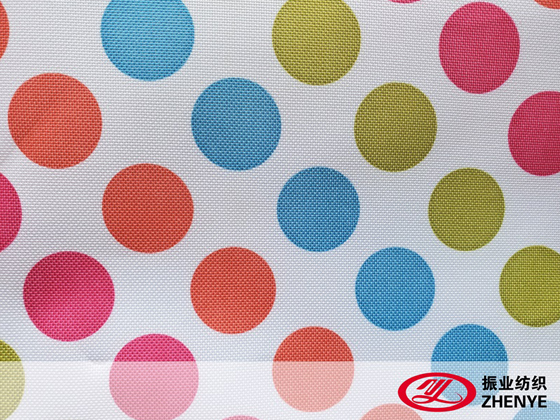
-1.jpg "300D Linen Type Cationic Fabric PVC")

