

 EN
EN
 English
 Español
 中文
中文PU fabric has several notable disadvantages. One of the significant is its durability under long-term use. While PU leather can initially look similar to genuine leather, it tends to wear out faster. Repeated bending and friction can cause the surface to crack or peel, especially in high-wear areas such as seats, bags, and clothing joints.
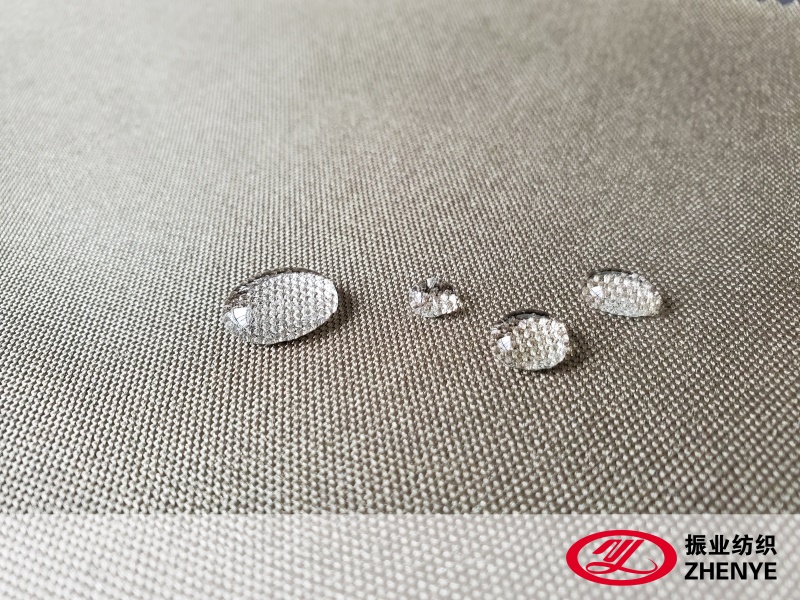
PU fabric can deform or melt when exposed to high temperatures, such as direct sunlight, heating vents, or ironing. This limits its suitability for environments with strong heat exposure and requires careful handling during cleaning and storage.
Breathability is also a common concern. PU fabric is less breathable than natural leather or textiles, which can cause discomfort in warm conditions, especially for clothing and upholstery. In addition, the fabric may trap heat and moisture, increasing the risk of odor buildup.
Finally, PU fabric's environmental impact is a concern. The production process involves petrochemical materials and can release volatile organic compounds (VOCs). Although some manufacturers now use water-based PU or recycled materials, conventional PU still has a larger environmental footprint than natural fibers.
PU Fabric: How to Understand It Correctly
To correctly understand PU fabric, it is important to recognize its intended use and performance characteristics.
PU is a synthetic alternative, not real leather
PU fabric mimics the appearance of leather but does not have the same structure or aging properties. It will not develop the natural patina of genuine leather.
Performance depends on coating and thickness
The quality of PU fabric varies based on the thickness of the PU layer, the base fabric, and the finishing process. Higher-quality PU uses thicker coatings and stronger base materials.
Understand its suitable applications
PU fabric is suited for products where appearance and cost are priorities, such as fashion accessories, furniture upholstery, and interior decorations.
Expect limited longevity in high-stress use
In high-friction or high-flex areas, PU is more likely to crack over time compared with genuine leather or high-quality textiles.
Know the maintenance requirements
PU fabric is relatively easy to clean, but it should not be exposed to high heat or harsh chemicals. Mild cleaning agents and soft cloths are recommended.
Consider environmental factors
PU is not fully biodegradable. Choosing PU products with water-based coatings or recycled content can reduce environmental impact.
PU Fabric in Fashion and Accessories
PU fabric is commonly used in clothing, bags, and footwear due to its cost efficiency and leather-like appearance. It allows designers to create products with a stylish finish while maintaining a lower price point than genuine leather. For accessories such as wallets and belts, PU offers a lightweight alternative and provides consistent color and texture.
However, for frequently worn items such as shoes or jackets, PU may show signs of wear sooner. Bending and friction can cause surface cracking, especially in areas that undergo repeated movement. For consumers, this means PU products may require more frequent replacement or careful use to maintain appearance.
PU Fabric in Upholstery and Interiors
In furniture and automotive interiors, PU fabric offers easy cleaning and a uniform look. It is often used for sofa covers, car seats, and office chairs. The material's resistance to stains and simple maintenance make it suitable for environments with regular use.
Heat and sunlight can reduce PU's lifespan. Prolonged exposure to direct sunlight can accelerate cracking and fading. To extend service life, it is advisable to avoid placing PU furniture in strong sunlight, and to use protective covers or UV-resistant coatings where possible. Regular cleaning with mild soap and water helps prevent dirt buildup and maintains surface integrity.
PU fabric provides a cost-effective, visually appealing alternative to genuine leather, with broad applications in fashion and interior design. Understanding its disadvantages, proper use, and maintenance requirements helps consumers make informed choices and extend product life. While PU fabric offers convenience and style, its limitations in durability, heat resistance, breathability, and environmental impact should be considered when selecting materials for specific applications.
.jpg "600D Oxford Fabric PVC Coating (plain)")
.jpg "600D Double Tone Fabric PVC")
.jpg "1000D Oxford Fabric PU (WR)")
.jpg "600D Oxford Fabric PU (WR) ZY-501")
-1.jpg "ZY-588 300D Linen Type Cationic Fabric (WR)")
-1.jpg "ZY-700 300D Linen Type Cationic Fabric PVC")

