

 EN
EN
 English
 Español
 中文
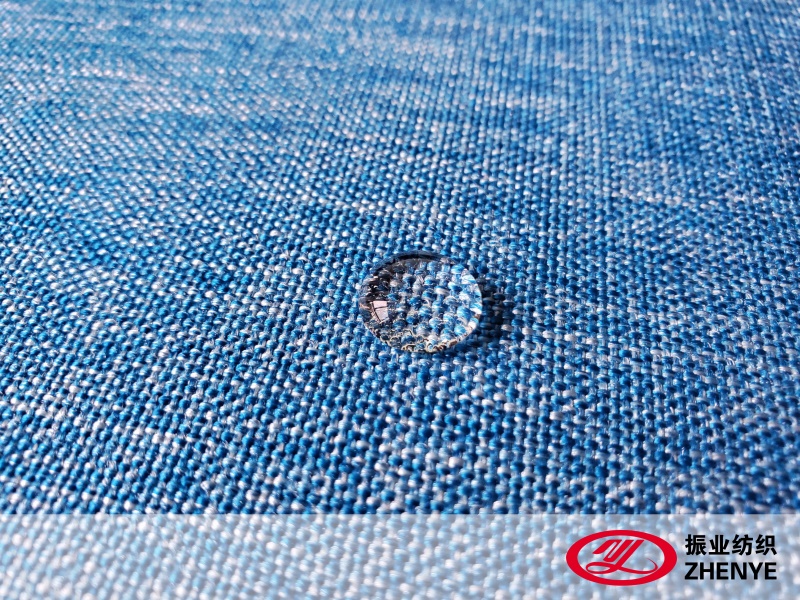
中文Recycled polyester fabric, also known as rPET, has gained significant popularity in the textile industry due to its sustainability and environmental benefits. Made from recycled plastic bottles or post-consumer waste, recycled polyester offers a more eco-friendly alternative to virgin polyester, which is derived from petroleum-based resources. The differences between recycled polyester and other fabrics, such as virgin polyester, cotton, or nylon, are evident in terms of their environmental impact, durability, cost, and overall performance.
Sustainability and Environmental Impact
Recycled polyester fabric is widely regarded as a more sustainable alternative to virgin polyester, mainly because it reduces the reliance on petroleum-based resources. The process of recycling plastic bottles or other post-consumer waste into polyester fabric helps reduce the amount of plastic waste that would otherwise end up in landfills or oceans. This not only conserves natural resources but also reduces energy consumption during production compared to manufacturing virgin polyester.
Unlike traditional polyester, which requires new raw materials and energy-intensive processes, recycled polyester uses already existing plastics, contributing to a circular economy. While other fabrics, like cotton, are biodegradable, they require large amounts of water and pesticides to grow, making them less environmentally friendly in comparison to recycled polyester.
However, it's important to note that recycled polyester still retains some of the environmental concerns associated with polyester production, such as microplastic shedding during washing. Nonetheless, its reduced environmental footprint compared to virgin polyester makes it a better option in many contexts.
Durability and Performance
Recycled polyester fabric generally has comparable durability and performance to virgin polyester. Both materials offer strength, resistance to shrinking, and the ability to maintain their shape over time. Recycled polyester retains the same quality as its virgin counterpart due to the mechanical recycling process, which does not significantly alter the structure of the fiber. As a result, it is still highly resistant to wear and tear, making it ideal for activewear, outdoor gear, and upholstery.
While cotton and other natural fibers may be softer and more breathable, they tend to break down faster and may require more frequent replacement. Recycled polyester, on the other hand, is known for its long-lasting properties, even under harsh conditions. It is also resistant to moisture, which makes it suitable for performance garments, such as sportswear and outerwear.
Recycled Polyester Fabric: Features and Advantages
Reduced Carbon Footprint and Energy Consumption
One of the main advantages of recycled polyester fabric is its ability to significantly reduce the carbon footprint compared to traditional polyester production. The recycling process uses less energy, reducing the overall environmental impact of manufacturing. It also lowers greenhouse gas emissions, making it a preferable choice for environmentally-conscious consumers and brands looking to minimize their carbon footprint.
The production of virgin polyester, on the other hand, is more energy-intensive as it relies on extracting and processing raw materials from petroleum. This process contributes to higher levels of carbon emissions and greater energy consumption. By using recycled plastic bottles and other waste products, recycled polyester helps divert these materials from landfills while also decreasing the need for new petroleum-based resources.
Versatility and Application in Various Industries
Recycled polyester is highly versatile and can be used in a wide range of products, from clothing and textiles to industrial applications. Just like virgin polyester, recycled polyester can be made into fabrics that are suitable for activewear, fashion apparel, home textiles, and upholstery. Its ability to retain strength, flexibility, and moisture-wicking properties makes it an good choice for performance clothing such as gym wear, outdoor jackets, and swimwear.
Moreover, the fabric can be blended with other materials like cotton or wool to combine the properties of different fibers, such as comfort, breathability, and durability. This makes recycled polyester a valuable material in a variety of markets, from fashion to automotive upholstery, where durability and performance are key.
Cost-Effectiveness
While recycled polyester is often more expensive than its virgin counterpart due to the additional processing required, it is typically less costly than natural fibers like organic cotton or wool. The availability of recycled plastic bottles and the growing demand for sustainable fabrics have made recycled polyester a more economically viable option. Additionally, its long-lasting durability means that products made from recycled polyester often offer greater value over time, as they require less frequent replacement than natural fibers.
As more textile manufacturers embrace sustainability and eco-friendly production practices, the cost of recycled polyester is expected to decrease, making it an even more attractive alternative to other fabrics. The growing use of recycled polyester is helping create a demand-driven circular economy that benefits both the planet and the consumer.
Challenges in Recycling and Quality Control
While recycled polyester offers numerous benefits, it is not without its challenges. One of the main concerns is the potential for contamination during the recycling process. Plastics used for other purposes, such as food packaging, may contain residues or chemicals that can affect the final quality of the fabric. In addition, recycling processes can sometimes result in shorter fiber lengths, which can reduce the overall quality of the material.
Despite these challenges, technological advancements in recycling methods are improving the quality and consistency of recycled polyester, making it an increasingly viable option for large-scale production. Continued research and development in this area promise to address some of the issues related to contamination and fiber quality, further enhancing the appeal of recycled polyester as a sustainable material.
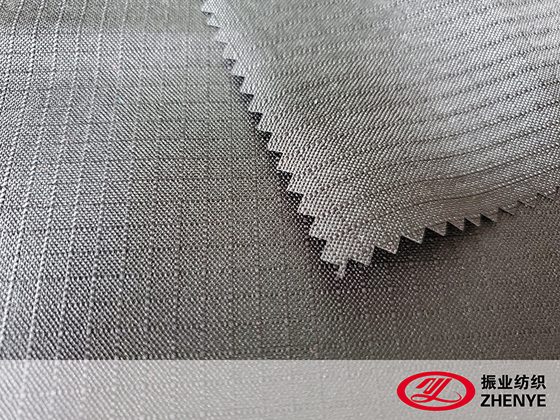
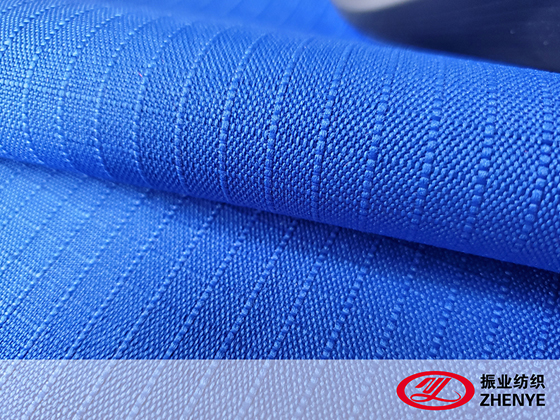
.jpg "600D Oxford Fabric PU (Cross Weave)")
.jpg "600D Oxford Fabric PVC Coating (diamond)")
.jpg "1000D Oxford Fabric PU (WR)")
.jpg "1200D Oxford Fabric")

