

 EN
EN
 English
 Español
 中文
中文What Fiber Quality Should Be Considered?
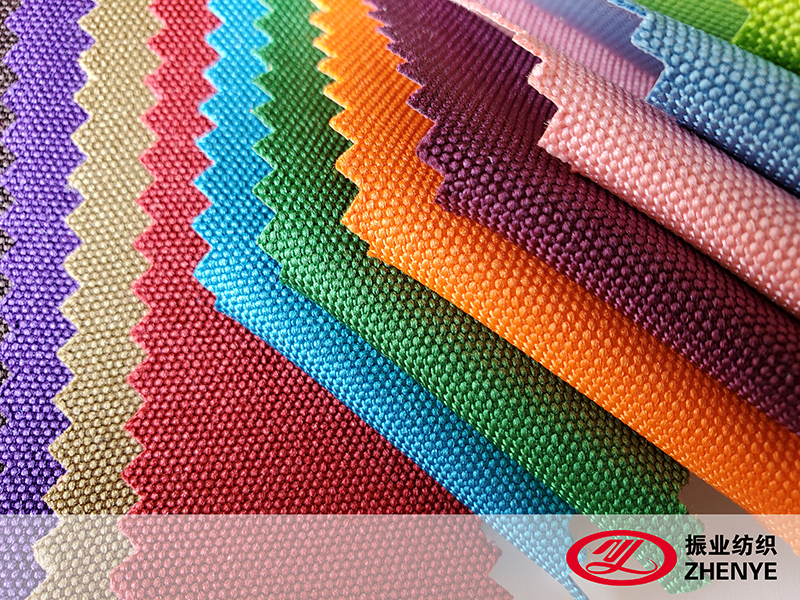
The quality of recycled polyester fibers directly affects the performance, feel, and lifespan of the fabric.
Fiber Source: Recycled polyester can be derived from post-consumer PET bottles, post-industrial polyester waste, or blends of both. Post-consumer sources reduce environmental impact, while post-industrial sources often provide more consistent fiber quality.
Fiber Thickness: Denier, a measure of fiber thickness, affects texture and durability. Lower denier fibers result in softer, lighter fabrics, while higher denier fibers increase strength and abrasion resistance.
Fiber Purity: The purity and cleanliness of recycled fibers influence color consistency and fabric smoothness. Impurities may cause uneven dyeing or reduced mechanical performance.
Function: Evaluating fiber quality ensures the final fabric meets desired standards for strength, texture, and appearance. Selecting fibers that suit the intended product prevents quality issues and improves longevity.
What Fabric Weight and Structure Are Suitable?
The weight and structure of the fabric determine its functionality and application.
Fabric Weight: Recycled polyester fabrics are available in lightweight, medium-weight, and heavy-weight varieties. Lightweight fabrics are suitable for clothing such as T-shirts and blouses, while medium to heavy-weight fabrics are used for outerwear, bags, or upholstery.
Weave or Knit Type: Fabrics can be woven, knitted, or non-woven. Woven fabrics are stable and durable, knitted fabrics offer stretch and flexibility, and non-woven fabrics are often used for industrial or disposable applications.
Fabric Density: Higher density fabrics provide more durability and wind or water resistance, while lower density fabrics offer breathability and lightness.
Function: Understanding fabric weight and structure helps in selecting recycled polyester fabric that meets the mechanical and comfort requirements of the intended product.
What Finishing Processes Are Important?
Finishing processes enhance the performance, appearance, and care properties of recycled polyester fabric.
Dyeing and Printing: Fabrics can be dyed or printed using environmentally friendly methods. Some recycled polyester fabrics are solution-dyed, reducing water and energy usage while maintaining colorfastness.
Coatings and Laminates: Coatings such as water-repellent, flame-retardant, or UV-resistant finishes expand the fabric's functionality for outdoor gear, protective clothing, or home textiles.
Mechanical Finishes: Processes such as calendering, brushing, or embossing affect the fabric's texture, smoothness, and visual appeal.
Function: Proper finishing ensures the recycled polyester fabric performs as intended, looks consistent, and meets the required care standards, making it suitable for specific applications.
What Environmental Certifications and Sustainability Indicators Are Relevant?
Since recycled polyester is often chosen for its sustainability, verifying environmental credentials is essential.
Global Recycled Standard (GRS): This certification ensures the content of recycled materials in the fabric and verifies responsible production practices.
OEKO-TEX Standard 100: Ensures the fabric is free from harmful substances and safe for human use.
Carbon Footprint and Water Usage: Some suppliers provide information on the carbon footprint and water savings achieved by using recycled fibers, helping buyers make informed choices.
Function: Checking certifications and sustainability indicators confirms that the recycled polyester fabric meets environmental and health standards, supporting responsible consumption and production.
Choosing recycled polyester fabric involves careful consideration of fiber quality, fabric weight and structure, finishing processes, and environmental certifications. Evaluating fiber source, thickness, and purity ensures durability and desired texture. Assessing fabric weight and weave or knit type allows proper selection for clothing, bags, or upholstery. Reviewing finishing techniques guarantees performance, appearance, and care standards. Finally, verifying environmental certifications ensures the fabric aligns with sustainability goals. By addressing these four questions, manufacturers, designers, and consumers can select recycled polyester fabrics that meet functional requirements, aesthetic preferences, and environmental expectations, supporting both practical and sustainable use.
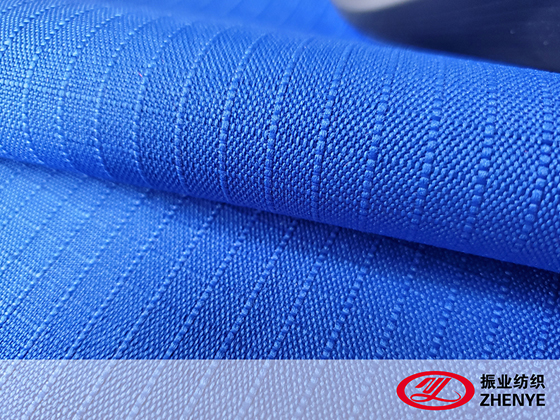
.jpg "600D Oxford Fabric PVC Coating (diamond)")
.jpg "600D Oxford Fabric PU (WR) ZY-501")
-2.jpg "Linen Type Cationic Fabric PVC")
-1.jpg "300D Linen Type Cationic Fabric (PU)")
-1.jpg "300D Linen Type Cationic Fabric (PVC)")

