

 EN
EN
 English
 Español
 中文
中文PU fabric is created by applying a thin layer of polyurethane to a base textile such as cotton, polyester, or nylon. This coating provides protective and functional qualities while maintaining the texture and feel of the underlying fabric.
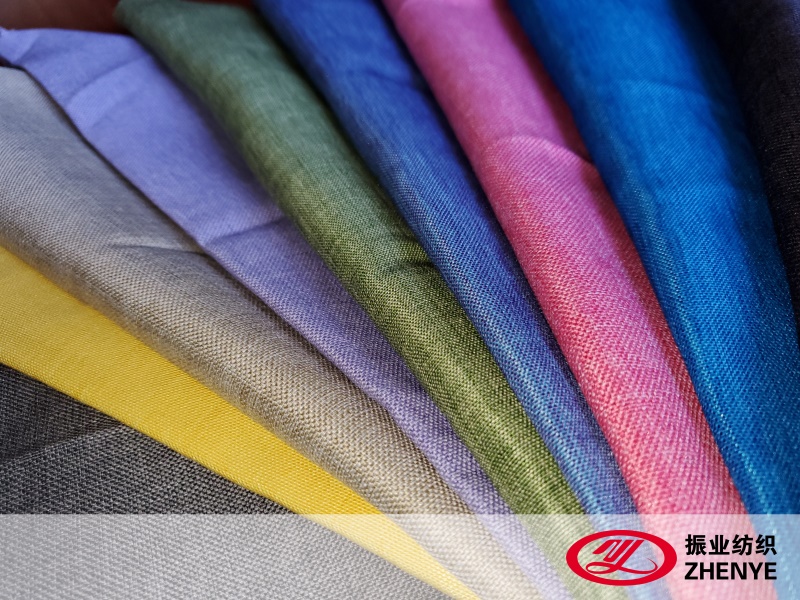
Surface Appearance and Texture
One of the main characteristics of PU fabric is its smooth surface and consistent texture. The polyurethane coating can be applied in a glossy, matte, or semi-matte finish, depending on the intended use and aesthetic preference.
PU fabric retains the flexibility of the base textile while offering a uniform appearance. It can mimic the look of leather or other materials, making it suitable for fashion items such as jackets, bags, and shoes. The fabric is also pliable, allowing it to be cut, sewn, and shaped easily without cracking. This combination of visual appeal and workability makes PU fabric a versatile choice for both decorative and functional purposes.
Water Resistance and Protection
PU fabric is known for its water-resistant properties, which is an important characteristic for clothing and outdoor products. The polyurethane coating creates a barrier that prevents water from penetrating the fabric, keeping the underlying material and the user dry.
In addition to water resistance, PU fabric provides moderate protection against dust, wind, and light stains. This makes it suitable for items such as raincoats, backpacks, and upholstery that may be exposed to daily wear or outdoor conditions. The degree of water resistance can vary depending on the thickness of the PU layer and the manufacturing process, allowing customization based on the intended use of the fabric.
Durability and Flexibility
Durability and flexibility are key characteristics of PU fabric. The combination of the base textile and polyurethane coating results in a material that is resistant to stretching, tearing, and abrasion under normal use. While not as strong as genuine leather, PU fabric can endure repeated bending and movement without significant damage, making it suitable for items that undergo frequent handling.
The flexibility of PU fabric allows it to conform to different shapes and designs, which is useful in fashion, upholstery, and bags. Its ability to bend and stretch without losing its form also supports comfort and usability in garments and accessories. Proper care and maintenance, such as avoiding high heat or harsh chemicals, can help extend the fabric's lifespan.
Ease of Maintenance and Versatility
Another notable characteristic of PU fabric is its ease of maintenance. Unlike natural materials, PU fabric can be cleaned with a damp cloth or mild soap solution without significant risk of damage. The smooth surface prevents dirt and liquids from being absorbed quickly, reducing staining and making regular cleaning straightforward.
PU fabric is also versatile in its applications. It can be used for clothing, bags, shoes, upholstery, protective covers, and other products where flexibility, light protection, and a leather-like appearance are desired. The fabric can be produced in various thicknesses, colors, and finishes, allowing customization for different design requirements and functional needs. Its combination of aesthetic appeal and practical qualities has contributed to its widespread use across multiple industries.
Water resistance and protective qualities make it suitable for clothing, bags, and outdoor products. Durability and flexibility allow it to withstand repeated use while maintaining comfort and shape. Finally, ease of maintenance and versatility enable PU fabric to be applied in a wide range of products with minimal effort. Considering these four aspects helps users and manufacturers select PU fabric appropriately for both functional and decorative purposes.
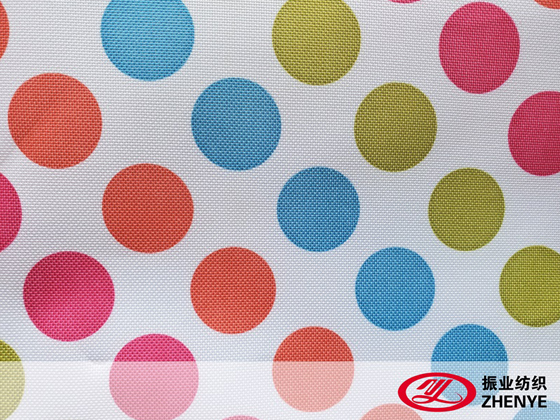
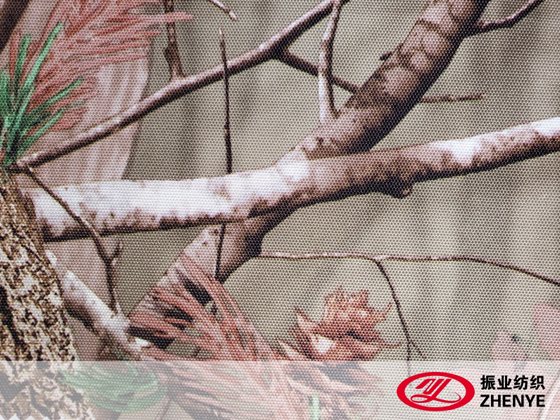
.jpg "300D Oxford Fabric PU")
.jpg "600D Oxford Fabric PVC Coating")
.jpg "600D Oxford Fabric PU ZY-501")
-1.jpg "ZY-700 300D Linen Type Cationic Fabric PVC")

