

 EN
EN
 English
 Español
 中文
中文What Are the Common Types of PVC Fabric?
PVC fabrics come in a variety of types, each designed for specific applications. These fabrics are made by applying a PVC coating to a fabric substrate, such as polyester, cotton, or nylon.
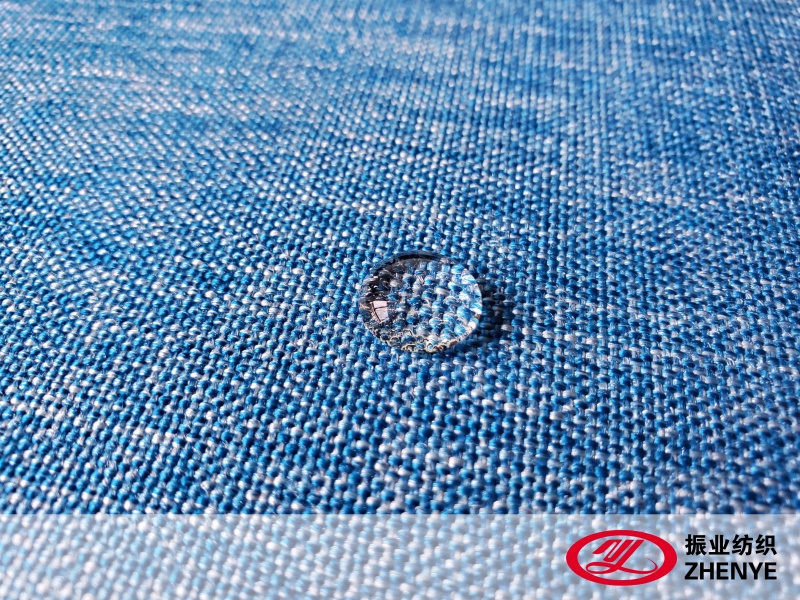
The type of PVC fabric selected depends on factors such as the required durability, flexibility, and weather resistance. Here are some of the common types:
PVC Coated Polyester Fabric: Known for its durability and high resistance to wear, this type of fabric is commonly used in outdoor applications like tents, tarps, and outdoor upholstery.
PVC Laminated Fabric: This fabric consists of a thin PVC layer bonded to a fabric substrate, often used for protective coverings and lightweight applications.
PVC Mesh Fabric: This type of PVC fabric features a mesh structure and is often used in applications requiring ventilation, such as sunshades, curtains, and protective netting.
Flexible PVC Fabric: Flexible PVC fabrics are designed for high flexibility and are often used for items like inflatable products and flexible storage containers.
Heavy-Duty PVC Fabric: This fabric is often used for industrial applications, including tarps, truck covers, and protective sheeting, due to its strength and ability to withstand harsh conditions.
Each type of PVC fabric has its own unique set of properties that make it suitable for different environments and uses.
What Are PVC Fabrics Commonly Used For?
PVC fabrics are highly versatile, and their wide range of characteristics makes them suitable for use in many different industries. Some of the common applications of PVC fabrics are outlined below:
1. Outdoor Gear and Equipment
Tents: PVC-coated fabrics are often used in the construction of tents, canopies, and other outdoor shelters. These fabrics offer weather resistance, particularly against rain and UV rays, making them ideal for camping and outdoor events.
Tarps: PVC tarpaulins are used in various settings, including construction sites, agriculture, and logistics. Their water-resistant and durable nature makes them effective for covering and protecting materials from the elements.
2. Furniture and Upholstery
Cushions and Outdoor Furniture: PVC fabrics are frequently used in outdoor furniture and cushions. The material is resistant to moisture, making it a good choice for patio furniture and other items exposed to the weather.
Automotive Upholstery: PVC fabrics are also used in the automotive industry for seat covers, door panels, and other interior applications. The fabric's durability and ease of cleaning are key factors in its widespread use.
3. Safety and Protective Gear
Workwear and Safety Gear: PVC fabrics are used in protective clothing, including rain gear, aprons, and protective suits. These fabrics are resistant to chemicals, oils, and water, making them ideal for industrial workers who need to stay dry and protected from hazardous substances.
Coveralls: In addition to workwear, PVC-coated fabrics are often used in medical environments to manufacture protective clothing for personnel handling hazardous materials.
4. Marine and Pool Products
Boat Covers and Bimini Tops: PVC fabrics are commonly used for outdoor and marine applications such as boat covers, Bimini tops, and other marine equipment. The fabric is highly resistant to moisture and UV degradation, making it ideal for such uses.
Pool Linings and Covers: PVC fabric is also used in the production of pool liners and covers, as it is resistant to chlorine and other chemicals found in pool water.
5. Packaging
Tarpaulin Covers and Shipping Bags: PVC fabrics are used in packaging materials such as shipping bags and tarpaulin covers. These materials are durable and offer protection against the elements during transportation.
Precautions for Using PVC Fabric
PVC fabric offers many benefits, but there are certain precautions that need to be observed to ensure its longevity and effectiveness. The following precautions should be taken into account:
- Avoid Excessive Heat: Prolonged exposure to high temperatures can cause PVC fabric to degrade and lose its flexibility. Avoid placing the fabric in areas where it is exposed to direct sunlight or intense heat sources for long periods.
- Proper Storage: PVC fabrics should be stored in a cool, dry place when not in use. Avoid leaving them in areas with high humidity, as this can lead to mold or mildew growth. Also, keep the fabric away from sharp objects that could puncture or damage it.
- Clean Regularly: Dirt, grime, and chemicals can cause PVC fabric to deteriorate over time. Clean the fabric with mild soap and water to prevent the accumulation of debris. Avoid using harsh cleaning agents that could cause discoloration or damage the material.
- Avoid Abrasive Surfaces: When handling PVC fabric, be cautious of rough or abrasive surfaces that could scratch or tear the material. Always ensure that the fabric is used in environments where it is not subject to abrasive contact.
- Check for UV Damage: Although PVC fabrics are UV-resistant, long-term exposure to sunlight can lead to fading and weakening of the material. Use UV-protective coatings if necessary to prolong the fabric's life in outdoor settings.
- Inspect for Wear and Tear: Regularly inspect PVC fabric products for signs of wear, such as cracks, holes, or fading. Early detection of damage allows for repairs or replacement before the fabric fails to perform as expected.
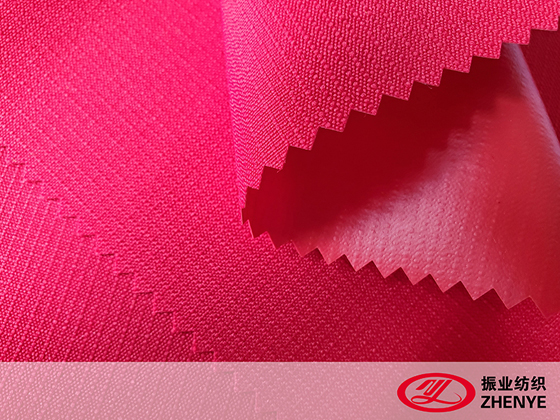
.jpg "300D Oxford Fabric PU")
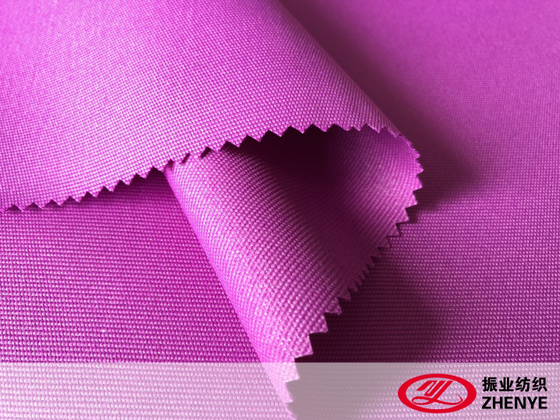
-1.jpg "ZY-588 300D Linen Type Cationic Fabric (WR)")
-1.jpg "ZY-677 600D Linen Type Cationic Fabric (WR)")
-1.jpg "600D Linen Type Cationic Fabric (WR)")

