
 EN
EN
 English
 Español
 中文
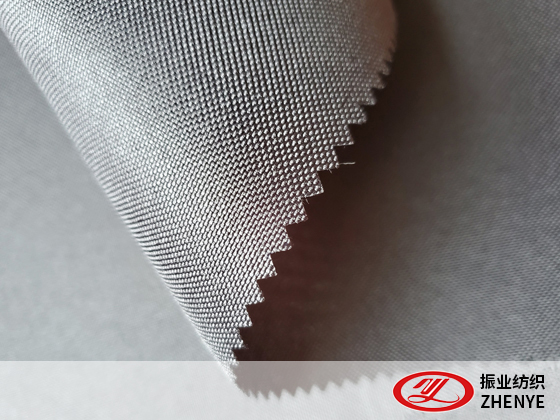
中文1000D Oxford fabric is often associated with strength, durability, and heavy-duty performance. It is widely used in backpacks, luggage, outdoor equipment, protective covers, and industrial products because of its thick yarn structure and strong resistance against abrasion. However, a higher denier number does not always mean the material is suitable for every application.
Many buyers focus on the “1000D” label and assume it automatically represents the ideal solution. However, fabric performance depends on multiple factors, including weaving structure, coating type, weight, flexibility, and the actual working environment. A professional supplier of 1000D oxford fabric needs to consider the complete product requirements rather than simply increasing fabric thickness. Denier indicates yarn thickness, but it does not fully determine waterproof performance, tear resistance, or overall usability.
1. The Strength Behind 1000D Oxford Fabric
The “1000D” specification refers to denier, a measurement related to yarn linear density. A higher denier number generally means thicker yarns, creating a heavier and more rugged fabric structure compared with lightweight Oxford materials such as 210D, 300D, or 600D.
This structure gives 1000D Oxford fabric several advantages:
- Strong abrasion resistance: Thick yarns help the surface withstand repeated friction.
- Higher tear resistance: A dense woven structure improves resistance against damage expansion.
- Better shape retention: Heavier fabric helps products maintain a structured appearance.
- Suitable for demanding applications: Commonly used in rugged bags, equipment covers, and outdoor products.
These characteristics make 1000D Oxford fabric attractive for applications requiring long service life and strong protection. However, strength is only one part of material selection.
2. Does Higher Denier Always Mean Better Performance?
A common misunderstanding is that thicker fabric always delivers better results. While higher denier can improve toughness, it may also introduce limitations related to weight, flexibility, and manufacturing processes.
A lightweight backpack designed for daily commuting may not benefit from extremely heavy fabric. The additional weight may reduce carrying comfort without providing meaningful advantages.
- Weight increase: Higher denier fabrics usually add more material weight.
- Reduced flexibility: Thick fabrics may become harder to fold or shape.
- Higher production difficulty: Heavy fabrics may require stronger sewing equipment and suitable construction methods.
The right fabric depends on the balance between durability and practical usage requirements.
3. Where Does 1000D Oxford Fabric Perform Well?
1000D Oxford fabric is especially suitable for products exposed to heavy friction, outdoor conditions, or frequent handling. Its strong structure makes it a preferred option for applications that require additional protection.
- Heavy-duty backpacks: Suitable for products designed to carry tools, equipment, or outdoor supplies.
- Luggage and travel bags: Provides stronger resistance against rough handling during transportation.
- Protective covers: Works well for equipment covers, storage covers, and outdoor protection products.
- Industrial textile products: Supports applications requiring strong surface durability.
Many outdoor and tactical product users prefer 1000D materials because they offer strong abrasion resistance. Community discussions about heavy-use bags also often highlight the trade-off between the durability of 1000D fabrics and the lighter weight of lower-denier alternatives.
4. When Can 1000D Oxford Fabric Become Too Heavy?
Although 1000D Oxford fabric provides nice protection, some products require more flexibility and lighter construction. Using a heavy fabric in the wrong application may affect user experience.
Examples include:
- Fashion bags: Lightweight materials may provide better comfort and appearance.
- Foldable products: Softer fabrics are easier to store and transport.
- Products requiring frequent movement: Flexible materials may offer better handling performance.
For these applications, 300D, 600D, or other medium-weight Oxford fabrics may provide a more suitable balance between strength and convenience. Different denier ranges serve different purposes rather than competing directly with each other.
5. Why Can Two 1000D Oxford Fabrics Perform Differently?
Not all 1000D Oxford fabrics have identical performance. The denier number only describes one aspect of the material. Other production details have a major influence on final quality.
- Yarn quality: Different polyester yarn sources affect strength and stability.
- Weaving density: Tighter structures can improve durability and surface stability.
- Coating technology: PU or PVC coatings influence waterproof ability and surface protection.
- Fabric finishing: Treatments can improve resistance against UV, moisture, and abrasion.
For example, a 1000D Oxford fabric with PU coating may provide a softer hand feel, while a PVC-coated version may offer stronger waterproof protection but increased stiffness. The final choice depends on the product purpose.
6. How Do Coatings Change 1000D Oxford Fabric Performance?
Coating selection significantly affects how 1000D Oxford fabric behaves in real applications.
- PU coating: Provides a flexible surface, good water resistance, and a softer touch.
- PVC coating: Offers stronger waterproof protection and a more rigid structure.
- Special finishes: Can improve functions such as flame resistance, UV resistance, or anti-slip performance.
A suitable coating allows manufacturers to adjust the fabric according to specific requirements instead of relying only on yarn thickness.
7. What Should Buyers Check Before Ordering 1000D Oxford Fabric?
Choosing the right fabric requires more than requesting a denier specification. Buyers should evaluate several technical details before production.
- Fabric weight: Helps determine whether the material matches product requirements.
- Tear strength: Indicates resistance against fabric damage.
- Abrasion performance: Shows how the surface handles repeated friction.
- Coating adhesion: Determines long-term coating stability.
- Application environment: Outdoor, industrial, and daily-use products require different characteristics.
Working with an experienced 1000D oxford fabric supplier helps buyers match fabric specifications with actual product demands.
1000D Oxford fabric provides strong durability and reliable protection, but it is not automatically the correct choice for every product. Its heavy structure makes it valuable for demanding applications, while its weight and stiffness may become disadvantages for lightweight or flexible products.
The right fabric decision depends on balancing strength, weight, flexibility, coating performance, and usage conditions. Understanding these factors allows designers and buyers to use 1000D Oxford fabric where its advantages can create real value.
-1.jpg "300D Oxford Fabric")
-2.jpg "Linen Type Cationic Fabric PVC")
-1.jpg "600D Linen Type Cationic Fabric PVC")
-1.jpg "ZY-677 600D Linen Type Cationic Fabric (WR)")
-1.jpg "1000D Linen Type Cationic Fabric (WR)")