

 EN
EN
 English
 Español
 中文
中文Modern outdoor products require materials that can handle changing environments while maintaining a lightweight structure. From travel bags and protective covers to camping equipment and daily accessories, fabric choice directly affects product performance. Among various synthetic textiles, 300D PU Coated Waterproof Oxford Fabric has gained attention because it combines a balanced structure with water resistance, flexibility, and practical durability.
Unlike heavy industrial fabrics designed mainly for hard conditions, 300D Oxford materials focus on providing reliable protection without adding unnecessary weight. This makes them suitable for products where portability and surface protection are equally important. The combination of polyester yarn construction and polyurethane coating creates a functional textile solution for modern applications.
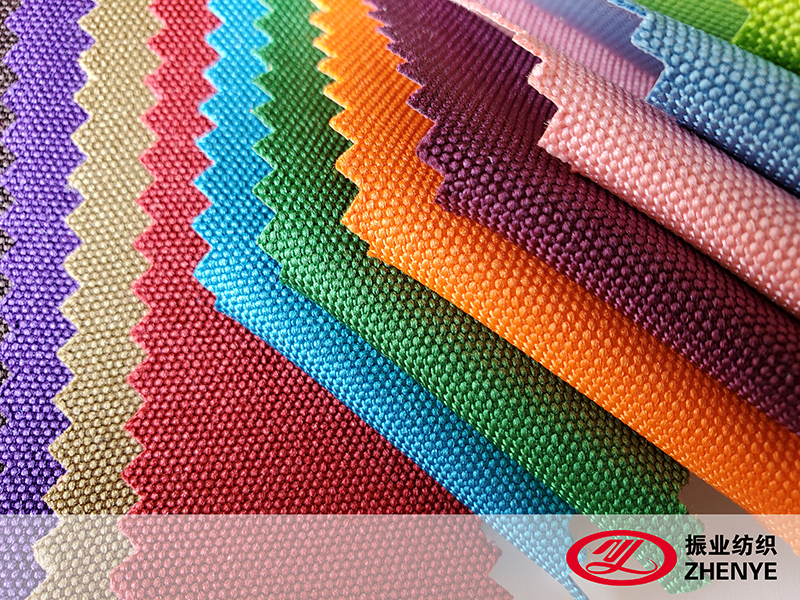
Understanding the Structure Behind 300D PU Oxford Fabric
The performance of Oxford fabric comes from its woven structure and surface finishing technology. The “300D” refers to the denier specification of the polyester yarn, indicating the thickness level of the fiber used during weaving. A PU coating is then applied to improve moisture resistance and surface protection.
The material structure usually includes three important layers:
- Polyester base fabric: Provides tensile strength, dimensional stability, and resistance to daily wear.
- Oxford weave construction: Creates a stable textile surface that helps distribute external stress.
- PU coating layer: Forms a protective barrier that improves water resistance and helps reduce moisture penetration.
This combination allows manufacturers to develop products that require both a soft hand feel and functional protection. The fabric remains easier to process compared with heavier coated textiles while maintaining useful mechanical properties.
Technical Features That Support Lightweight Protection
The popularity of 300D PU Oxford fabric is closely connected with its technical balance. Different coating thicknesses, weaving densities, and finishing treatments can create variations for specific applications.
| Property | Typical Performance Range | Application Benefit |
| Material Composition | Polyester | Stable structure and easy processing |
| Fabric Specification | 300D polyester yarn | Lightweight construction with practical strength |
| Coating Type | Polyurethane (PU) | Improved water resistance and flexible surface |
| Fabric Weight | Approx. 130–220 GSM depending on coating | Suitable for portable products |
| Surface Finish | Plain, matte, or customized finishes | Supports different design requirements |
The exact specifications may vary depending on production requirements. For example, a lighter coating can maintain softness, while a thicker PU layer can provide stronger moisture protection for outdoor environments.
Applications Expanding Beyond Traditional Bags
Many people associate Oxford fabric with backpacks and luggage, but current product designs have expanded its usage into more categories. Lightweight protective materials are increasingly important because consumers expect products that are easy to carry while still offering dependable performance.
- Outdoor equipment: Used in tent accessories, rain covers, storage bags, and camping products where moisture protection is needed.
- Travel products: Applied in backpacks, suitcases, and organizers requiring low weight and abrasion resistance.
- Home protection items: Suitable for furniture covers, storage solutions, and protective cases.
- Pet products: Used for pet carriers, mats, and outdoor accessories because of its easy-clean surface.
The material’s adaptability allows designers to create products that combine appearance with practical functions. Different colors, printing methods, and surface treatments can also enhance product differentiation.
How PU Coating Changes Fabric Performance
The coating process plays an important role in determining the final characteristics of Oxford fabric. Without additional coating, woven polyester provides strength but has limited waterproof capability. PU finishing creates a continuous protective layer that helps block water from passing through the fabric structure.
Key improvements from PU coating include:
- Better moisture resistance: Helps protect contents inside bags and covers during rainy conditions.
- Enhanced surface protection: Reduces the influence of dust, splashes, and daily exposure.
- Improved fabric flexibility: Maintains a softer touch compared with some heavier coating systems.
- Design versatility: Supports different colors, textures, and finishing styles.
Choosing the Right 300D PU Fabric for Product Design
Different products require different fabric characteristics. A travel backpack may require a softer and lighter material, while an outdoor cover may need stronger coating performance.
| Product Type | Recommended Fabric Consideration | Main Requirement |
| Backpacks | Lightweight PU coated Oxford | Comfort and daily protection |
| Outdoor Covers | Higher coating weight options | Water resistance and durability |
| Storage Bags | Flexible fabric structure | Easy folding and handling |
| Pet Accessories | Easy-clean surface finish | Practical daily use |
Understanding the relationship between yarn thickness, weave density, and coating performance helps product developers create materials that match their target applications.
Future Trends of Lightweight Waterproof Textiles
The textile market is moving toward multifunctional materials that provide protection without increasing product weight. Designers are exploring fabrics that combine water resistance, attractive appearance, comfortable handling, and flexible processing.
300D PU Oxford fabric fits this development direction because it provides a practical middle ground between lightweight textiles and heavy-duty protective materials. Its structure supports various product categories while allowing customization in color, coating, and finishing options.
As outdoor lifestyles, travel demands, and portable products continue to grow, lightweight waterproof fabrics will remain an important material choice. The combination of polyester strength and PU coating technology gives 300D Oxford fabric a valuable role in creating functional products for everyday environments.
-1.jpg "300D Oxford Fabric")
.jpg "600D Double Tone Fabric PVC")
.jpg "1000D Oxford Fabric PU (WR)")
.jpg "1200D Oxford Fabric")
-1.jpg "300D Linen Type Cationic Fabric PVC")

