

 EN
EN
 English
 Español
 中文
中文Modern products are expected to handle frequent use, outdoor exposure, and changing environments without becoming heavy or inconvenient. From travel equipment and protective covers to sports accessories and workwear, material durability has become a key factor in product design. Woven Ripstop Oxford Fabric provides a practical solution by combining reinforced weaving technology with the flexible characteristics of Oxford textiles.
The unique grid structure of ripstop fabric creates a stronger textile surface that helps control tear expansion. Instead of relying only on thicker yarns or heavier materials, this fabric uses strategic reinforcement points to improve strength while maintaining a relatively lightweight construction.
The Engineering Behind Ripstop Weave Technology
Ripstop fabric is recognized by its visible grid pattern, which comes from reinforced yarns woven into the base material at regular intervals. These stronger threads form a barrier inside the textile structure, helping limit the spread of damage after cuts or punctures occur.
Compared with standard woven fabrics, ripstop construction changes how external forces are distributed across the surface. The reinforced grid sections help reduce the possibility of a small tear becoming a larger opening during repeated use.
-3.jpg)
Key Structural Elements
- Reinforced grid yarns: Thicker warp and weft threads create a crosshatch structure that improves tear resistance.
- Oxford weave foundation: The basket-style weave provides surface stability and a distinctive texture.
- Synthetic fiber construction: Polyester or nylon fibers provide strength, dimensional stability, and abrasion resistance.
This combination allows manufacturers to create fabrics that are suitable for products requiring durability without excessive thickness.
Technical Characteristics of Woven Ripstop Oxford Fabric
The performance of ripstop Oxford materials depends on several factors, including yarn specification, fabric density, coating type, and finishing treatment. Different parameters can be adjusted according to the final product requirements.
| Technical Item | Typical Range | Product Benefit |
| Material | Polyester or Nylon | Provides strength and stable structure |
| Fabric Density | Customized according to application | Controls durability and fabric feel |
| Denier Options | 210D, 300D, 420D, 600D, 900D and more | Supports different strength requirements |
| Surface Treatment | PU coating, PVC coating, water-resistant finish | Improves moisture protection |
| Weave Style | Grid ripstop structure | Helps prevent tear expansion |
Fabric specifications can be adjusted to achieve different balances between softness, weight, durability, and protection. A lightweight version may focus on portability, while a heavier structure may support demanding outdoor environments.
Why Ripstop Structure Matters in Product Design
Traditional fabric damage often spreads along the yarn direction after a sharp object creates an opening. Ripstop technology addresses this issue by introducing reinforcement lines throughout the material. These grid sections act as interruption points that help contain damage within a smaller area. :contentReference[oaicite:3]{index=3}
This design concept creates several advantages for finished products:
- Longer service performance: Reinforced weaving helps products maintain structural integrity during repeated handling.
- Better strength-to-weight balance: The fabric gains improved resistance without requiring extremely heavy yarns.
- Improved outdoor reliability: The material works well in products exposed to friction, movement, and changing weather.
- Flexible appearance options: Different colors, coatings, and finishes allow designers to create varied product styles.
Applications Expanding Across Multiple Industries
The versatility of ripstop Oxford materials has encouraged wider use across consumer and industrial products. The fabric is no longer limited to traditional bags but has become a functional choice for many durable goods.
Common Application Areas
- Outdoor equipment: Used in tents, camping storage bags, rain covers, and hiking accessories where tear resistance is important.
- Travel products: Applied in luggage, backpacks, and organizers that require frequent movement and handling.
- Protective covers: Suitable for equipment covers, vehicle accessories, and storage solutions.
- Workwear products: Used in functional clothing and gear requiring additional resistance against abrasion.
Comparing Ripstop Oxford Fabric with Standard Oxford Fabric
| Feature | Standard Oxford Fabric | Ripstop Oxford Fabric |
| Surface Structure | Regular woven texture | Grid reinforcement pattern |
| Tear Resistance | Suitable for general applications | Enhanced resistance against tear expansion |
| Weight Control | Depends on yarn thickness | Maintains strength with reinforced design |
| Main Uses | Bags, covers, general textile products | Outdoor gear, protective products, durable accessories |
Surface Coatings Enhance Ripstop Performance
Although the ripstop weave improves mechanical strength, additional finishing treatments can provide extra functional benefits. PU coatings are commonly used to increase water resistance while maintaining flexibility. PVC coatings may provide stronger surface protection for heavier applications. :contentReference[oaicite:4]{index=4}
A combination of reinforced weaving and suitable coating technology allows designers to develop fabrics that meet different performance targets. For example, outdoor bags may require lightweight waterproof protection, while equipment covers may need stronger abrasion resistance.
Future Development of Durable Textile Materials
Product designers continue to explore materials that offer reliable protection without unnecessary bulk. The demand for portable outdoor equipment, multifunctional accessories, and durable consumer products creates new opportunities for advanced textile structures.
Ripstop Oxford fabric represents a design approach that focuses on structural improvement rather than simply increasing material thickness. Through reinforced weaving, customized yarn selection, and surface treatments, this fabric category provides new possibilities for products that require strength, flexibility, and practical performance.
As product applications continue to diversify, woven reinforcement technology will remain an important direction in textile development. The balance between lightweight construction and durability makes ripstop Oxford materials a valuable option for modern functional products.
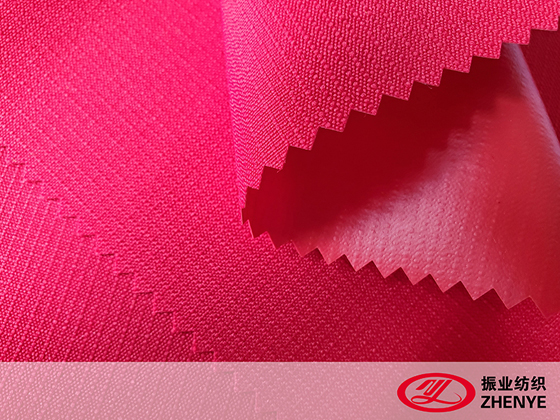
.jpg "600D Oxford Fabric PU (Cross Weave)")
.jpg "600D Oxford Fabric PU ZY-501")
-1.jpg "300D Linen Type Cationic Fabric PVC")
-1.jpg "600D Linen Type Cationic Fabric PVC")
-1.jpg "ZY-677 600D Linen Type Cationic Fabric (WR)")

