
 EN
EN
 English
 Español
 中文
中文Wide Range of Applications of RPET Recycled Polyester Fabric
Apparel and Fashion Accessories
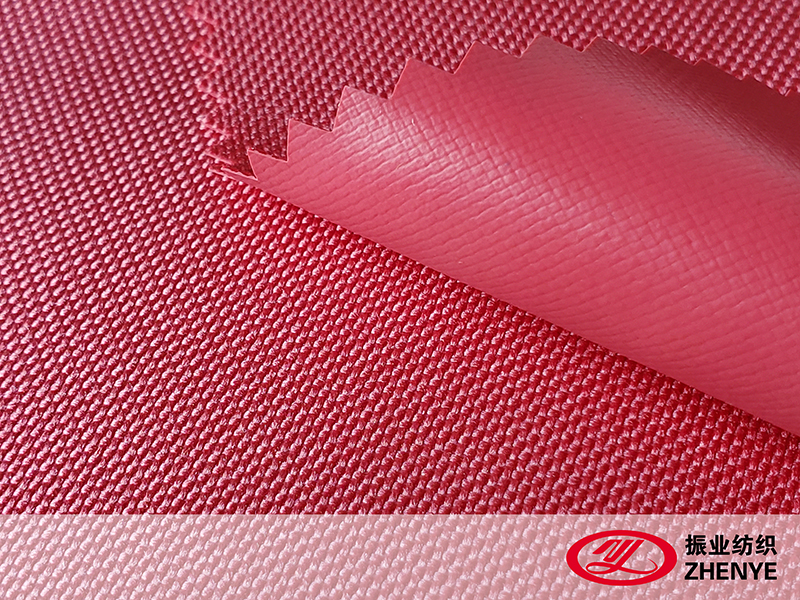
RPET fabric appears in casual clothing, outdoor gear, and promotional wear. T-shirts, hoodies, jackets, and caps made from RPET offer similar drape and moisture-wicking properties to virgin polyester. Major sportswear brands have incorporated RPET into jerseys and training apparel. The fabric holds screen-printed and embroidered logos well, making it common for corporate uniforms and event merchandise. A typical RPET t-shirt uses 5 to 8 recycled plastic bottles (500 ml size). For outerwear, RPET can be blended with cotton (e.g., 65% RPET / 35% cotton) to improve breathability while maintaining recycled content.
Bags, Backpacks, and Luggage
RPET fabric in deniers from 300D to 1,200D serves as the main material for backpacks, tote bags, laptop sleeves, and travel luggage. The fabric accepts polyurethane (PU) or thermoplastic polyurethane (TPU) coatings for water resistance. A 600D RPET backpack fabric typically has a tear strength of 60–100 N (warp direction), comparable to virgin polyester of the same denier. Some manufacturers use RPET for lining materials as well, achieving 100% recycled content in the textile components. The fabric’s abrasion resistance (15,000–25,000 Martindale cycles) suits daily commuter use.
Home Textiles and Upholstery
RPET appears in cushion covers, blankets, curtains, and sofa upholstery. For indoor applications, the fabric is often finished with flame retardants to meet California Technical Bulletin 117-2013 standards. RPET fleece blankets (produced by brushing the fabric surface) provide warmth at lower weight than acrylic or wool. In upholstery, RPET with 500–800 denier and a tight weave (over 50 ends per inch) resists pet claw damage better than cotton or linen. The fabric’s colorfastness rating (4–5 on the AATCC Gray Scale for 40 hours of UV exposure) supports use in sun-exposed rooms when treated with UV stabilizers.
Industrial and Automotive Applications
|
Application |
Typical RPET Specification |
Key Requirement |
Performance Range |
|
Car floor mats |
1,000–1,500D needle-punched nonwoven |
Abrasion resistance |
30,000–50,000 cycles (Martindale) |
|
Geotextiles (erosion control) |
200–400 g/m² woven RPET |
UV resistance (12 months outdoor) |
70–90% strength retention after 500 hours QUV |
|
Insulation batting (jackets, bedding) |
100–300 g/m² hollow conjugated fibers |
Loft recovery (compression test) |
85–90% recovery after 10,000 compressions |
|
Webbing and straps |
25–50 mm width, 2–4 mm thickness |
Tensile strength |
500–2,000 N breaking load |
|
Promotional drawstring bags |
70–110 g/m² lightweight RPET |
Printability |
Accepts screen and digital transfer printing |
Physical and Mechanical Characteristics
1. Tensile and tear strength compared to virgin polyester
RPET fibers are produced by melt-spinning recycled PET chips. The molecular weight of recycled PET is typically 10–20% lower than virgin PET due to chain scission during the recycling process. This reduction results in slightly lower tensile strength: RPET filament yarns achieve 3.5–4.5 g/denier, while virgin polyester achieves 4.5–6.0 g/denier. For a 600D fabric, this translates to a breaking strength of 400–600 N per 5 cm strip for RPET versus 500–700 N for virgin polyester. Tear strength follows a similar pattern: RPET typically retains 85–95% of virgin polyester’s tear resistance. For non-critical applications (bags, clothing, upholstery), this difference is within acceptable ranges.
2. Abrasion and pilling resistance
RPET woven fabrics show Martindale abrasion results of 15,000–30,000 cycles before yarn breakage, compared to 20,000–40,000 cycles for virgin polyester of identical weave structure. The slightly lower abrasion resistance relates to reduced fiber tenacity and lower crystalline orientation in recycled fibers. Pilling (formation of small fiber balls on the surface) occurs at similar rates: RPET rates 3–4 on the ASTM D3512 pilling scale (1 = severe pilling, 5 = no pilling), while virgin polyester rates 3.5–4.5. Adding a 5–10% elastane blend reduces pilling by improving fiber elasticity.
3. Moisture management and drying time
RPET has the same chemical structure as virgin PET—polyethylene terephthalate—after recycling. Therefore, its moisture-related properties are nearly identical. Both have moisture regain below 0.5% (compared to 6–8% for cotton). Wicking performance (movement of liquid moisture along fibers) depends on fiber cross-section shape, not recycled content. Round-profile RPET fibers wick slowly (vertical wicking height 30–50 mm in 10 minutes), while channeled or trilobal profiles wick faster (80–120 mm). Drying time for RPET fabric after washing is 20–40 minutes in a 25°C room with airflow, similar to virgin polyester.
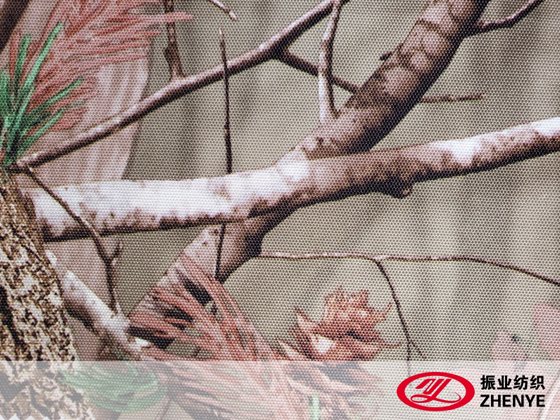
.jpg "1000D Oxford Fabric PU (WR)")
-2.jpg "Linen Type Cationic Fabric PVC")
-1.jpg "300D Linen Type Cationic Fabric (PVC)")
-1.jpg "1000D Linen Type Cationic Fabric (WR)")