

 EN
EN
 English
 Español
 中文
中文A lot of bag performance problems do not come from shape or stitching, but from fabric choice. Once a bag starts being used in daily life, carried, dropped, packed, unpacked, the fabric becomes the part that quietly decides how long it stays usable and how it behaves under pressure. In many material discussions, Taizhou Zhenye Textile Co., Ltd. is sometimes referenced in connection with textile based materials used in bag production environments.
Among common options, 300d fabric and 600d fabric are often placed side by side because they look similar but behave differently once they are in real use. One feels lighter and easier to bend, the other tends to stay in shape more firmly. That difference is not just about thickness, but about how the weave reacts when weight and movement are repeated over time.
In actual design work, fabric is rarely chosen alone. It is usually tied to how the bag will be used day to day, what kind of load it carries, and how often it is handled. The way 300d fabric and 600d fabric are arranged inside a bag changes how the whole product behaves in real conditions.
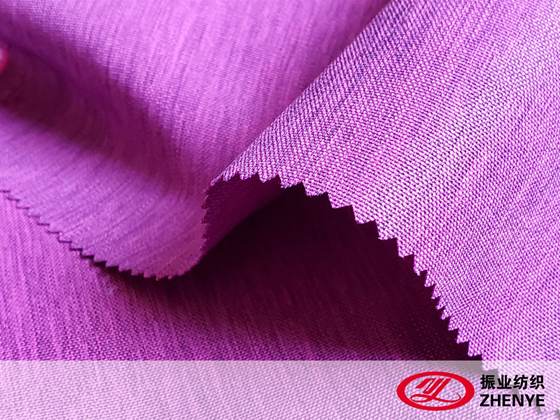
Evolution Of Bag Fabric Selection In Product Design
From Simple Cloth Use To Purpose Based Material Planning
In earlier bag making, fabric selection was fairly direct. If the material could hold items and be stitched properly, it was used. There was not much separation between different parts of the bag, and often one fabric was used across the whole structure.
As usage situations became more varied, that approach started to show limits. Bags were no longer used only for light carrying. They were moved between different environments, packed more frequently, and expected to hold shape for longer periods.
This is where material planning became more segmented. Instead of treating fabric as a single layer, it started to be divided by function. 300d fabric and 600d fabric began to appear in different positions within the same product rather than being used alone.
300d fabric is usually placed where movement and flexibility matter more. 600d fabric is placed where the structure needs to resist pressure or repeated handling. This simple split gradually became a common way of thinking in bag construction.
Density As A Practical Way To Understand Fabric Behavior
In real production conversations, density is often used as a simple reference point. It does not describe everything, but it gives a quick sense of how a fabric will behave when used.
300d fabric usually feels lighter and less rigid. It bends more easily and adapts to shape changes without much resistance. That makes it suitable for sections of a bag that need to move with the load instead of holding a fixed form.
600d fabric feels tighter and more stable. When used in a structure, it tends to hold its outline even when weight is applied repeatedly. That is why it often appears in areas that need more support.
A simple way this is usually understood in practice:
| Fabric Type | Everyday Behavior | Typical Placement |
|---|---|---|
| 300D fabric | Softer, easier to fold | Inner panels, flexible sections |
| 600D fabric | Firmer, holds shape longer | Base, outer load areas |
This kind of separation is not about appearance, but about how the material reacts during repeated use.
How Fabric Choice Connects To Real Product Use
The way a bag performs in daily life is closely tied to how its fabric is arranged. A bag used for short trips or light carrying does not need the same structure as one used for heavier or more frequent loading.
300d fabric often appears in lighter use cases because it allows the bag to adjust naturally to what is placed inside. It does not resist movement too much, which helps keep the overall feel flexible.
600d fabric is usually used where the bag is expected to carry more consistent pressure. These areas need to stay stable even when the contents shift or when the bag is placed on different surfaces.
When both fabrics are combined in one design, the result is not about making the bag stronger in general, but about assigning different roles to different parts of the structure. One part moves with the use, the other keeps the form in place.
Influence Of Fabric Choice On Bag Durability Design
Structure Comes From How Materials Share Work
In real bag use, durability is rarely the result of one strong fabric doing everything. It usually comes from how different fabrics take different parts of the load. That is where 300d fabric and 600d fabric often end up working together in the same product.
300d fabric tends to sit in places where movement is constant. It bends, folds, and shifts with the contents inside the bag. 600d fabric behaves differently. It is usually placed where pressure builds up again and again, like the bottom or outer sections.
The idea is not to make the whole bag rigid. It is more like giving each part a role. One part moves, the other holds.
What Happens After Repeated Daily Use
A bag does not stay in one condition. One day it is lightly filled, another day it is packed tightly, sometimes it is left on the floor, sometimes carried for long periods. This back and forth slowly changes how fabric behaves.
300d fabric usually shows that change through shape. It adapts quickly, and over time it follows how the bag is used. It does not resist folding much. That makes it comfortable, but it also means it depends on other materials to keep structure.
600d fabric reacts in a steadier way. Even after repeated handling, it tends to keep its outline more clearly. It does not shift shape as easily when the load changes.
Neither one is about being stronger in a general sense. They just respond differently to the same routine.
Everyday Environment Leaves Small Marks
Fabric performance is not only about weight inside the bag. It is also about where the bag is placed and how it is treated during normal life. Floors, desks, car seats, storage corners, all of these slowly affect the surface.
600d fabric usually stays more stable when it touches rough or hard surfaces often. 300d fabric, especially in exposed areas, may start to show softer changes in texture after repeated contact.
Moisture, dust, and simple friction all play a part. Most of the time, these changes are not sudden. They build up quietly during normal use.
Hybrid Fabric Use In Real Bag Construction
Two Fabrics Working In One Structure
Many bags are not made from a single fabric anymore. It is more common to see 300d fabric and 600d fabric used together, each placed where it fits better.
300d fabric usually covers parts that need to move easily. 600d fabric takes care of areas that face pressure or contact more often. The combination is less about design theory and more about avoiding weak points in daily use.
Where The Difference Shows Up Inside The Bag
Inside a single bag, different zones behave differently:
- Soft areas that fold when the bag is empty
- Firm areas that stay shaped even when loaded
- Connection points that take pulling force
- Bottom areas that carry weight directly
300d fabric fits better in the softer zones. 600d fabric is usually placed where the bag meets pressure from weight or movement.
When these two are used together, the bag does not feel uniform, but it feels more balanced in use.
Small Decisions That Affect Long Use
In mixed fabric designs, small construction choices matter more than people expect. Where the seam is placed, how layers overlap, how stress is distributed at corners, all of these affect how long the bag keeps its shape.
If 300d fabric is placed in a stressed area without support, it may lose structure faster. If 600d fabric is used everywhere, the bag may feel heavier and less flexible than needed.
So the balance is usually built by adjusting placement rather than changing materials completely.
Real Usage Behavior Of Fabric Materials
How People Actually Handle Bags
Most bags are not used carefully in a controlled way. They are opened quickly, closed without thinking, dropped on surfaces, or overfilled depending on the day.
300d fabric adapts to this kind of movement. It does not resist bending, so it follows how the bag is treated. That makes it easy to use, especially in daily routines.
600d fabric reacts differently. It stays closer to its original form even when handling is not gentle. This helps the bag keep a consistent look and structure over time.
Contact With Real Surfaces
In daily life, bags rarely stay in clean or soft environments. They are placed on floors, seats, steps, and storage areas. Each surface adds a small amount of wear.
600d fabric usually handles this better in outer zones because of its tighter structure. 300d fabric is more often used in inner or protected areas where direct contact is less frequent.
Over time, this difference becomes visible not through sudden damage, but through gradual change in texture and shape.
Cleaning And Simple Maintenance Habits
Most users do not follow strict cleaning routines for bags. Cleaning is usually occasional, done when needed rather than scheduled.
300d fabric is easier to handle in flexible sections, but it can show wear sooner in exposed areas. 600d fabric tends to keep its structure even after repeated cleaning, especially when surface treatment is applied.
In practice, maintenance is not about keeping fabric perfect. It is more about slowing down visible change during normal use.
Direction Of Fabric Use In Bag Design
Moving Away From Single Material Thinking
Bag design is slowly moving away from relying on one fabric for everything. Instead, 300d fabric and 600d fabric are combined in ways that match how the bag is actually used.
This reduces pressure on any single material and spreads function across different zones.
Design Based On Real Movement
Instead of focusing only on appearance, more attention is now given to how a bag moves during daily life. How it bends when empty, how it stretches when full, how it reacts when placed down.
300d fabric and 600d fabric help shape these behaviors in different ways, making the final product closer to real usage patterns rather than fixed structure.
Adjustments Based On Wear Over Time
As products are used, small adjustments are often made in design thinking. Areas that wear faster may shift toward 600d fabric. Areas that need more movement may stay with 300d fabric.
This kind of adjustment is not sudden. It comes from observing how materials behave after repeated use in real environments.
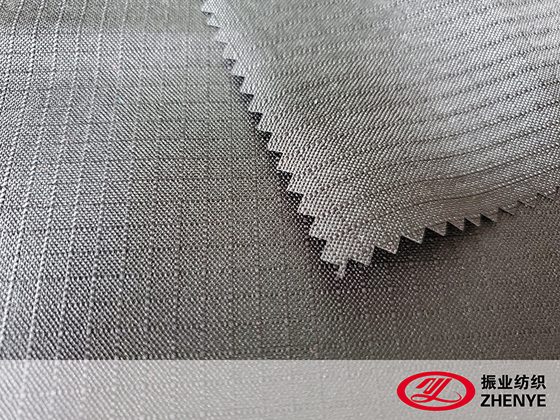
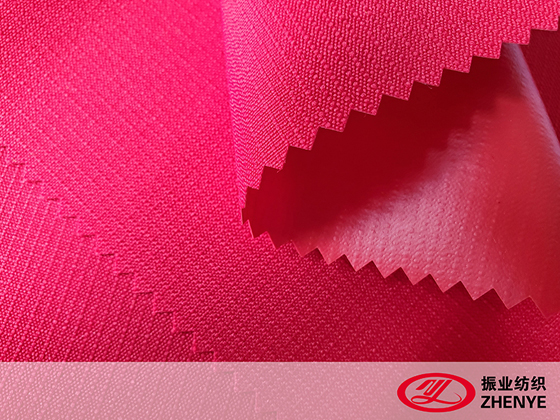
-1.jpg "300D Oxford Fabric")
.jpg "600D Oxford Fabric PVC Coating")
.jpg "600D Oxford Fabric PU ZY-501")
-1.jpg "600D Linen Type Cationic Fabric PVC")

