

 EN
EN
 English
 Español
 中文
中文What Is 300D Fabric?
300D fabric is a type of fabric that is measured using the denier scale. The "300D" refers to the weight and strength of the fabric, with 300 denier indicating a medium level of thickness. The denier scale measures the weight of the yarn used in textiles; the higher the number, the thicker and stronger the yarn.
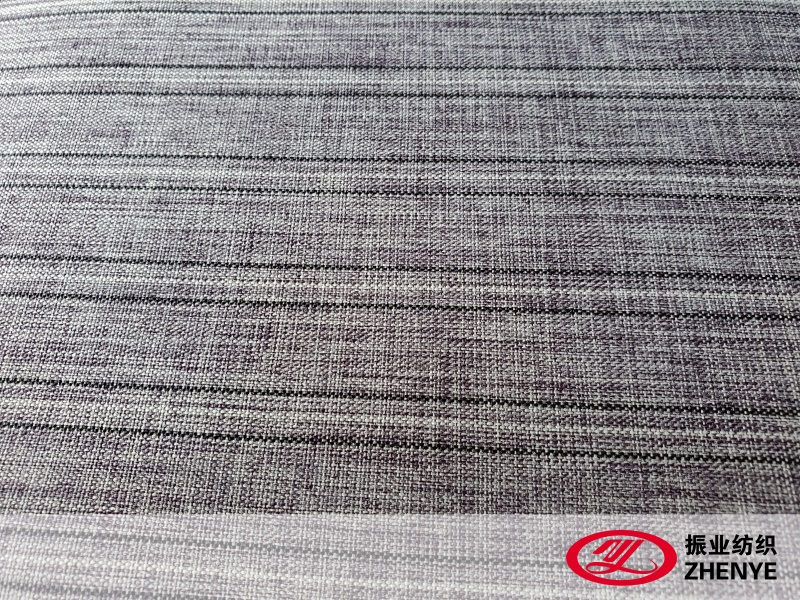
Material Composition: Many 300D fabrics are made from polyester, a synthetic polymer that is known for its durability and resistance to environmental factors like moisture, sunlight, and abrasion. Some 300D fabrics may also be made from nylon or other synthetic fibers, offering similar levels of strength and resilience.
Weight and Durability: A 300D fabric is generally strong, but not as heavy or stiff as fabrics with higher denier values, such as 600D or 1200D. It is often used in applications that require durability but where a softer, more flexible fabric is needed.
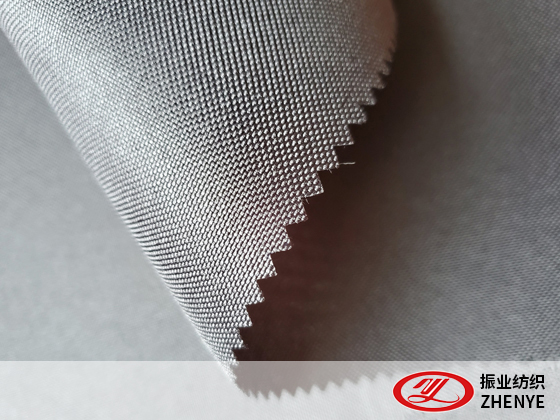
Textile Structure: 300D fabrics are usually woven or knitted in a plain weave or a similar pattern to ensure strength and resistance to wear. The weave structure helps the fabric withstand physical stresses while remaining relatively lightweight compared to higher-denier fabrics.
What Are the Common Uses of 300D Fabric?
300D fabric is versatile and can be used for various purposes, ranging from outdoor gear to fashion items. Its strength and resistance to the elements make it a popular choice for many types of products. Below are some of the common uses of 300D fabric:
Backpacks and Bags: 300D fabric is widely used in the production of backpacks, duffel bags, and other types of luggage. Its durable nature helps these bags withstand daily wear and tear, while the fabric remains lightweight enough to be used in a variety of bag designs.
Tents and Outdoor Gear: 300D fabric is commonly used in the production of tents, tarps, and outdoor gear like jackets. Its water-resistant and durable properties make it ideal for products exposed to outdoor conditions, providing protection from rain, wind, and other environmental factors.
Upholstery and Furniture Covers: In the home furnishings industry, 300D fabric is used for outdoor furniture covers, cushions, and even for the upholstery of furniture that needs to withstand daily use, especially in outdoor settings.
Protective Covers: Many protective covers for vehicles, equipment, and machinery are made from 300D fabric. This fabric is resistant to abrasions and UV rays, offering long-lasting protection against the elements.
Sporting Goods: 300D fabric is also used for sporting equipment such as gym bags, water bottles, and outdoor gear, where durability and flexibility are important.
What Are the Advantages and Disadvantages of 300D Fabric?
Advantages:
Durability: 300D fabric is strong and resistant to abrasion, making it suitable for products that are exposed to heavy wear and tear, like bags and outdoor gear.
Water Resistance: When treated with a water-repellent coating, 300D polyester fabric becomes water-resistant, making it ideal for use in outdoor applications like tents, covers, and backpacks.
Lightweight: Despite its strength, 300D fabric is lighter than fabrics with higher denier values, making it a practical choice for products that require both durability and reduced weight.
UV Resistance: Many 300D fabrics come with a UV-resistant coating, which helps protect products like outdoor furniture and tents from sun damage, extending their lifespan.
Affordable: Compared to fabrics with higher denier values, 300D fabric tends to be more cost-effective, offering a balance between performance and price.
Disadvantages:
Not as Strong as Higher Denier Fabrics: While 300D fabric is strong, it may not be as durable as fabrics with higher denier values like 600D or 1200D, which are better suited for heavy-duty applications that require extra strength.
Limited Breathability: 300D fabric, especially when coated, may not be as breathable as lighter fabrics, which can make it uncomfortable in certain clothing applications or in products like tents and jackets where ventilation is important.
Less Abrasion Resistance Than Other Fabrics: While 300D fabric is durable, it might not hold up as well to continuous or abrasion as thicker fabrics, such as 600D or 1000D fabrics.
How Should 300D Fabric Be Maintained?
To ensure the longevity and performance of 300D fabric, proper maintenance is essential. Here are some tips for caring for 300D fabric items:
Regular Cleaning: Most 300D fabrics can be cleaned with mild soap and water. Avoid harsh detergents or bleach, as these can break down the fabric’s protective coatings over time. Hand wash or use a gentle cycle in the washing machine to prevent damage.
Drying: After cleaning, air dry the fabric. Avoid direct exposure to high heat sources such as dryers or direct sunlight, as excessive heat can weaken the fabric's structure and coatings.
Storage: Store 300D fabric items in a cool, dry place to avoid mildew and deterioration. Avoid folding them in a way that creates creases, as this can affect the fabric's performance and appearance.
Repellency Maintenance: If the fabric is treated with a water-repellent or UV-resistant coating, you may need to reapply these treatments periodically to maintain the fabric's protective properties.
Repairs: If 300D fabric becomes damaged, make repairs promptly to prevent further deterioration. Small rips can often be patched with fabric glue or a sewing kit, and specialized waterproofing tapes are available for quick fixes.
.jpg "600D Oxford Fabric PVC Coating")
-1.jpg "300D Linen Type Cationic Fabric PVC")
-1.jpg "ZY-700 300D Linen Type Cationic Fabric PVC")
-1.jpg "600D Linen Type Cationic Fabric (WR)")
-1.jpg "Linen Type Cationic Fabric Pvc")

