What are the pros and cons of polyester fabric?
As a Polyester Fabric manufacturer, we often highlight the key advantages and limitations of polyester for various applications:
Pros:
1. Durability:
Polyester fibers are strong, resistant to stretching and shrinking, and maintain shape well over time.
2. Water Resistance:
When combined with coatings like PU or PVC, polyester becomes highly water-resistant, ideal for bags and outdoor gear.
3. Ease of Maintenance:
Polyester Fabric is quick-drying, wrinkle-resistant, and retains color even after multiple washes.
4. Cost-Effective:
Compared to natural fibers, polyester offers outstanding performance at a lower production cost.
Cons:
1. Breathability:
Polyester is less breathable than natural fibers, which can cause discomfort in hot weather clothing.
2. Environmental Concerns:
Traditional polyester is petroleum-based, contributing to plastic waste if not recycled.
3. Heat Sensitivity:
Polyester can melt or deform at high temperatures, requiring careful manufacturing and care.
What is the difference between RPET and regular polyester?
RPET, short for Recycled Polyester Fabric, is made from post-consumer recycled PET bottles, whereas conventional polyester comes from virgin petrochemicals.
Key Differences from a Manufacturer's Perspective:
1. Material Source:
Regular polyester = virgin synthetic fibers
RPET = recycled PET bottles and industrial plastic waste
2. Environmental Impact:
RPET reduces plastic waste, minimizes landfill contribution, and lowers energy consumption during production.
3. Performance:
Modern Recycled Polyester Fabric matches virgin polyester in strength, tear resistance, and color retention.
RPET can be combined with coatings, such as in Rpet 600D PU Coating Fabric, to enhance waterproofing and durability.
RPET offers the same functional properties as standard polyester but adds significant environmental benefits.
What are the main uses of RPET fabric in fashion and bags?
RPET Fabric has become a preferred material in sustainable fashion and bag manufacturing due to its strength, appearance, and eco-friendly properties.
Applications:
1. Backpacks and Travel Bags:
Rpet 600D PU Coating Fabric provides a combination of toughness, water resistance, and lightweight structure.
2. Handbags and Tote Bags:
Smooth finish, vibrant colors, and patterned options are achievable using recycled polyester fabric.
3. Outerwear and Jackets:
Soft-shell jackets and windbreakers utilize RPET for durability and moisture protection.
4. Corporate and Promotional Items:
Eco-conscious companies prefer recycled PET fabric for branded bags, laptop sleeves, and accessories.
Manufacturers appreciate RPET for its versatility, recyclability, and alignment with sustainable branding trends.
Is RPET fabric durable and safe for daily use?
RPET is engineered to meet the same quality standards as virgin polyester.
Durability Features:
- Resistant to tearing, stretching, and abrasion.
- Works well with coatings like PU for water resistance.
- Maintains shape and color over long-term use.
Safety Features:
- Non-toxic production processes can ensure RPET is safe for consumer products.
- Suitable for bags, backpacks, and everyday garments without risk of harmful chemical exposure.
Example: Our Rpet 600D PU Coating Fabric undergoes rigorous testing for tensile strength, water repellency, and colorfastness to guarantee reliability.
Does recycled polyester reduce plastic waste and carbon footprint?
As a recycled polyester fabric manufacturer, we emphasize the environmental advantages of RPET:
1. Plastic Waste Reduction:
Each kilogram of RPET diverts several plastic bottles from landfills or oceans.
2. Lower Energy Consumption:
RPET production uses significantly less energy than virgin polyester, reducing greenhouse gas emissions.
3. Carbon Footprint:
Using recycled PET fabric helps brands achieve sustainability targets and supports circular economy initiatives.
4. Eco-Friendly Branding:
Companies leveraging RPET in bags and apparel demonstrate environmental responsibility, which appeals to conscious consumers.
From a manufacturer's perspective, Rpet 600D PU Coating Fabric, Recycled Polyester Fabric (RPET) offers an outstanding balance of durability, water resistance, and sustainability. While Polyester Fabric remains popular for its strength and cost-effectiveness, RPET and recycled PET fabric provide the added value of environmental responsibility without compromising performance.
For fashion, bags, or industrial applications, RPET is an ideal choice for brands and manufacturers looking to combine high-quality product standards with sustainability goals.


 EN
EN
 English
 Español
 中文
中文

-1.jpg "Linen Type Cationic Fabric Pvc")

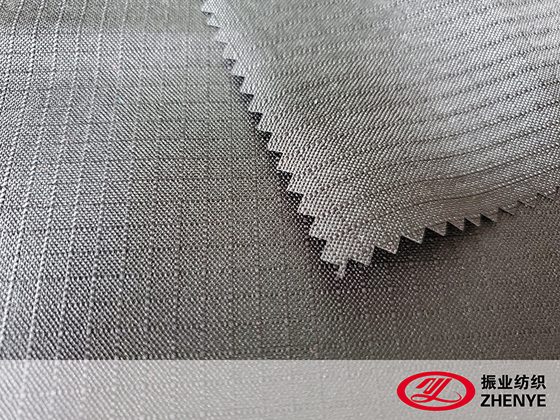

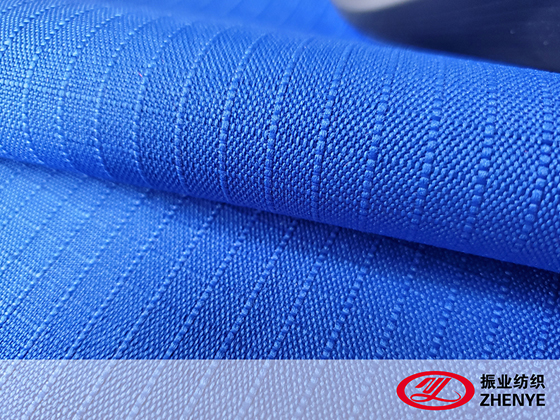
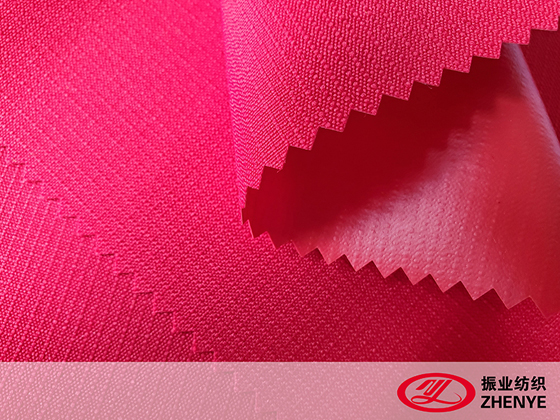
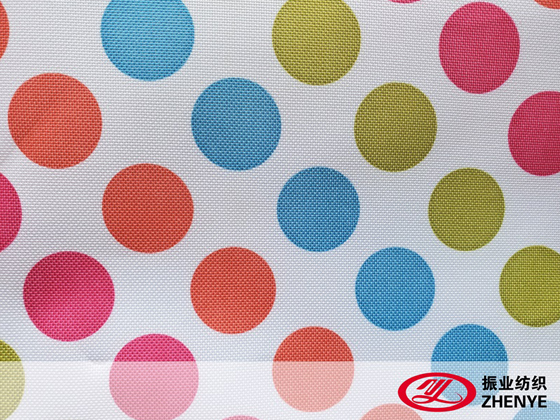
.jpg "300D Oxford Fabric PU")
-1.jpg "300D Oxford Fabric")
.jpg "600D Oxford Fabric PU (Cross Weave)")
.jpg "600D Oxford Fabric PU (Plain weave)")
.jpg "600D Oxford Fabric PVC Coating (plain)")
.jpg "600D Oxford Fabric PVC Coating")
.jpg "600D Double Tone Fabric PVC")